
A new dual-cab is something pretty much guaranteed to get Aussie car buyers excited. And when it’s a new Toyota HiLux dual-cab, well, the stakes are pretty high.
Fact is, it’s more or less impossible to over-estimate the importance of the HiLux to Toyota Australia. Or Australians generally. The celebrated dual-cab four-wheel-drive (yes, and its single-cab, extra-cab and two-wheel-drive siblings) are a major part of Toyota’s ability to be the country’s number one car brand for the 23rd consecutive year. In the process, the HiLux itself has been the nation’s favourite four-wheeled purchase for seven of the last nine years. More than 1.4 million of the blighters have been sold here since the first-gen version of 1968.
Globally, Australia is the fifth largest consumer of HiLuxes and, of the 235,000 cars and light commercials Toyota plans on selling this year (according to the numbers thus far), about 53,000 of those will be HiLuxes. So, yeah, pretty important. Throw in the fact that the exterior styling update was largely the work of Toyota’s Melbourne HQ – a big deal for a global car selling in around 180 countries – and you can see why there might be a certain amount of pride on show.
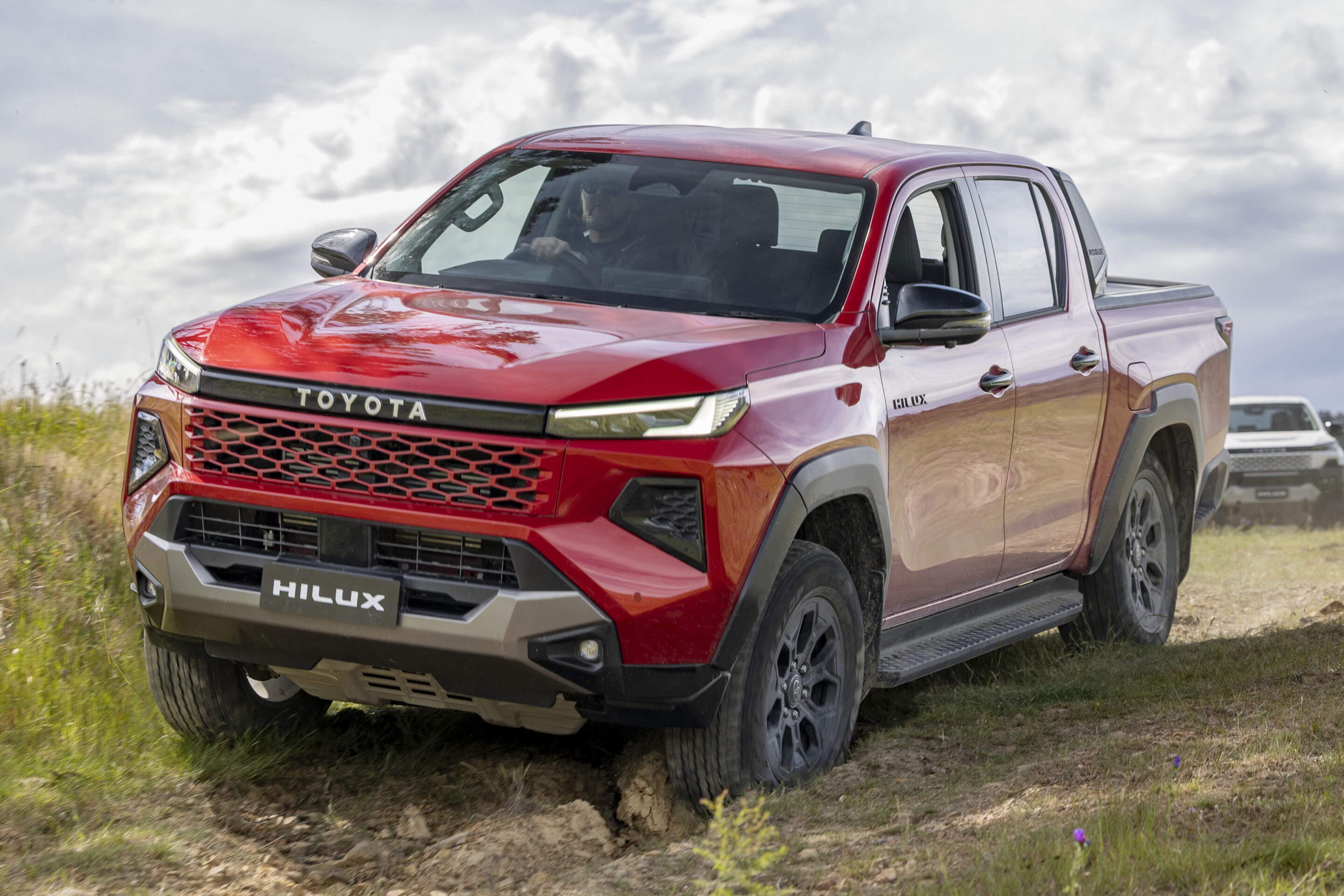
While a new model of anything often throws up more questions than answers, the existential meat-and-veg of the new HiLux isn’t really perplexing at all. And that’s because it’s really not that different. More puzzling, as it happens, is Toyota’s decision to call it an all-new (the ninth) HiLux generation. And that’s because there’s an awful lot of the eighth-gen HiLux involved here.
The carry-over bits are numerous, and it’s quicker to list the bits that are actually, genuinely new. They include the front sheet metal, the tub and the interior. Which means, of course, that the central body structure, all the mechanical hard-points, glass, most of the suspension and all of the driveline are carried over from the old model.
For all that, Toyota Australia’s senior product planning specialist, Rod Lyons, maintains that the new ’Lux represents “far more than a new skin”. He points to modifications such as thicker steel in the chassis, reinforced side rails, beefier front suspension towers, stronger cabin-mount brackets and extra spot welds (36 of ’em). The engine mounts that were rubber are now hydraulic.
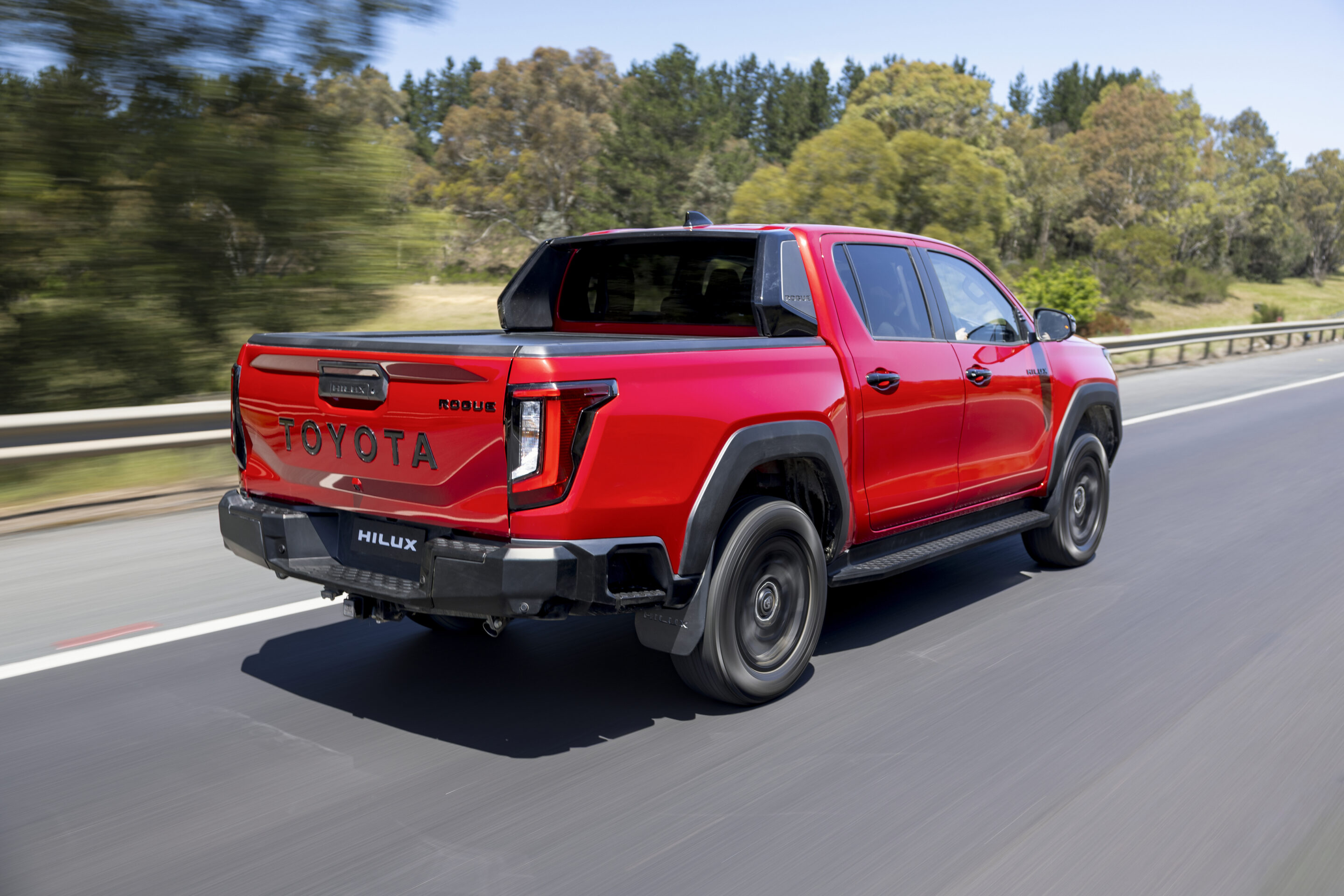
Front suspension is also tweaked with a new stub axle, a thicker roll-bar, retuned dampers, re-rated coil springs and new dampers and spring rates for the live-axle rear end. And there are now two suspension tunes; one for the blue-collar models (Workmate and SR) and a slightly softer set-up for the more expensive variants. The difference is all down to payload and buyer expectations.
But the suspension changes have also wrought an increase in Gross Combination Mass, now up to 6300kg for 4X4 models, representing a 450kg increase.
Put simply this means you can hitch up a big caravan and put people and their luggage in the dual-cab, towing it without going to jail.
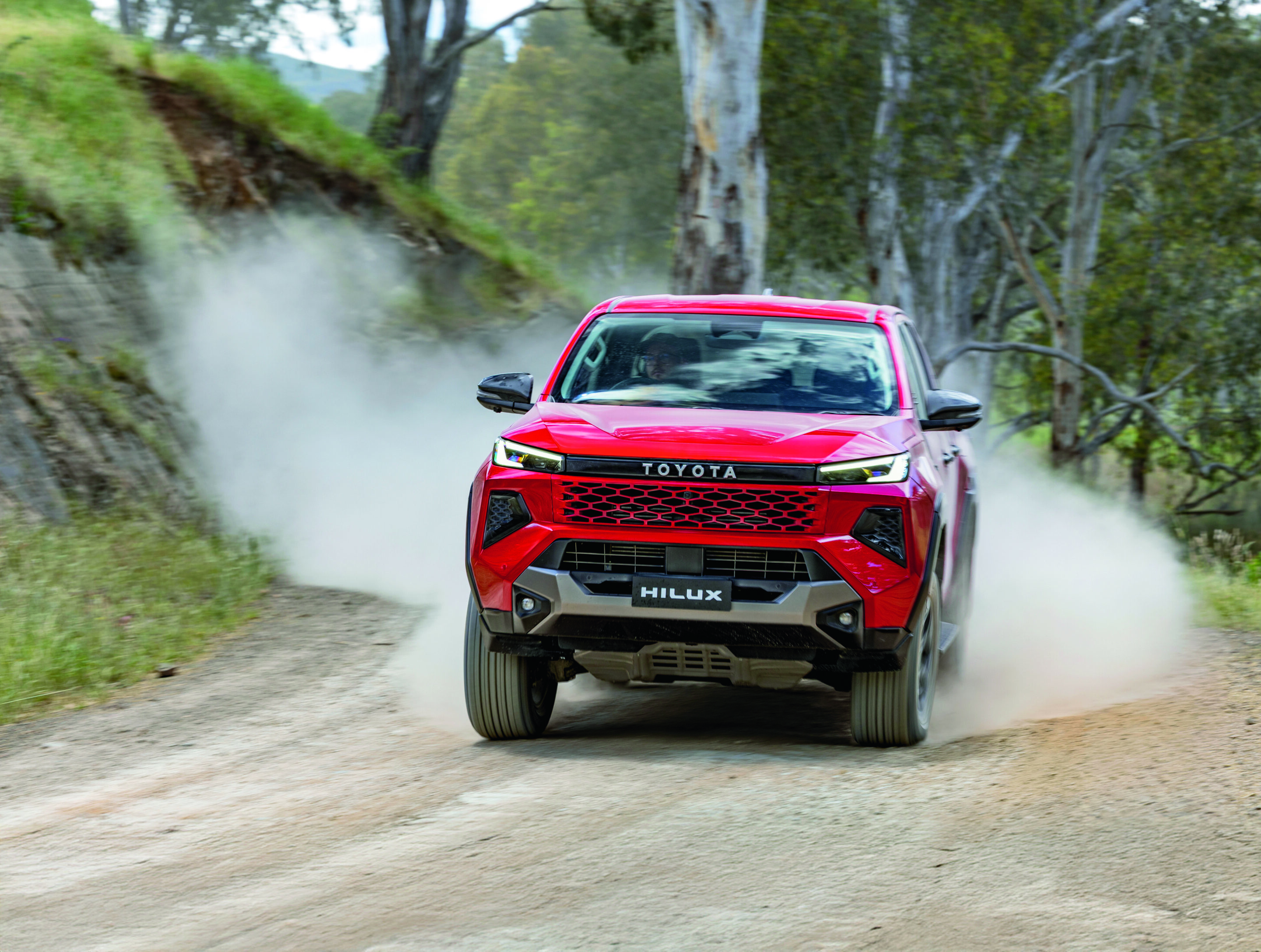
By far the biggest mechanical change has been the switch from hydraulic steering assistance to electric power steering. The actuator mounts directly on the rack and is claimed to reduce kickback and effort, and improve fuel efficiency.
All dual-cab automatics with the exception of the Workmate now feature the 48-volt mild-hybrid system as standard, as do the dual-cab-chassis versions of the SR and SR5 (the most popular forms of dual-cab in these trim levels).
Interestingly, Toyota has kept the manual-transmission option, but ditched the petrol engine. Which kind of explains why the prices of the base models appear to have leapt into the stratosphere, when, really, it’s just that there’s no petrol option any more.
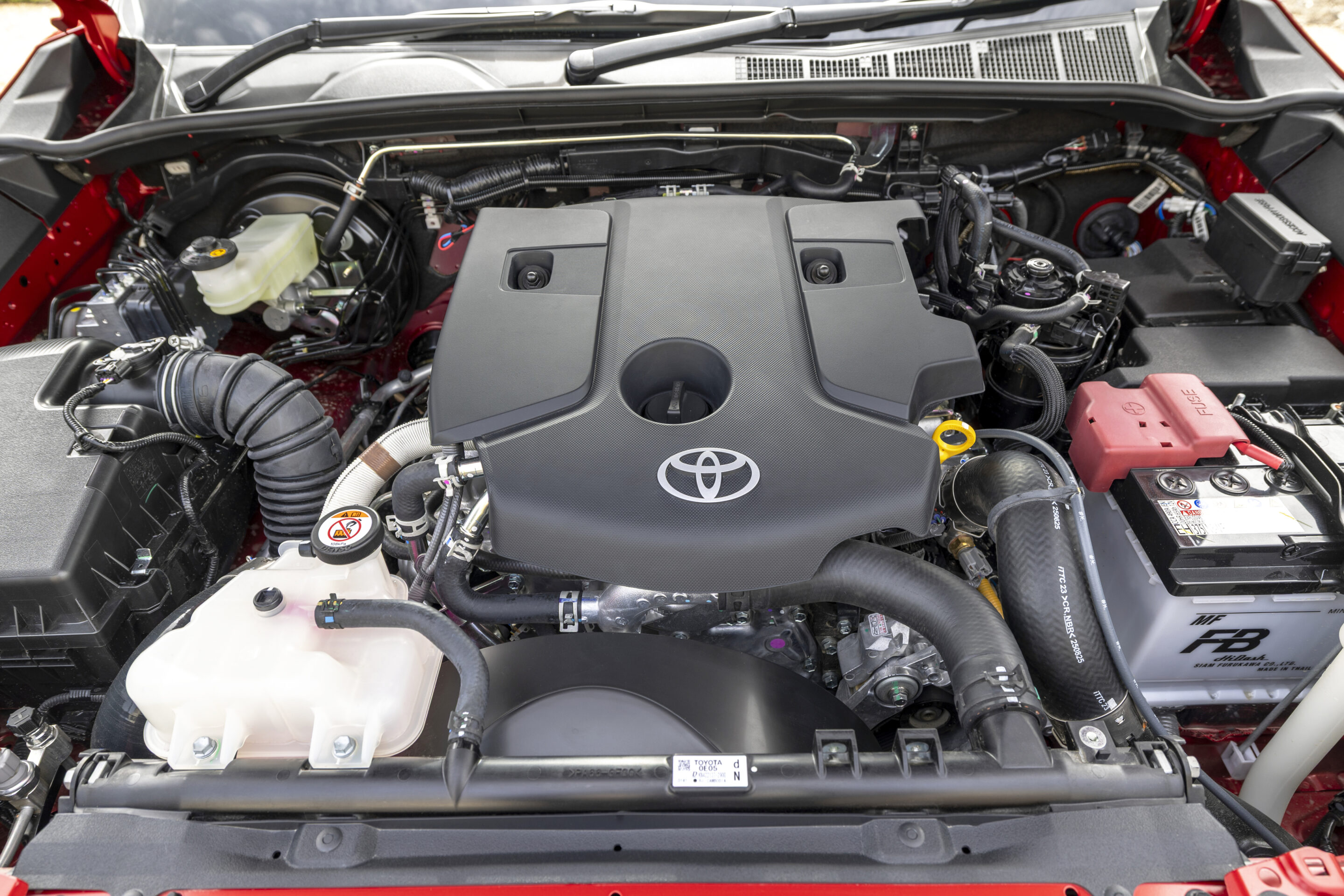
That leaves us with just the one engine, the familiar 2.8-litre turbo-diesel, cranking out an equally familiar 150kW and 500Nm. The exception is any variant with the six-speed manual gearbox which maintains the peak power number but limits torque to 420Nm in the interests of keeping the gearbox internals, er, internal.
For the record, the HiLux line-up looks like this: It kicks off with The Workmate 4X2 and 4X4 which now get the turbo-diesel engine standard and LED lights, along with upgraded safety tech including driver aids and eight airbags.
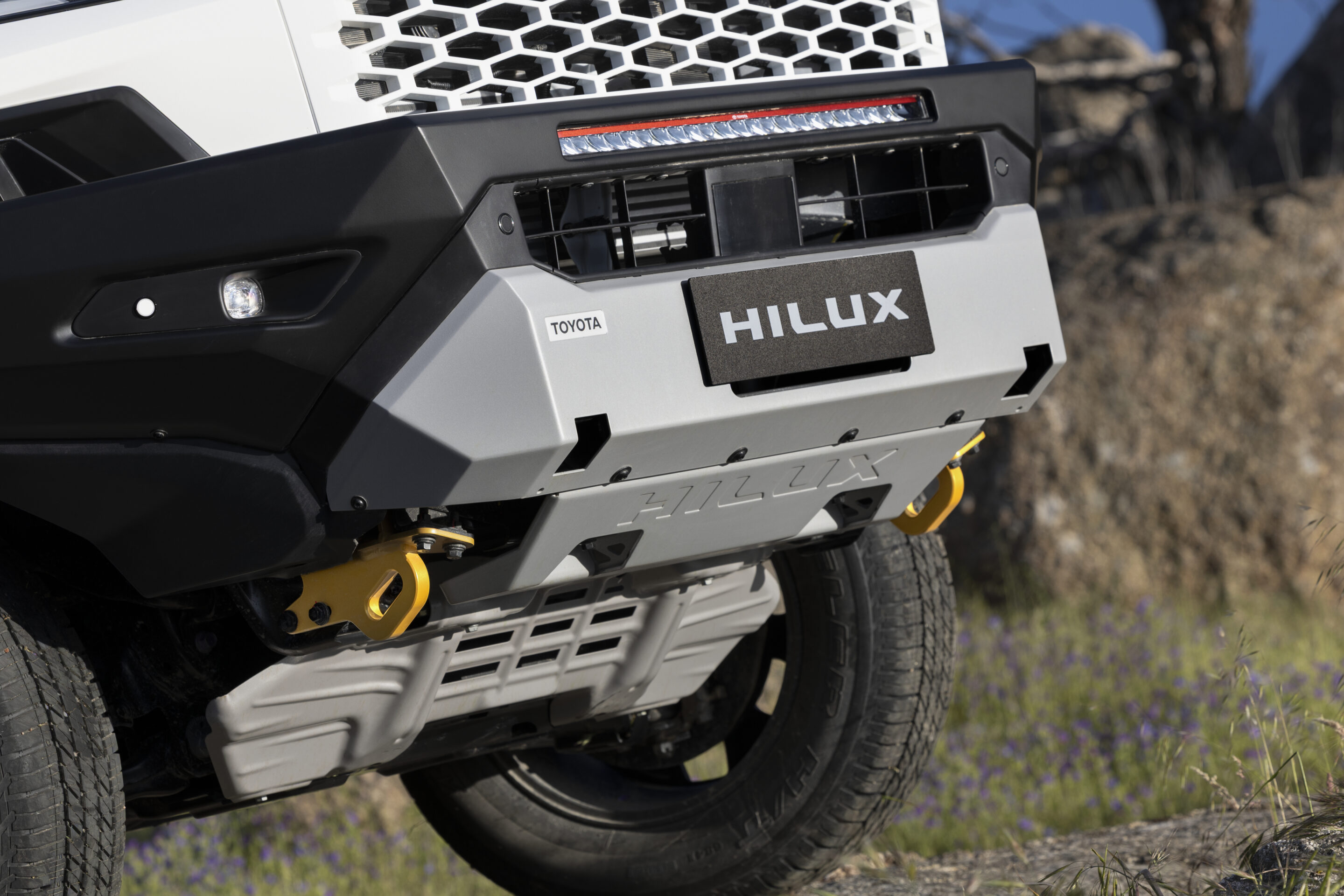
Things then move up to the SR 4X4 which now gets selectable terrain modes and then to the SR5 4X4 which has the slightly softer suspension tune, new rear disc brakes and the larger 12.3-inch display. The Rogue 4X4 is next with its matte-black wheels, leather accented trim and the Rugged 4X4 tops things off with the hoopless bull-bar (so, a heavy-duty bumper, then) bash plates and rated recovery points.
Prices start at $33,990 for the Workmate 4X2 single-cab while the first of the 4X4 models is the same Workmate single-cab at $45,990. Of most interest to Wheels readers will be the SR dual-cab 4X4 automatic at $57,990, the SR5 dual-cab 4X4 auto at $64,990 and the Rogue and Rugged dual-cab auto 4X4 twins at $71,990 apiece.
Given the mellow modifications, you might imagine the driving experience would be pretty familiar. And you’d be dead right. There’s not much to choose between the two suspension tunes and the HiLux follows dual-cab tradition by offering a reasonably firm ride when unladen. Frankly, there’s no way around this, and the sort of springs required to keep a tonne of payload off the deck, will never translate to a cushy ride. End of.
The worst of it is when large bumps arrive too close to each other and the suspension, already semi-compressed from Bump A, is punched farther into discomfort territory by Bump B.
But the switch to electric power steering seems to be a move in the right direction. There’s improved
on-centre feel and zero kick-back from the rack even over pattery stuff at speed.
The engine is exactly as the 2.8-litre turbo-diesel has ever been. Good but not class-leading. If you can pick the point at which the mild-hybrid motor makes itself felt, you’re a better judge than I am, and the engine has pretty much given its best by the time 3000rpm has appeared on the animated tacho.
It’s quiet enough, though, and while there’s some diesel clatter at idle, at highway speeds there’s but a faint hum that turns into a soft growl as you pour on the coals to go up a hill. Tall gearing means it’s never raising a sweat, although you do need to watch the speedo to avoid kilometre-creep.
The six-speed automatic gearbox is equally familiar, but I’m left wondering if it’s been recalibrated to be a bit more excitable. As it is now, there’s an argument to be made that it seems a fraction eager to drop a gear and equally keen to hold on to that lower ratio slightly beyond its usefulness.
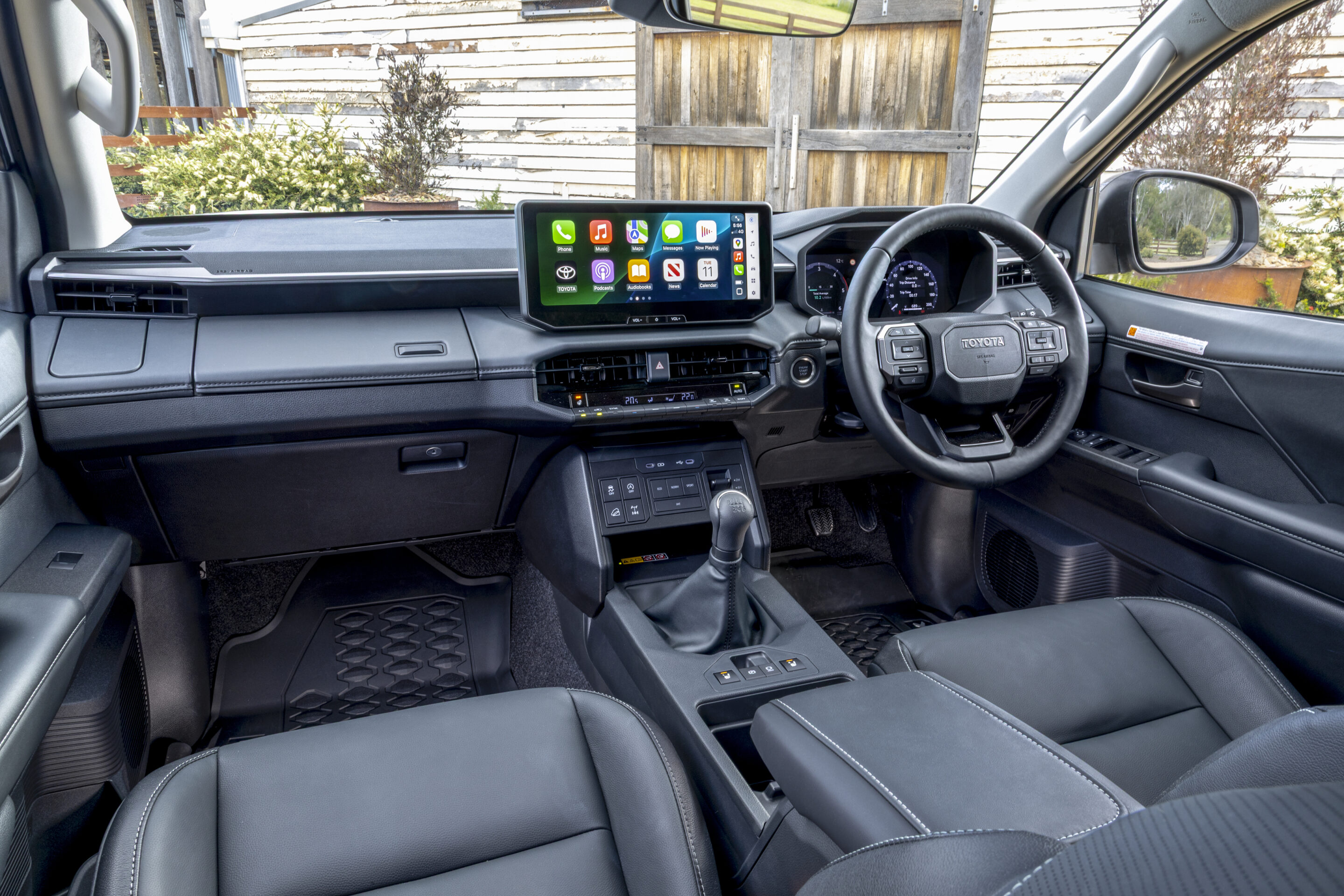
Inside, the interior is much better than before with some obvious Prado themes but without all the soft-touch surfaces. But while the button-driven info system in the steering wheel might make perfect sense to a Gen-Zer, I couldn’t always make it display the info I was after. True, there are some hard buttons for major functions and, thankfully, the paddle to engage four-wheel-drive and low-range has a positive feel and action and never missed its target once. The rotary-dial alternative in many of the competition doesn’t seem as sure-fire.
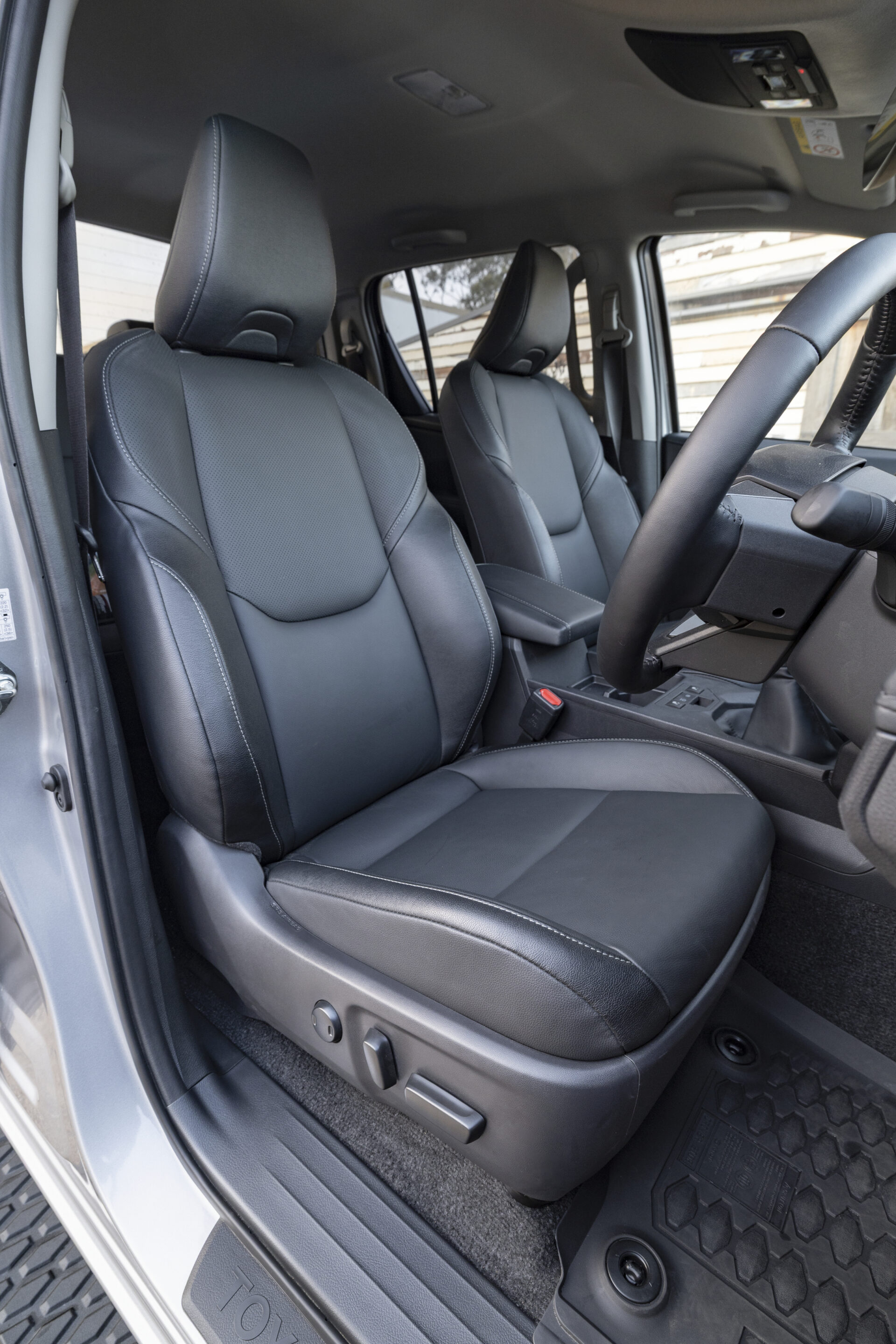
Less positive is the decision to give even the range-topping models electric adjustment on the driver’s seat only, leather seat trim that looks like vinyl, and a speed-limit warning light that flips to red-on-black and becomes unreadable the millisecond you’re one km/h over the limit. On the plus side, the type-pressure monitoring includes a reading for the often-neglected spare tyre, meaning you’ll know when it starts to go flat as well as being able to use it at a pinch and still have full monitoring. Nice.
The retention of the previous car’s cabin and hard points mean the interior is still a bit on the slim side compared with some other dual-cabs. The same goes for the rear seat space which remains tight in every direction and continues to feature a too-upright backrest.
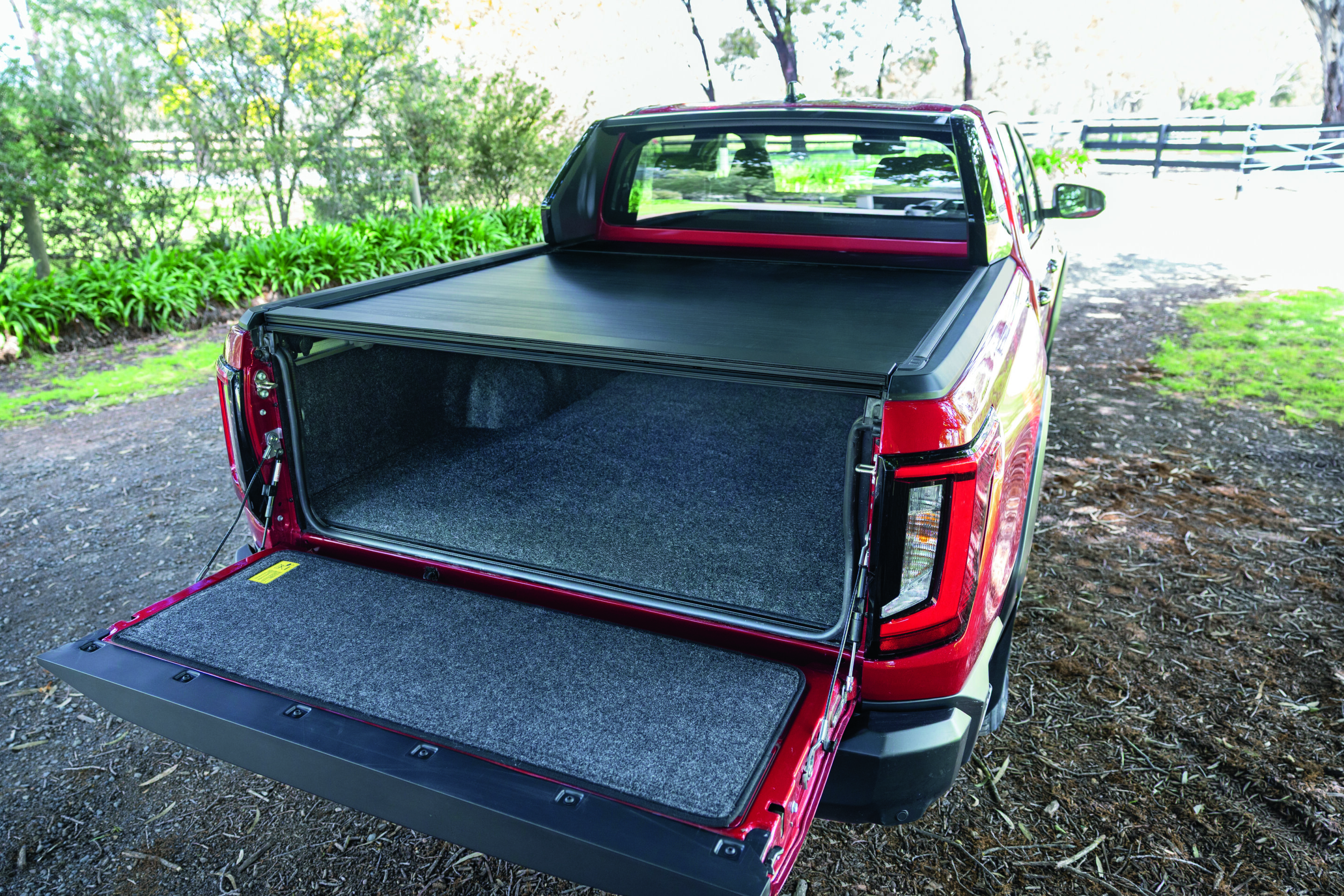
The tub, too, retains its basic dimensions and doesn’t have either a standard liner nor cover of any sort in the more basic models. The tie-down points are limited to four and they’re mounted too high up the tub sides to do their best work. And don’t get me started on the sports-bar…
Safety gets a leg up with new driver aids including autonomous emergency braking, pre-collision safety system, active cruise-control, rear cross-traffic alert, reversing camera, lane-departure alert, road sign assist, blind spot monitoring and lane-keeping assist. The latter seems a bit zealous to me but switching it off is a one-button job.
So, what’s missing? While paddle-shifters for the transmission might seem useless on a light-commercial, off-road they’re worth their weight in snatch-straps. Being able to hold a lower gear off-road for fidgety, delicate, light-footed work across rocks or gullies is a major bonus and paddles just make it easier. The other thing we’d like to see (and this goes for all dual-cabs) is an Auto 4X4 setting, allowing the vehicle to operate with an open centre differential and, therefore, use four-wheel-drive on bitumen. For towing on a wet road, there’s no tech you’d rather have at your disposal. Next time, huh Toyota?
You can see why Toyota has gone easy on the changes. The old show-tune ‘if it aint broke’ can be heard playing in the background of every kilometre you drive in the new HiLux. And fair enough; when the thing is slaying the opposition in the showroom aisles, why mess with such a successful product? Although I still reckon Toyota is taking the mickey calling it Gen 9. HiLux 8.5, would be a lot more accurate.
Specs
| Model | Toyota HiLux |
|---|---|
| Price | $57,990 (SR dual-cab auto); $64,990 (SR5 dual-cab auto); $71,990 (Rogue and Rugged dual-cab auto) |
| Peak power | 150kW @3400rpm |
| Peak torque | 500Nm @ 1600-2800rpm (automatic)/420Nm @ 1400-2800rpm (manual) |
| Transmission | 6-speed automatic/6-speed manual |
| 0-100km/h | Not given |
| Top speed | 176km/h (claimed) |
| Fuel consumption | 7.4-7.6 litres per 100km |
| Fuel tank | 80 litres |
| Dimensions (l/w/h/wb) | 5320mmmm/1885mm/1880mm/3085mm |
| Kerb weight | 2000-2342kg |
| Warranty | 5 years/unlimited kilometres |
| On sale | Now |
Lexus has unveiled a new halo model for its all-electric RZ line-up, and it’s not holding back. The new RZ 600e F Sport Performance sits above the existing 550e F Sport, bringing sharper styling, more power, upgraded brakes and the latest evolution of Lexus’s steer-by-wire technology. It’s the most extreme RZ yet – even if, frustratingly, it’s unlikely to reach Australian showrooms.
Based on the RZ 550e F Sport, the 600e F Sport Performance is built in Japan and priced from 12,165,000 yen (approx. A$125,000) before on-road costs. While UK references remain relevant given Lexus’s European focus for this model, there’s currently no indication the new flagship will be offered beyond select markets. For context, the Lexus RZ range in the UK starts at the equivalent of around A$110,000, while Australian pricing for the RZ currently undercuts that.
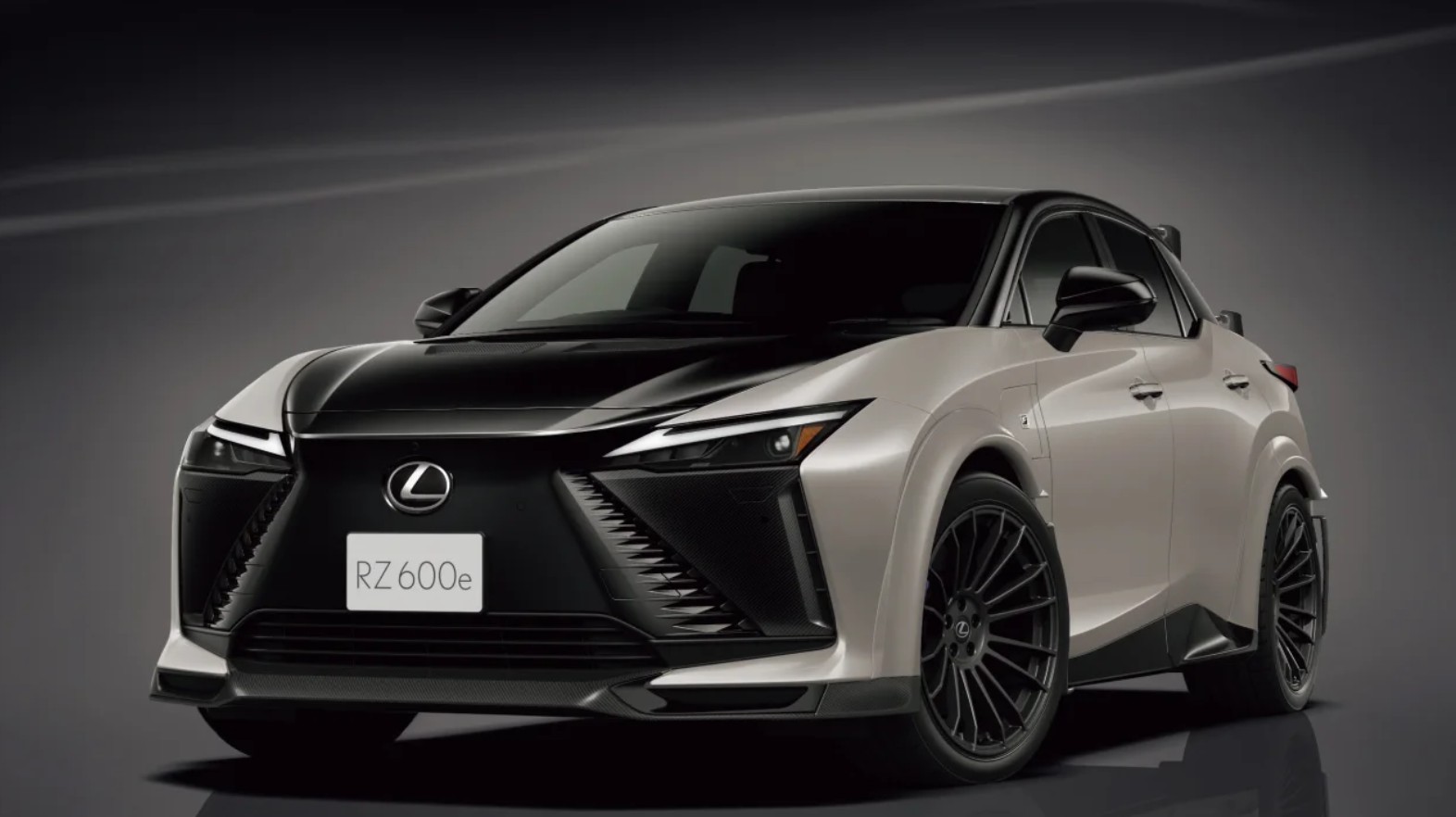
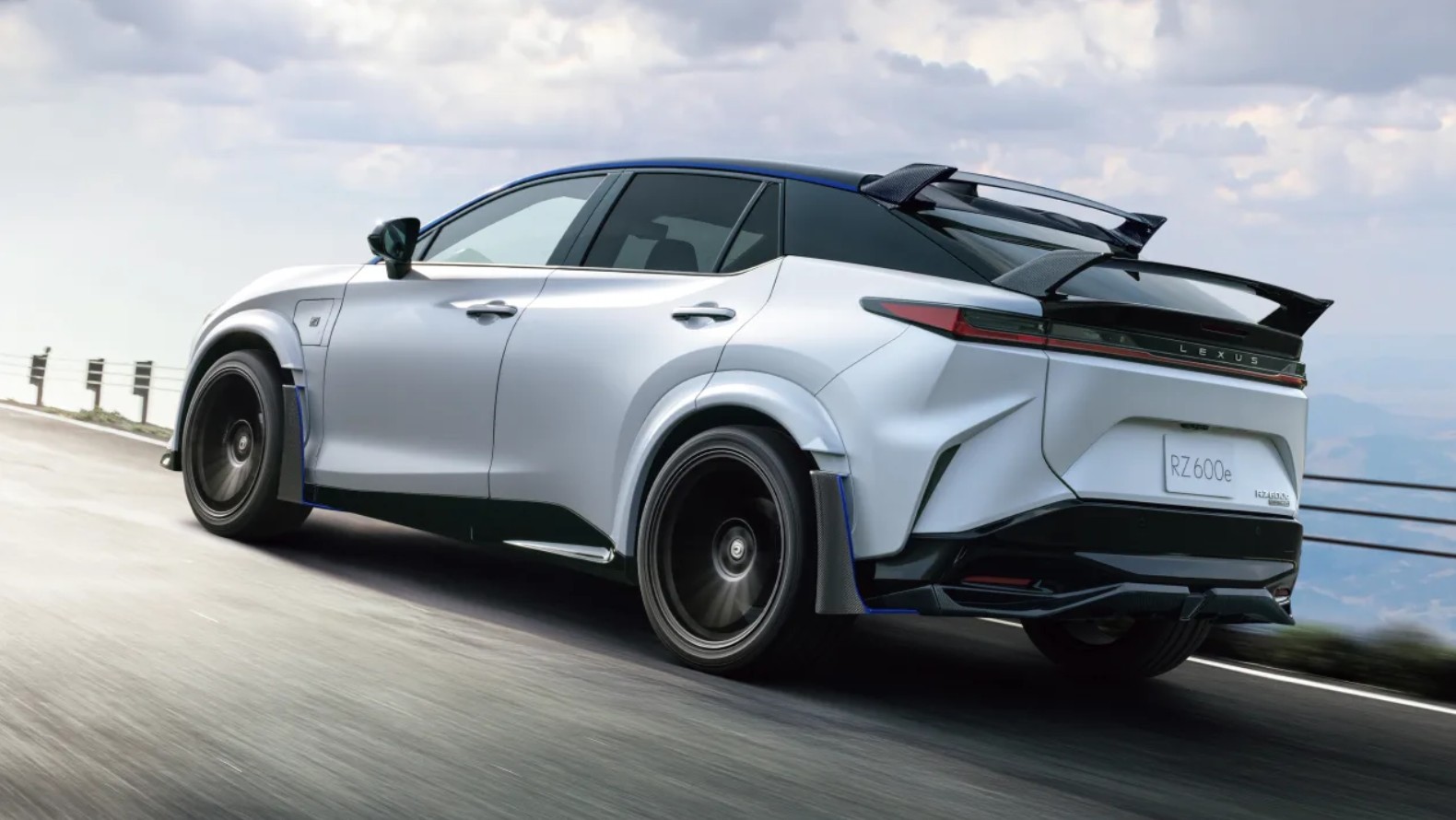
Visually, the RZ was already one of the more distinctive electric SUVs on sale, but the 600e F Sport Performance takes things much further. A comprehensive new bodykit has been designed not just for visual drama, but also for aerodynamic efficiency and added downforce. Carbon-fibre elements dominate, including a new front splitter, flared wheelarches, a unique bonnet, twin spoilers (roof-mounted and on the tailgate), a rear diffuser and additional vanes to manage airflow around the wheels.
Exclusive 21-inch aluminium wheels fill the arches and sit over a significantly uprated braking package. Larger discs are paired with six-piston front calipers finished in Lexus’s signature blue. That colour theme can also be applied to the mirror caps, front bumper accents and window trim, while buyers can choose between black-and-white or black-and-grey two-tone exterior finishes. A 20mm drop in ride height completes the look and, according to Lexus, contributes to greater stability and driver confidence.
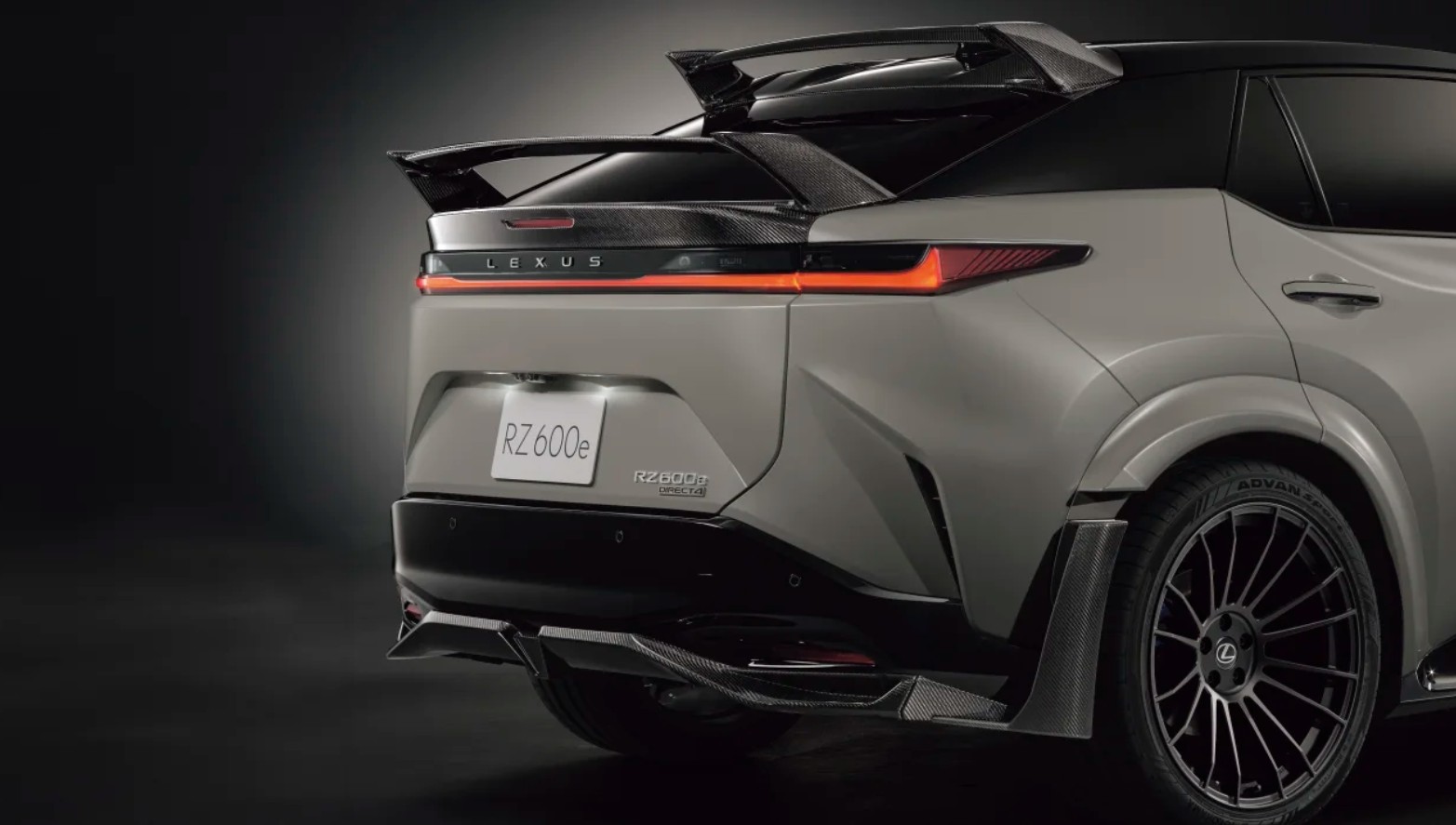
Under the skin, performance has been nudged up from the 550e’s already-healthy outputs. Total system power rises to approximately 313kW (up from around 300kW), while torque figures remain undisclosed. Despite the increase, acceleration is unchanged, with the 0–100km/h sprint still dispatched in a brisk 4.4 seconds. The dual-motor, all-wheel-drive layout carries over, as does the 77kWh battery pack.
Official WLTP range figures haven’t been released, but with the same battery as the 550e, a driving range of around 450 kilometres is expected – roughly in line with the existing model’s claims.
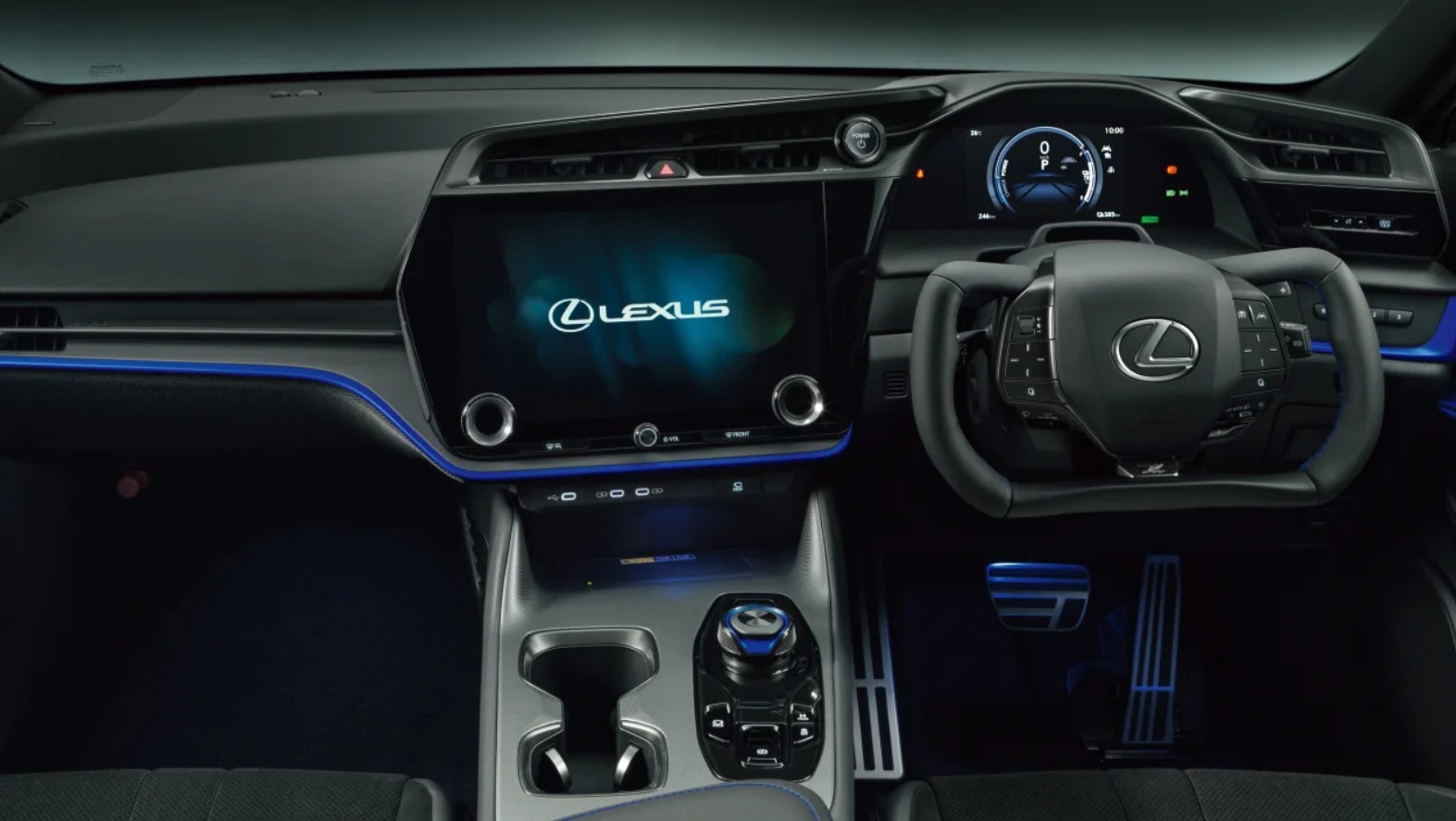
Inside, the headline feature is Lexus’s yoke-style steering wheel, paired with the latest version of its steer-by-wire system. The brand says refinements to the software and hardware deliver a more natural, engaging feel across all driving scenarios, addressing early criticisms of artificiality.
Unlike the limited-run RZ 450e F Sport Performance released in 2024, production of the 600e F Sport Performance won’t be capped. That makes it a true range-topper rather than a collector’s special.
Whether or not it ever reaches Australia, the Lexus RZ 600e F Sport Performance sends a clear message: Lexus is no longer content to simply dabble in electric performance – it wants to lead with style, technology and genuine intent.
The GMC Yukon Denali launched in Australia earlier in 2025, and we have to admit that we were surprised that it was chosen for our market. GMSV (General Motors Special Vehicles – or, GM’s Australian division) had already launched Cadillac locally with its Lyriq EV, so why launch another new brand? Especially when GMSV left out arguably the most well known GM vehicle of this century in the USA: the Cadillac Escalade.
The Escalade revitalised Cadillac upon its launch in 1998 by becoming a cultural phenomenon that captured the emerging luxury SUV market, restored the brand’s “cool” factor through celebrity endorsements, and generated massive profits for the brand. Since its launch, the Escalade has been the Cadillac brand, and has become the modern American luxury car: big, imposing, powerful and luxurious.
The Escalade wasn’t the first luxury American SUV to launch with “bling” factor (that was the Lincoln Navigator) but it was and still is the most successful. Over one million Escalades have been built, which is especially impressive considering that it’s largely only sold in North America. Even as the Cadillac brand shifts more into making EVs, the Escalade is still relevant: it makes the all-electric Escalade IQ.
Based on the more humble Chevrolet Tahoe full-sized SUV, the Escalade is currently in its fifth generation, which arrived in US showrooms in 2020. Because the US-market CT6 luxury sedan had ceased production, the Escalade finally became the flagship of the Cadillac brand.
Under the bonnet of the current Escalade is a 313kW 6.2-litre petrol V8 engine mated to a 10-speed automatic transmission, though there’s also a supercharged version in the Escalade-V which makes a huge 508kW of power and 885Nm of torque, allowing it to hit 60mph (97km/h) in just 4.4 seconds. A 3.0-litre Duramax inline six turbo-diesel engine was also available, but shelved in 2024.
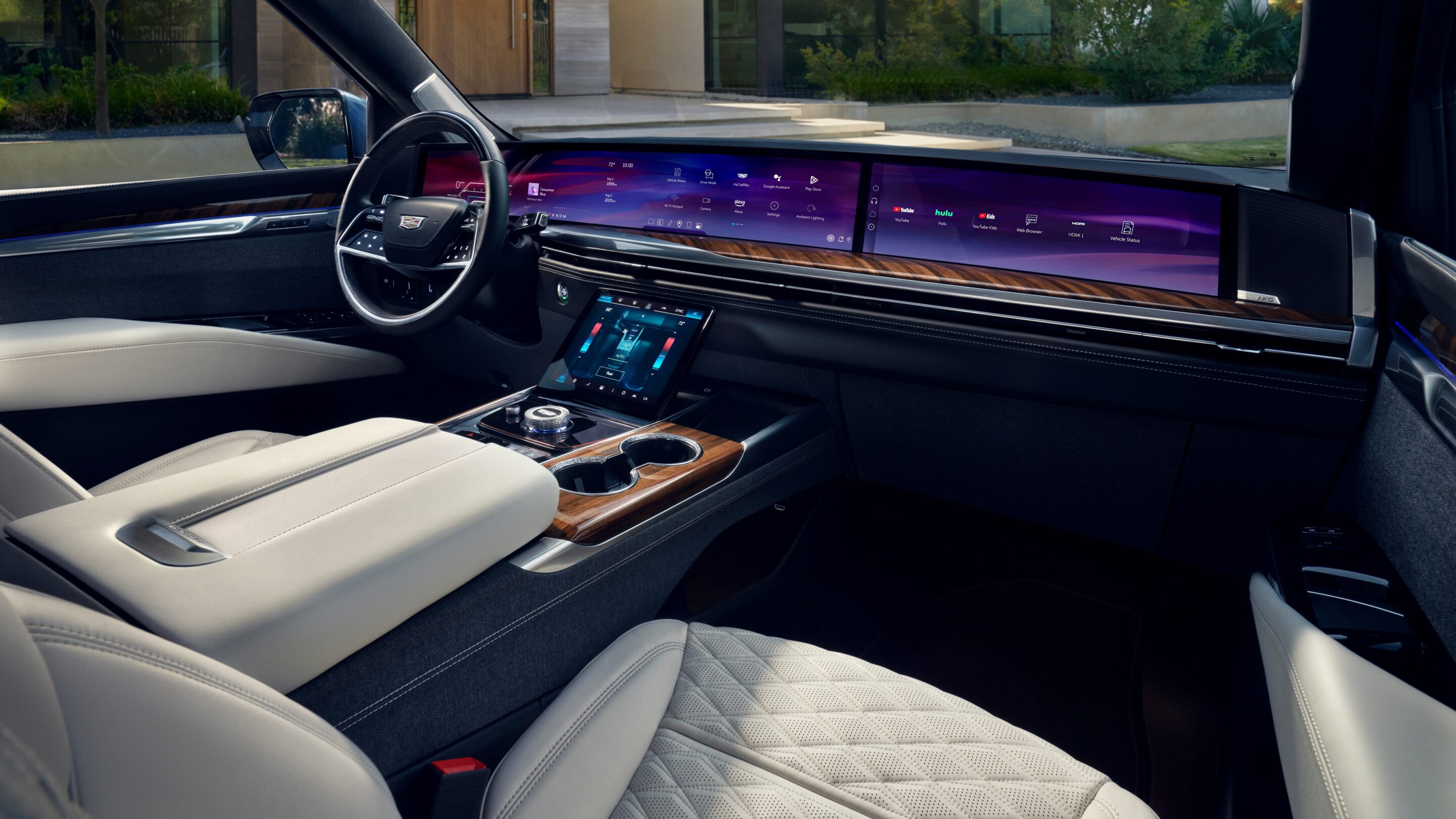
While the exterior looks as imposing as ever, the interior is far more luxurious for this generation and includes features such as a huge 55-inch display that covers the entire length of the dashboard, a middle seat entertainment system, an optional ‘executive’ second row with a huge centre console and touchscreen, a 38-speaker AKG sound system and GM’s ‘Super Cruise’ autonomous driving system.
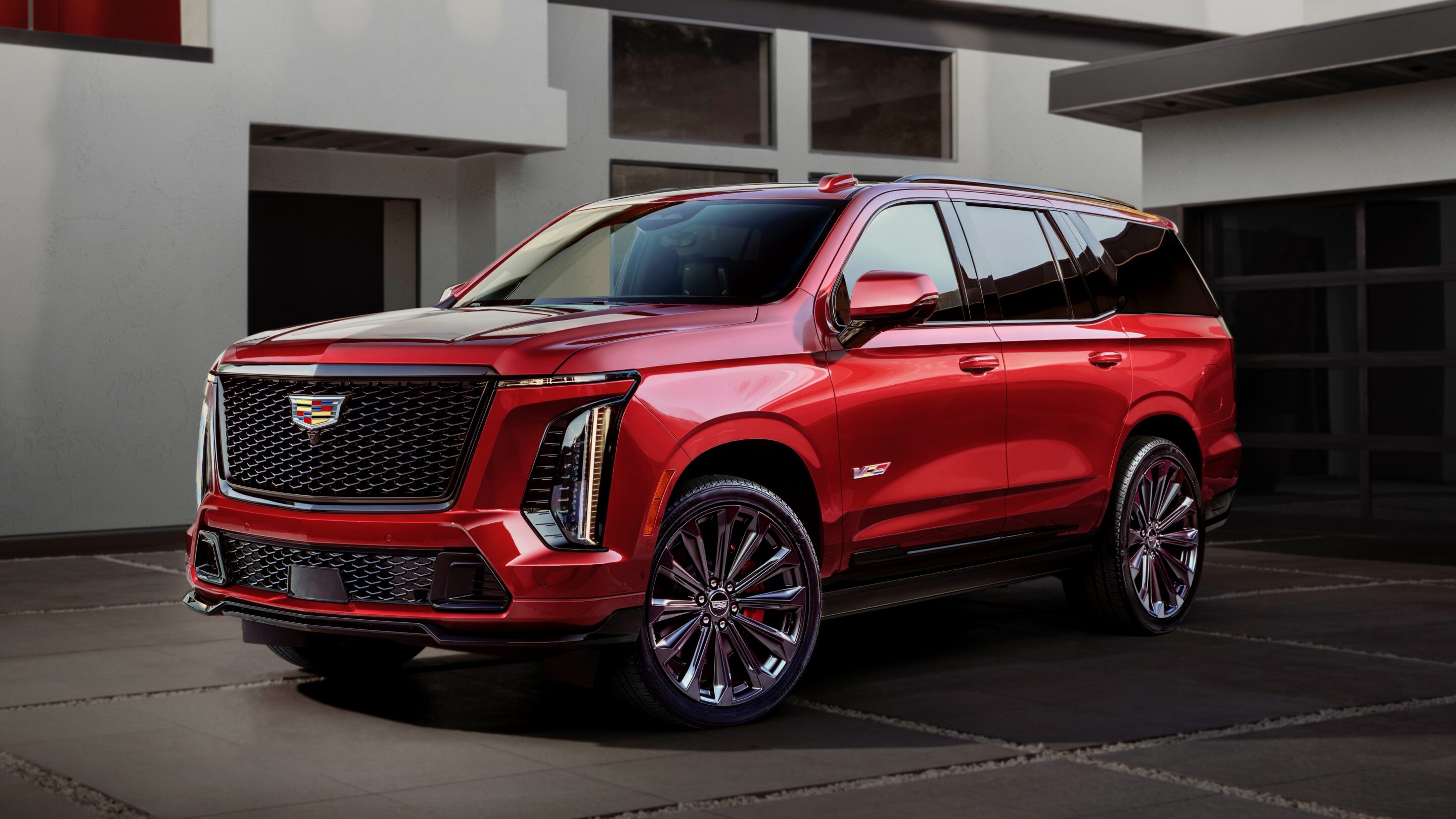
Pricing for the Escalade in the USA starts at US$94,000 (around A$142,000) for the entry-level 1SA model, with the top-spec Sport Luxury in extended length ESV form going for US$129,000 (A$195,000). The hi-po Escalade-V is even more expensive, starting at US$176,000 (A$257,000).
That’s obviously a lot of cash, but the thing is, the Yukon Denali is already A$175,000 plus on-road costs (not far off $200k including on-road costs), so an Escalade converted to right-hand drive for the Australian market wouldn’t cost too much more than the Yukon.
Plus, the Escalade has a far more recognisable name, and is also far more luxurious on the inside than the Denali while offering the same level of space. The Escalade would certainly give the Cadillac brand the sales shot in the arm it needs in Australia, and we wish it were sold here.
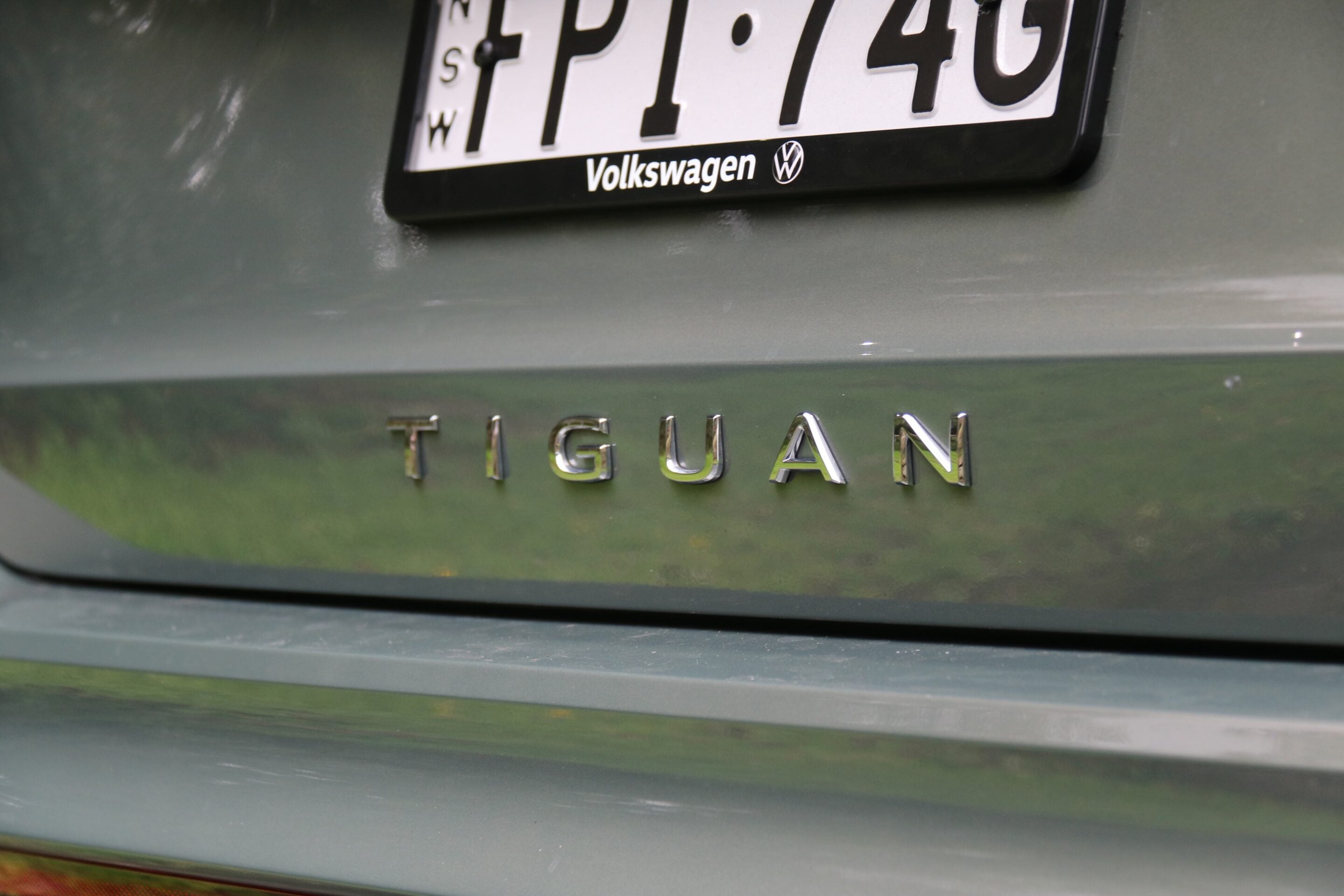
Positioned just under the premium space in the medium SUV segment, the Tiguan has been a strong performer for Volkswagen internationally, demonstrated by the popularity of the previous top-spec R-Line variants in Australia.
Now generation three has launched and there are a lot of changes: the design is softer, the model line-up has changed and there’s even more standard features – is it all enough to consolidate the Tiguan’s hard-won reputation?
Pricing for the third-gen Tiguan kicks off at $44,990 plus on-road costs for the entry-level 110TSI Life, while we tested the second-from-base 110TSI Elegance, priced at $51,450 +ORC. Above that sits the 150TSI Elegance ($61,590), 150TSI R-Line ($56,850) and top-spec (for now) 195TSI R-Line ($71,550).
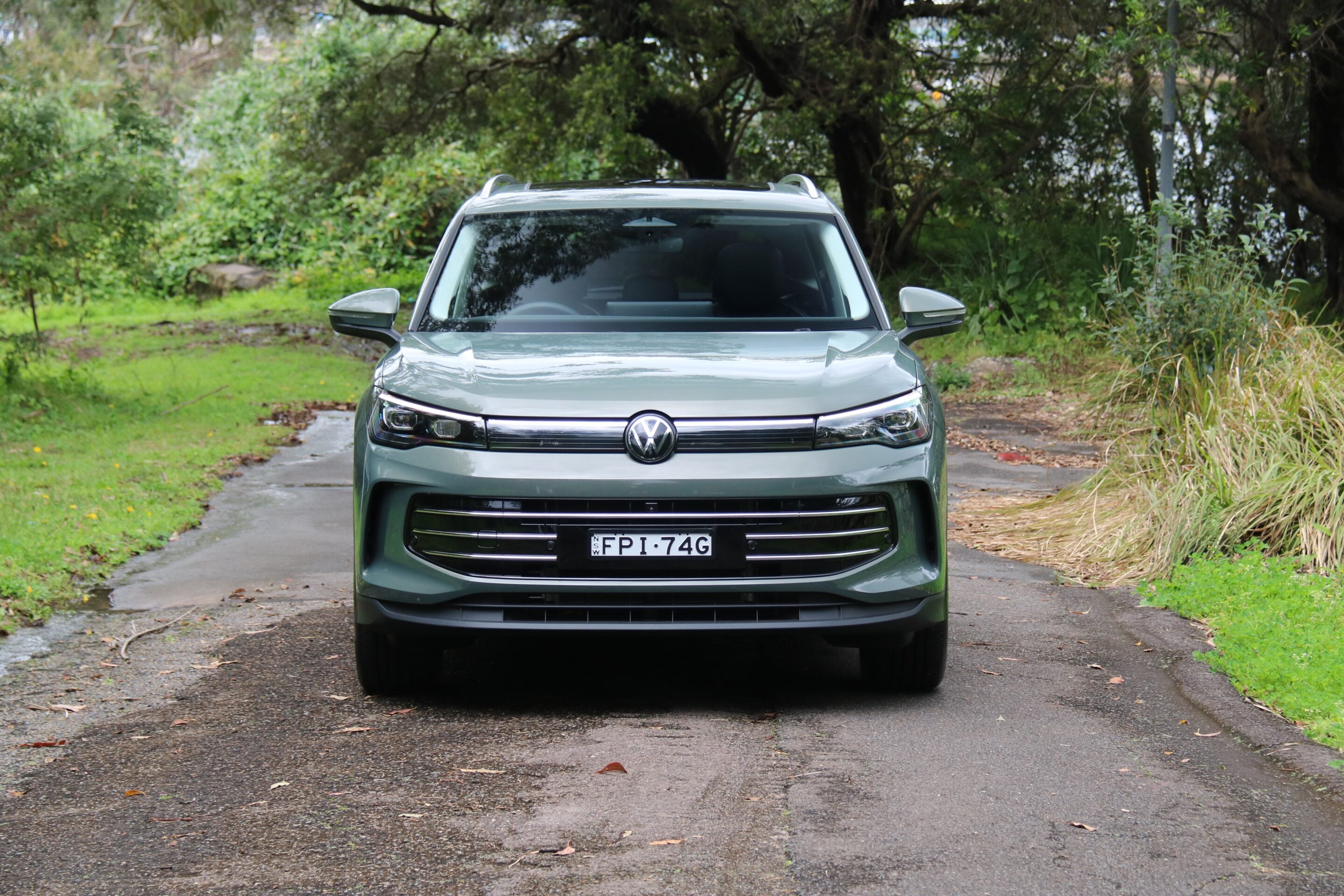
The 110TSI Elegance spec we drove undoubtedly offers the best value in the range, with standard equipment including 18-inch alloy wheels, an electric tailgate, tri-zone climate control, rear air vents, ‘Varenna’ leather upholstery, heated and ventilated 12-way electric front seats with 10-point massaging, a heated leather steering wheel, a 12.9-inch touchscreen, 10.25-inch digital driver’s display, wireless smartphone mirroring, dual wireless phone chargers and selectable ambient lighting.
The Tiguan received a five-star ANCAP rating in 2024 and key safety features include nine airbags, AEB with pedestrian and cyclist detection, adaptive cruise with stop-and-go functionality, traffic jam assist, adaptive lane guidance, speed sign recognition, blind-spot monitoring, front and rear cross-traffic alert with braking, driver attention monitoring and a 360-degree camera.
Options for the Tiguan 110TSI Elegance include a $2100 panoramic sunroof, $2700 Sound and Vision Package with 700W 10-speaker Harman Kardon audio, head-up display and a larger 15-inch touchscreen, and $800-$1100 premium paint. Our test car had all for a $57,350 +ORC price.
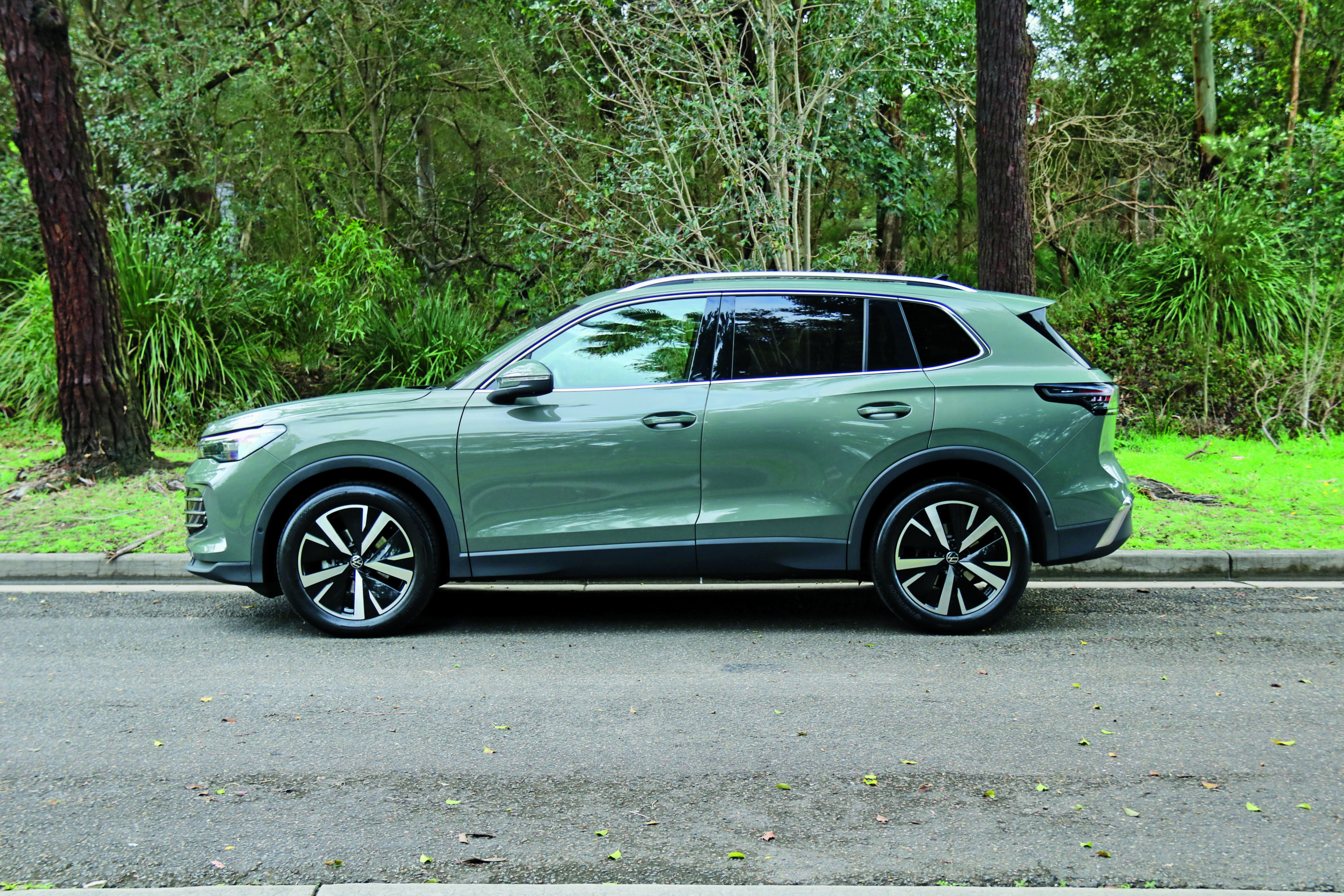
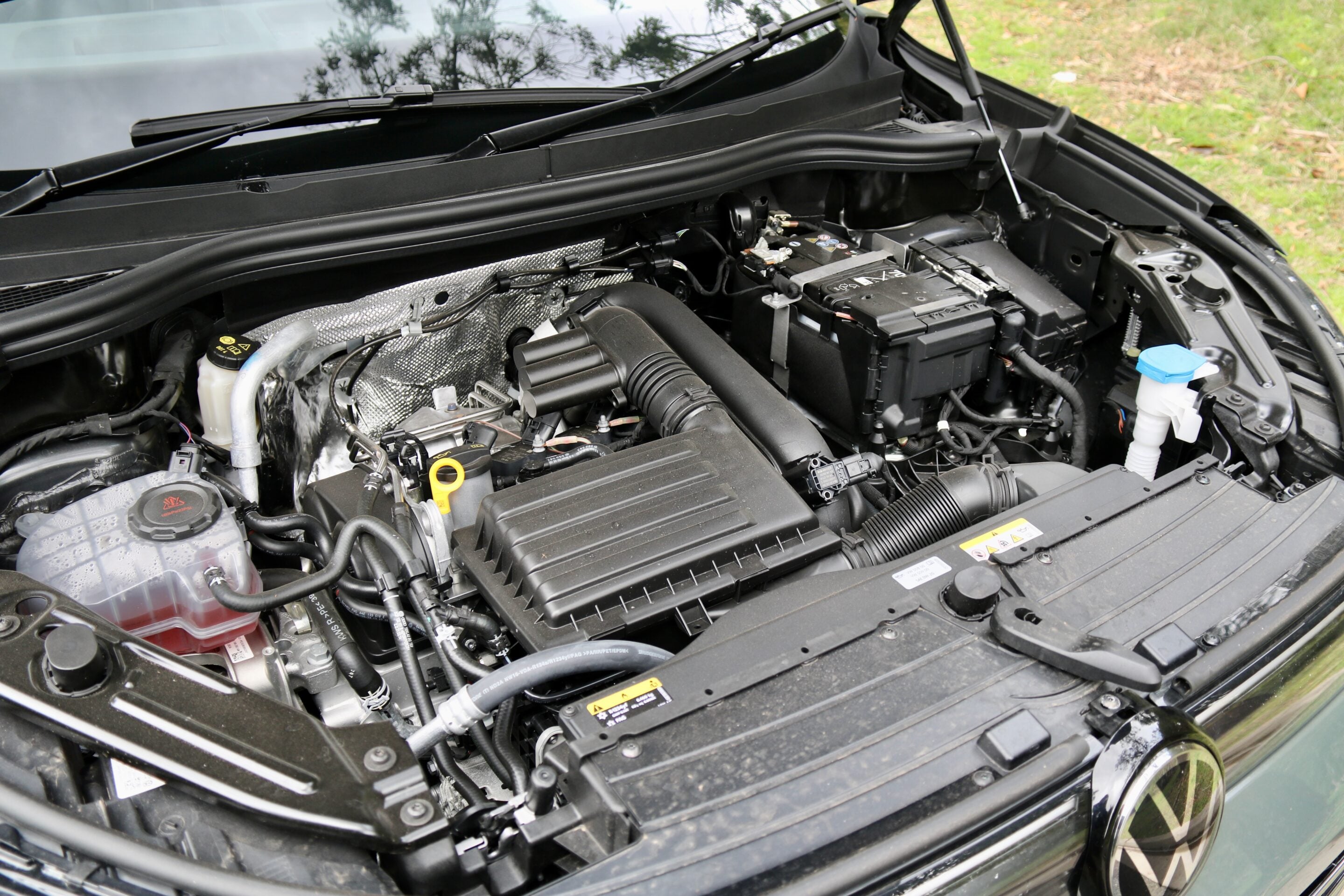
This Elegance is fitted with the entry engine in the Tiguan line-up, which is a 1.4-litre turbocharged four-cylinder unit making 110kW of power and 250Nm. It’s largely the same engine used in various VW Group products for the past 15 years but updated to Euro 6 emissions standards. It’s refined and more than quick enough, while the seven-speed dual-clutch transmission was well behaved too.
There are curiosities, however, like the fuel consumption. It’s actually rated at the same 7.6L/100km as the 150kW/320Nm 2.0-litre Tiguan 150TSI (which weighs more because of its all-wheel drive), and its 173g/km CO2 figure is also identical. In our testing, we achieved 9.2L/100km – not bad, but it could be better.
Given their popularity locally, it’s unclear why the hybrid Tiguan is not yet available in Australia, though a PHEV with over 100km of EV range is due in 2026. Even the mild-hybrid 1.5-litre ‘eTSI’ engine in Europe with the same outputs as the 1.4L is far cleaner at 5.9L/100km and 136g/km. Hopefully it makes its way to Australia soon.
There are fewer issues with the Tiguan’s dynamic package. It’s always been one of the best mid-size SUVs to drive, and generation three is no different, feeling similar to the larger Golf with which it shares its platform. Of course, the 195TSI R-Line is likely to be the driving superstar of the range, but even the 110TSI Elegance is a good handler with quick steering and tight body control.
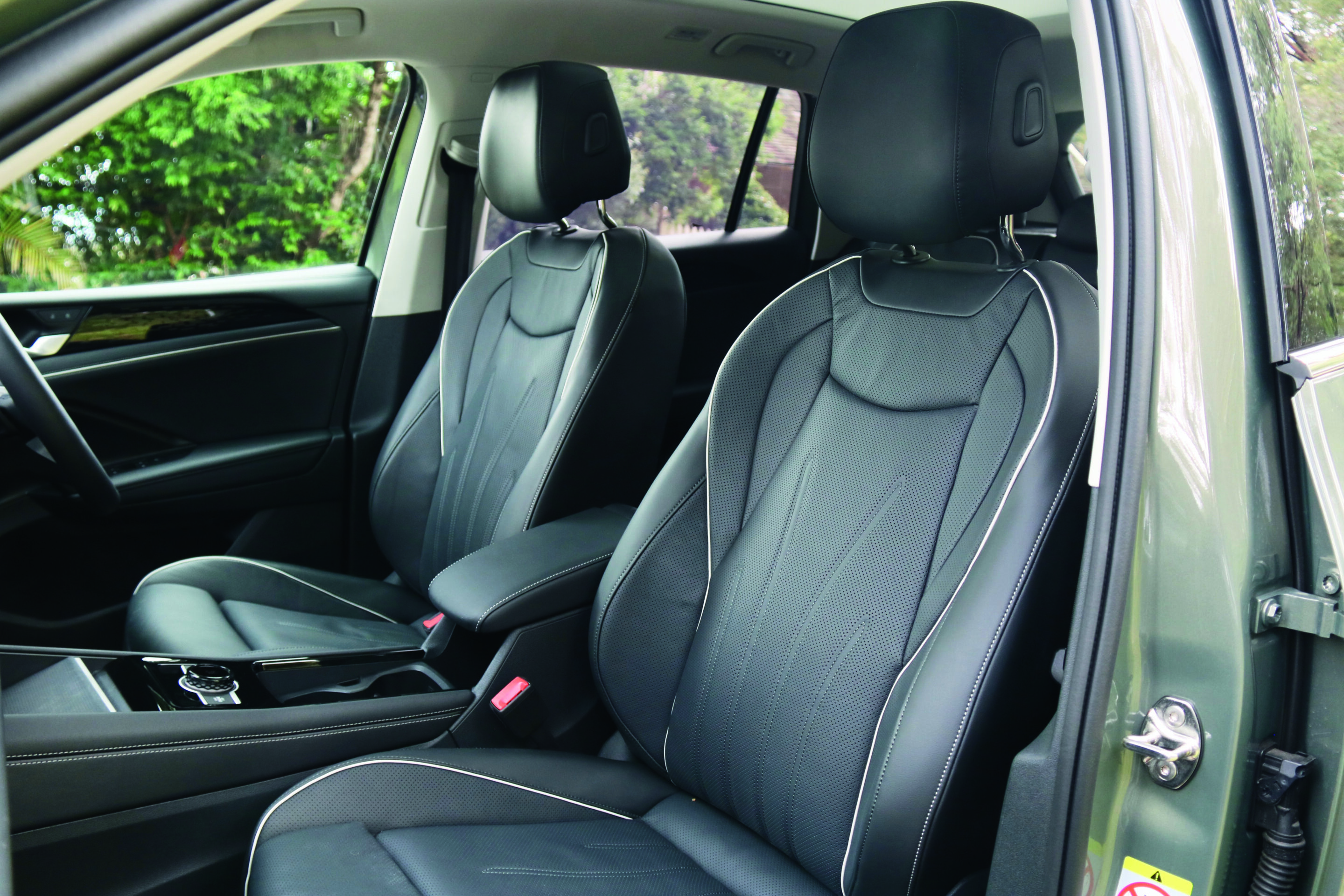
The flip side is that it can be firm for urban driving, though our test car was the pre-updated model with larger 19-inch alloy wheels. Smaller 18s are now standard on the 110TSI Elegance, so the ride should be softer. Regardless, the adaptive dampers of the 2.0-litre variants make that engine a worthy upgrade over the 1.4 0and its passive units. The 150TSI R-Line is a very appealing package for those who like to have fun from behind the wheel – sure, it has less kit than the 110TSI Elegance, but it rides better, is much punchier and would likely be more efficient.
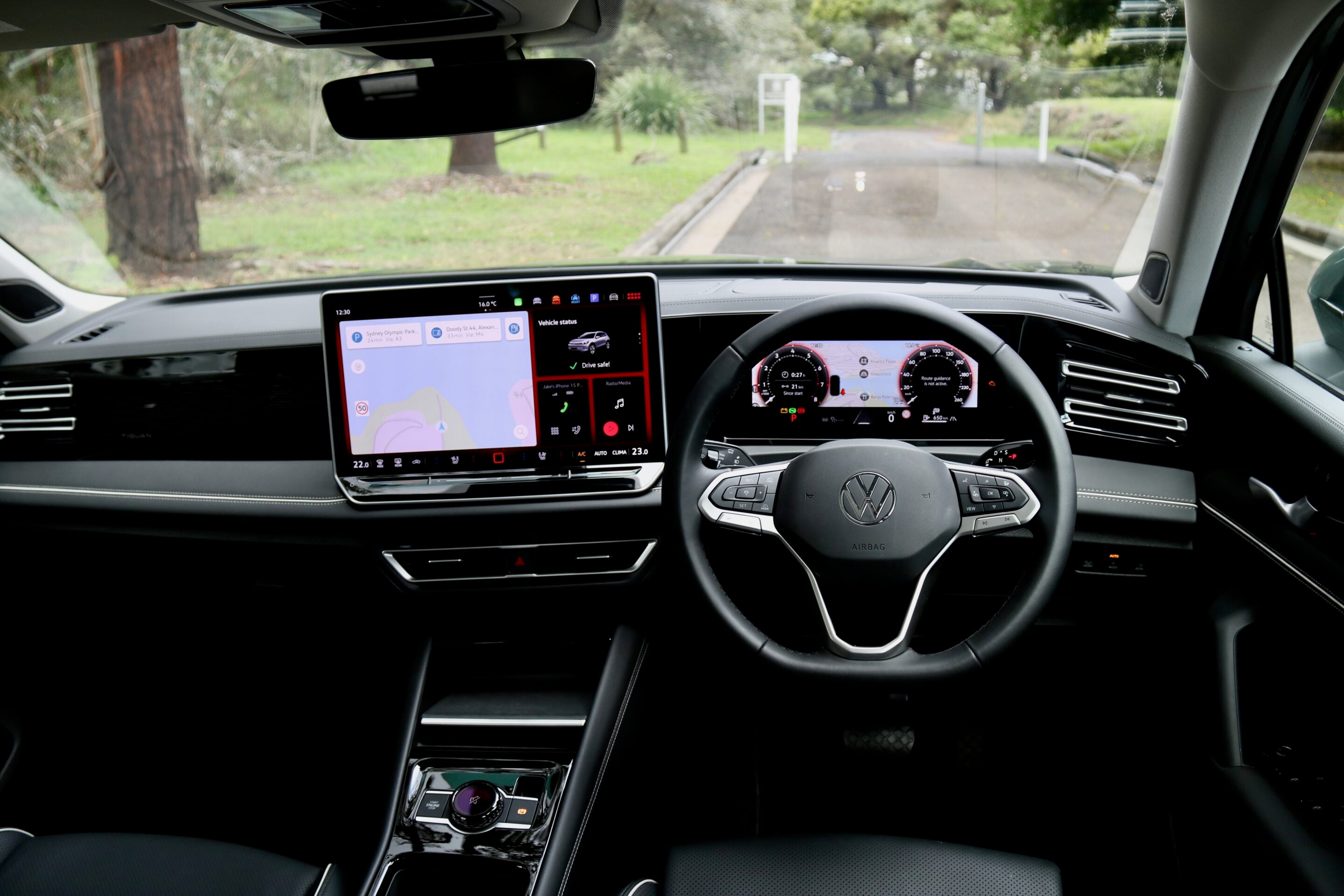
Generation three, especially in Elegance form with its rich leather trim, is also a step up in interior quality compared with generation two. Most surface materials are softer to touch than before, while the appearance overall is more premium. The ambient lighting is more extensive than before, creating a more high-tech vibe, while the central touchscreen (especially in cars with the larger 15-incher) is massive.
As we’ve come to expect from this model, generation three’s cabin is also full of practical touches. The centre console, for example, is essentially a large open tray with removable cupholders, while the open upper tray features two wireless chargers and two USB-C charging ports. There’s also a user-friendly controller wheel to switch between the volume, seat heating and driving modes.
The added convenience of the wheel is positive because it must be said the new model isn’t as ergonomic as the previous car. That’s because the majority of the buttons, including for climate control, are now located inside the touchscreen, like the Mk8 Golf. That decision creates an overall cleaner look inside but because it’s got so many features packed into it, the touchscreen takes some familiarisation. It is configurable so you can save your favourite functions more easily but just learning its menu structure will take a while. Otherwise, the graphics are sharp and it responds very quickly to touch.
The third-gen Tiguan’s dimensions have grown in both length and width compared with generation two, so it feels more spacious on the inside than before. Rear seat space is plentiful for two adults, though like the previous model, the bench is a bit flat. Rear seat amenities include a separate climate zone, two USB-C ports, multiple map- and door pockets, and even sliding/reclining seats.
Bootspace measures 652 litres with the seats up, though that’s measured to the roof. But it’s still a great boxy shape with a low load lip height, hooks to hang bags and a quick electric tailgate. The seats fold easily from the boot and a large 1650 litres of space is on offer. Some rivals like the Hyundai Tucson offer more (1903 litres), but the Tiggy is still more than large enough for most buyers.
The third-generation Volkswagen Tiguan presents a compelling case to the mid-size SUV buyers of Australia, especially those interested in a more premium feel. The caveats are its thirsty 1.4-litre engine, lack of hybrid options, stiff ride in our test car and complex touchscreen. Overall, however, it’s a step forward over the previous model that will undoubtedly find many fans.
Specs
| Model | Volkswagen Tiguan 110TSI Elegance |
|---|---|
| Price | From $51,450 plus on-road costs |
| Drivetrain | 1395cc turbocharged four-cylinder engine |
| Transmission | 7-speed dual-clutch, FWD |
| Peak power | 110kW |
| Peak torque | 250Nm |
| 0-100km/h | 9.5 seconds (est.) |
| Claimed combined fuel consumption/CO2 emissions | 7.6L/100km, 173g/km |
| Fuel type/tank size | 95RON premium unleaded, 55 litres |
| Dimensions (l/w/h/wb) | 4539/1842/1659/2681mm |
| Tare mass | 1603kg |
| Boot | 652 litres (rear seats up), 1650 litres (rear seats folded) |
| Warranty | Five-year/unlimited km with 12 months of roadside assistance (extended a further 12 months with each dealer service) |
| Service intervals/five-year cost | Annually/every 15,000km, $2984 ($597 per year) |
| On sale | Now |
Kia has confirmed it will reveal three new high-performance electric GT models at the 2026 Brussels Motor Show, marking a major expansion of its GT-branded electric vehicle line-up.
The EV5 GT, EV3 GT and EV4 GT (main pic and below) will all make their public debut during Kia’s press conference on January 9, 2026, placing electric performance firmly at the centre of the brand’s future strategy.
The triple unveiling signals Kia’s growing confidence in performance-oriented EVs, particularly in the SUV and crossover segments that continue to dominate global sales. While the new models are being developed with Europe firmly in mind, their arrival also highlights Kia’s broader ambition to position GT as a key pillar of its electric range.
Leading the trio will be the Kia EV5 GT, the most powerful version of the brand’s mid-size electric SUV. Kia has confirmed the EV5 GT will use a dual-motor all-wheel-drive setup producing 225kW and 480Nm of torque, delivering a significant step up over the standard EV5. The figures place it squarely among the new wave of performance electric SUVs, offering strong acceleration while retaining everyday practicality.
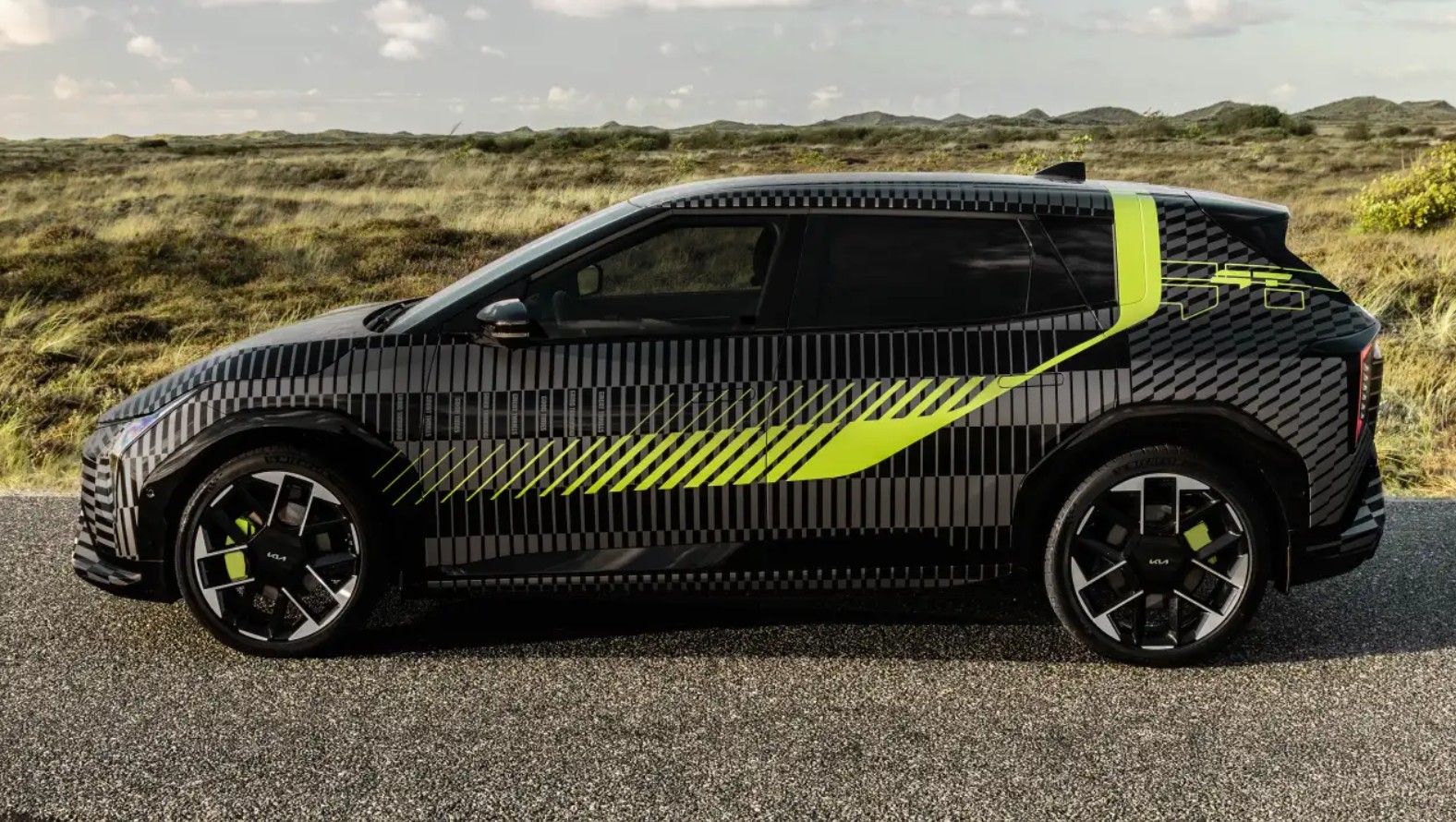
Alongside it, Kia will debut the smaller EV3 GT and the sleek EV4 GT, extending the GT treatment across multiple EV segments. While full specifications for these models remain under wraps, Kia has indicated both will feature more powerful drivetrains than their standard counterparts, along with GT-specific chassis tuning, upgraded suspension and distinctive exterior and interior styling.
For the EV5 GT, Kia has confirmed several key highlights, including sport-focused braking and handling upgrades and exclusive GT design cues. The model is also expected to retain the long-range battery architecture used in the regular EV5, with an anticipated WLTP driving range of around 480 kilometres, although official figures will be released at the show.
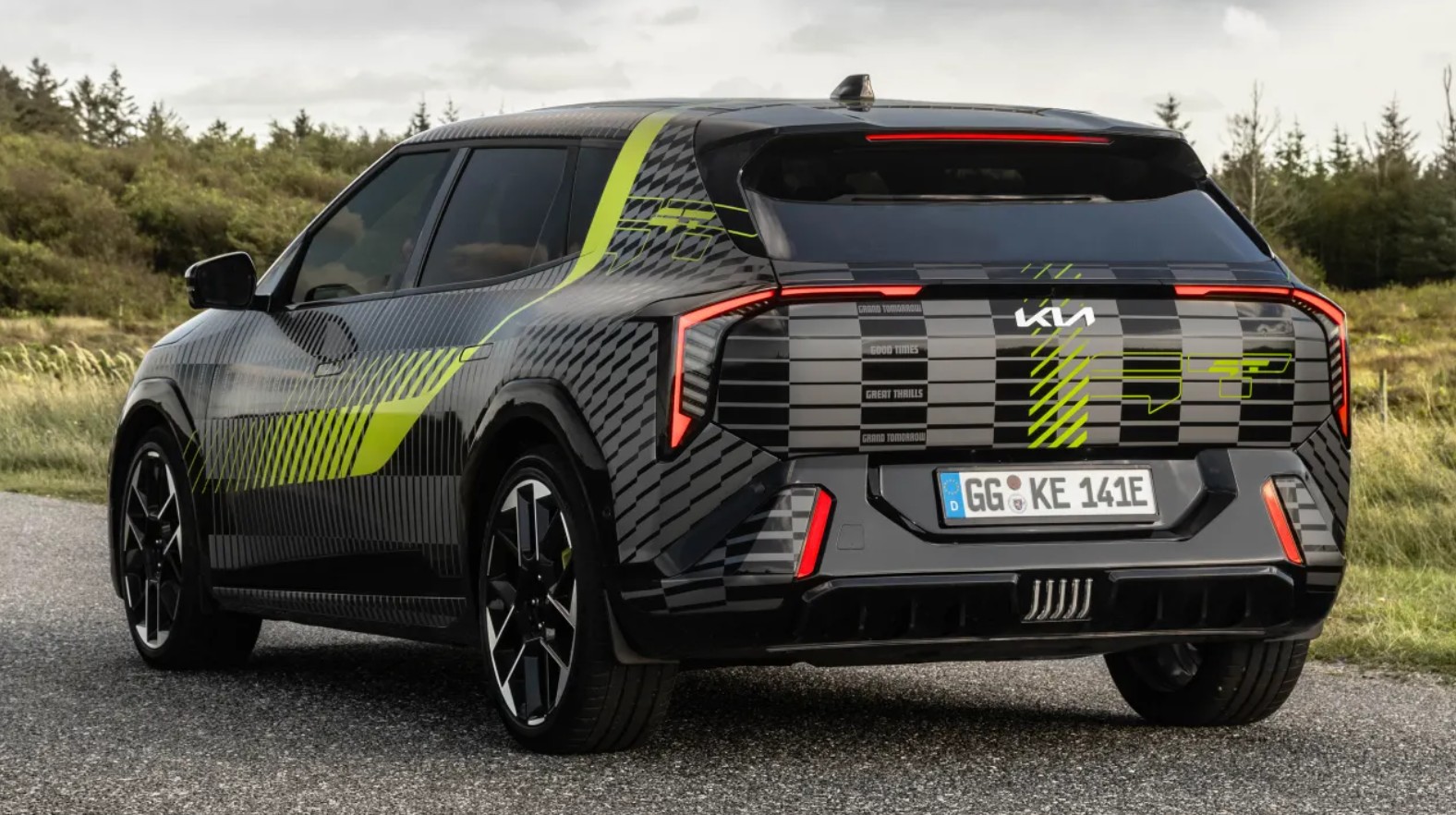
The Brussels Motor Show, running from January 9 to January 18, will serve as a major platform for Kia’s expanding EV portfolio. In addition to the three GT models, Kia is expected to showcase the new EV2 – aimed at the entry-level electric SUV market – and provide updates on its broader electrification roadmap.
During the January 9 press conference, Kia is expected to reveal full technical details for the EV5 GT, outline performance data, and confirm design and technology upgrades for the EV3 GT and EV4 GT. Market availability timelines for Europe and other regions are also likely to be announced, with pricing details to follow closer to launch.
With three electric GT models debuting simultaneously, Kia is making a clear statement about its performance ambitions in the electric era – one that positions the GT badge as more than just a halo, but a core part of the brand’s EV future.
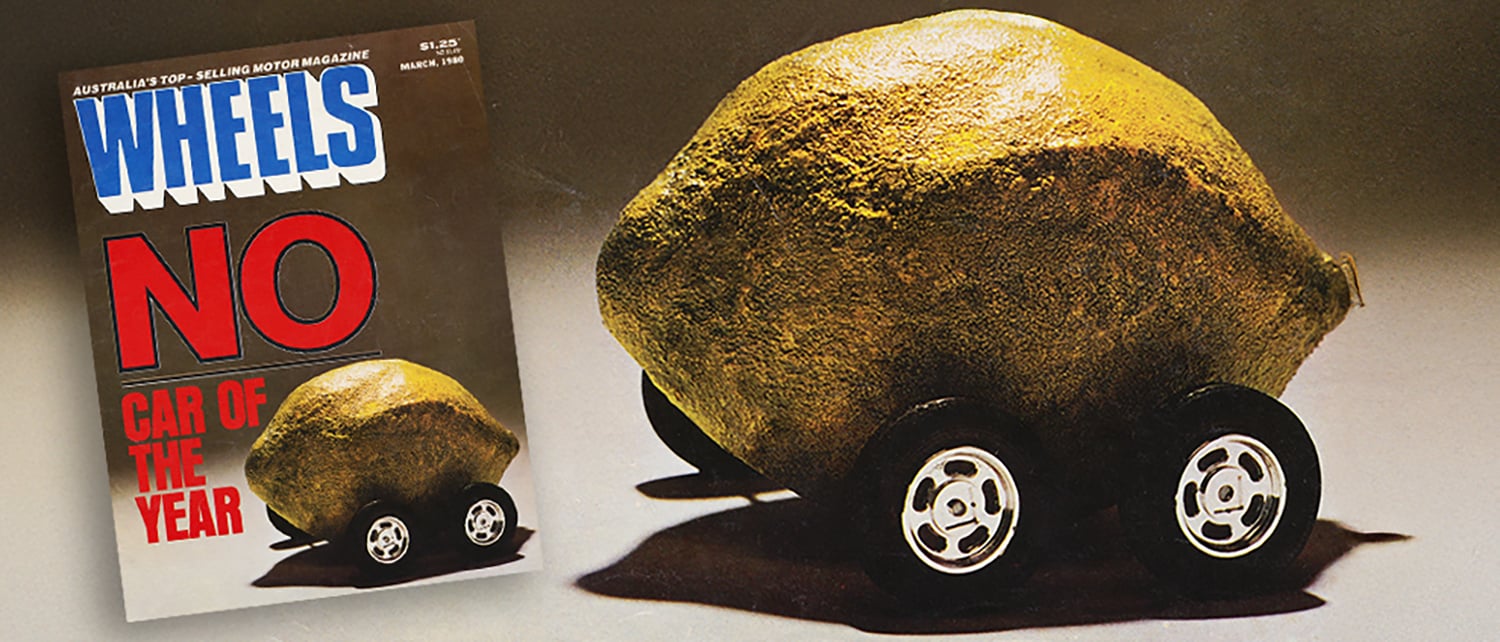
In the opinion of the editors of Wheels no new car in 1979 came up to the standards required of the most coveted award in the Australian motor industry.
Wheels makes this announcement with a deep feeling of responsibility and real regret.
First published in the March 1980 issue of Wheels magazine, Australia’s best car mag since 1953.
It is only the second time in the 17-year history of the Car Of The Year that the award has not been made.
The decision was made only after every eligible candidate had been put through an exhaustive series of tests during the year.
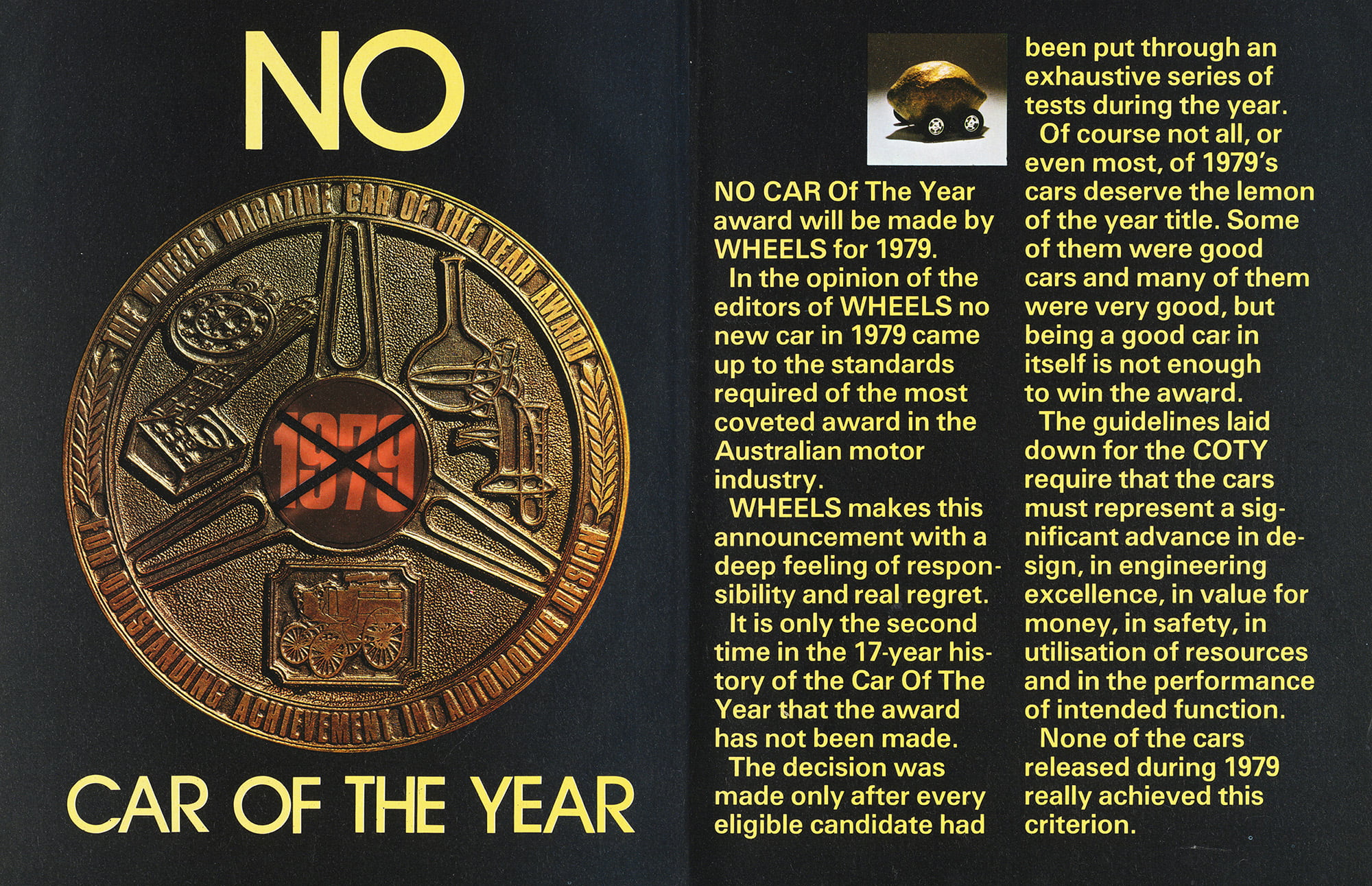
Of course not all, or even most, of 1979’s cars deserve the lemon of the year title. Some of them were good cars and many of them were very good, but being a good car in itself is not enough to win the award.
The guidelines laid down for the COTY require that the cars must represent a significant advance in design, in engineering excellence, in value for money, in safety, in utilisation of resources and in the performance of intended function.
None of the cars released during 1979 really achieved this criterion.
It was a year in which almost every major manufacturer produced new models or at least facelifts which incorporated significant engineering changes.
And yet none of the new cars fulfilled all the conditions to a sufficiently high standard to merit receiving the award.
A thorough scrutiny by the editors of Wheels of the 31 new models released in 1979 produced a short list of six cars – Alfasud Sprint, Ford Falcon, Honda Prelude, Mazda RX-7, Renault 20TS, and Subaru Leone.
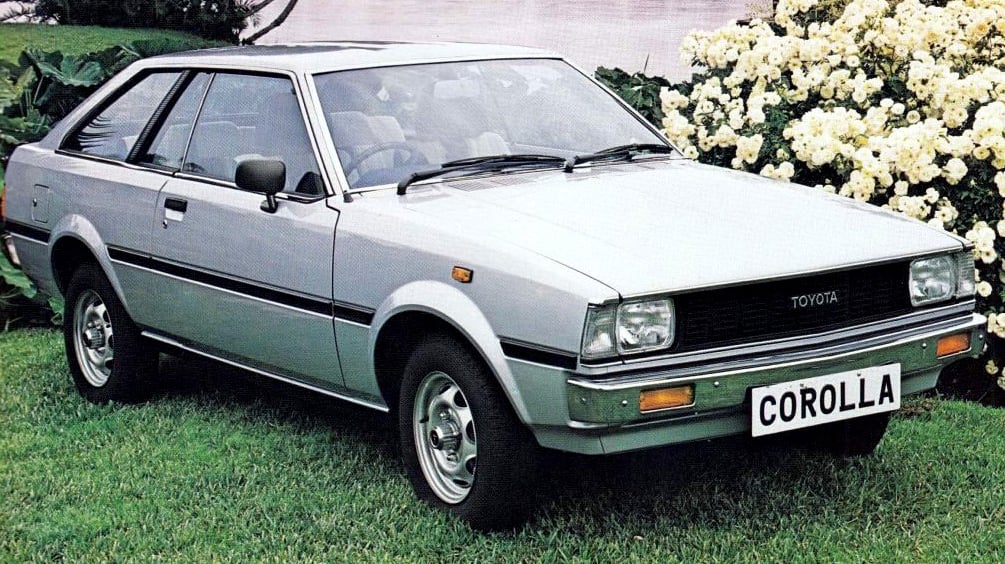
This list excludes some genuinely new cars like the Toyota Corona and T-18 (below) and Datsun 280C and Sunny because their faults became so obvious in our testing that they didn’t rate a mention on any serious rundown of candidates.
Most of the other models are either not sufficiently new to warrant inclusion despite the fact that they are good cars – the Jaguar 4.2 series III, Alfasud ti 1.5, BMW 528i, and Saab 900 Turbo – or variations on a theme which has previously won the COTY – Gemini TF, Commodore station wagon and Passat diesel — or facelifted or re-engined versions well-known (and therefore easily dismissed within the criteria of the award) models – BMW 323i, Scorpion and Sigma 2.6, and Lancer Hatchback, Datsun 200B, Fiat X 1/9, and Super Mira Fiori, Escort RS 2000, Peugeot 504 diesel, Porsche 924 Turbo and Volvo 242GT.
Finally there are the up-market long wheelbase versions of the new Falcon – Fairlane and LTD – which deserve attention but since they grew out of the Blackwood program cannot hope to overshadow the importance of the XD.
Before going through the short list and explaining why one of the top six didn’t make it, we should point out that we gave very serious consideration to the XD Falcon. It was the most important local car released during 1979 if only for the obvious reason that more people bought it than any other 1979 model.
Alfa Romeo Alfasud Sprint
The Alfasud Sprint is the long awaited coupe variation which was recently named Car of the Decade by Car magazine in England.
Its beautiful body by Giugiaro who also designed the sedan – hides virtually unchanged Sud mechanicals so it retains the same brilliant dynamics we respect so highly from the sedan.
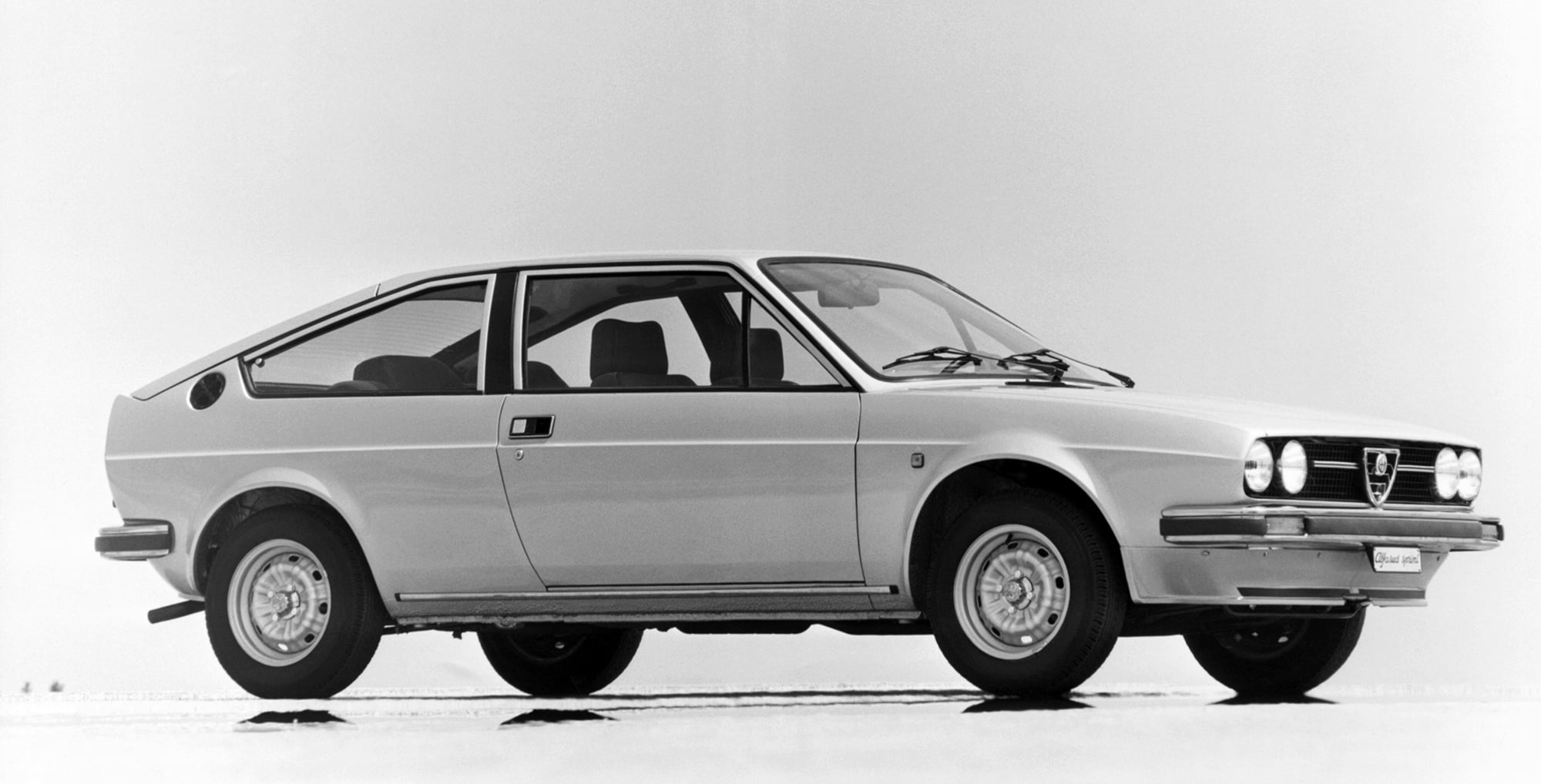
But it is considerably more expensive and doesn’t have the room of the sedan, which performs at least as well. Car Of The Decade? Perhaps, but a coupe version of the sedan isn’t enough justification for COTY despite its enormous driver appeal.
Honda Prelude
Much of the same comments apply to the little Honda sporty. Yes, it is a development of the Accord – which we named Car of the Year in 1977 – but doesn’t represent the technical advance we have come to expect from Japan’s most innovative car maker.
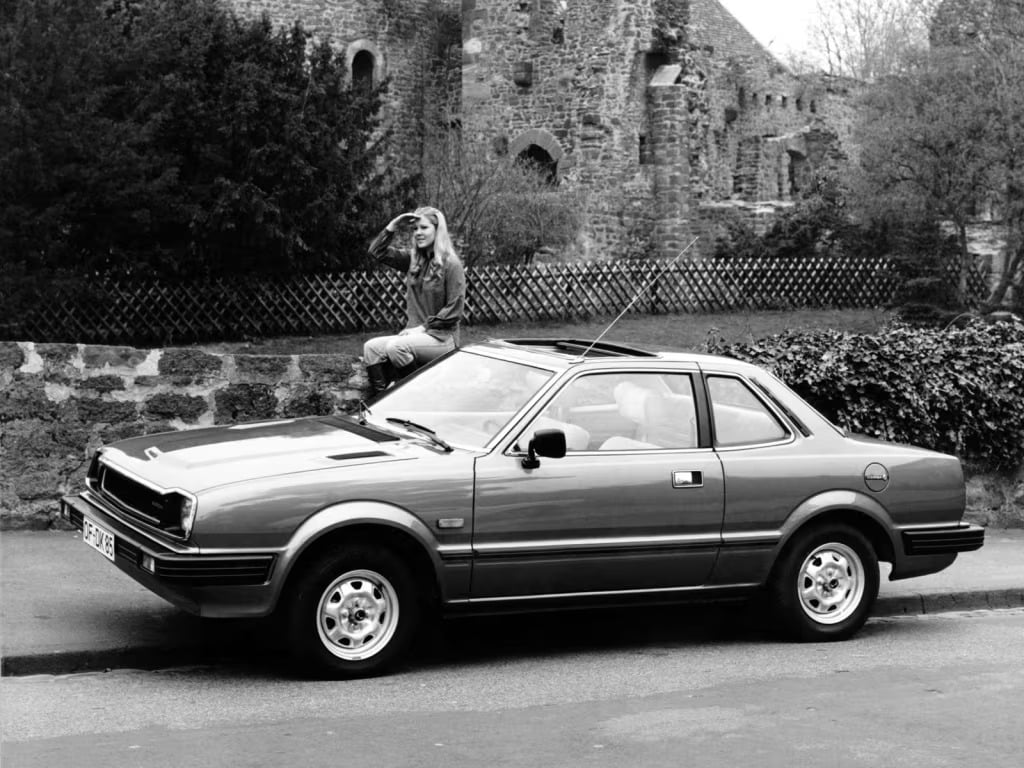
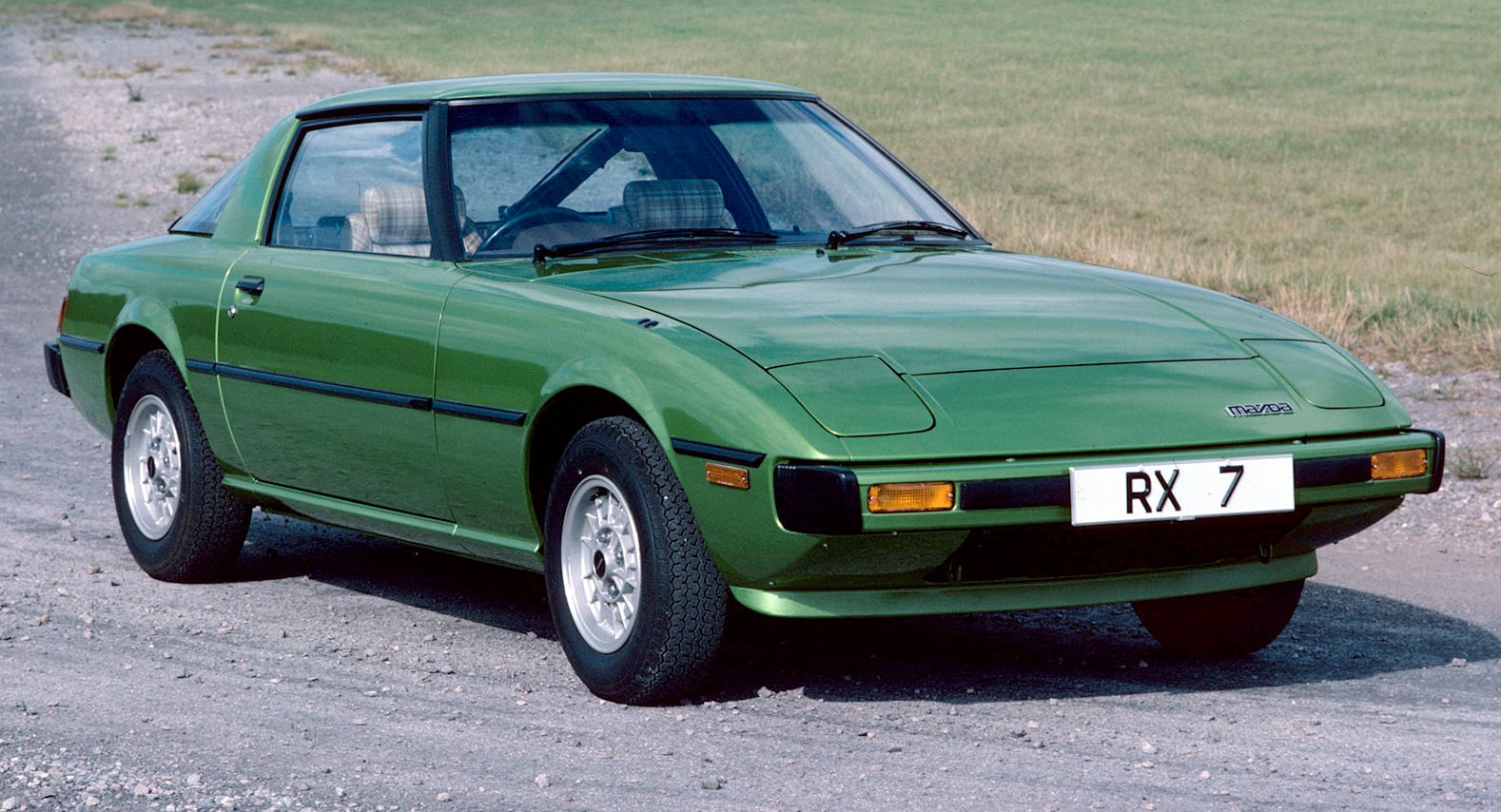
Mazda RX-7
A fine sports car that suits Australian conditions better than its obvious rival, the Porsche 924 (which is twice the price), the RX-7 proves the rotary engine has a future in specialist cars. But there are enough deficiencies in steering, brakes and clutch, and the seats to give R+Europe hope for the future. The Japanese have yet to master the art of dynamics.
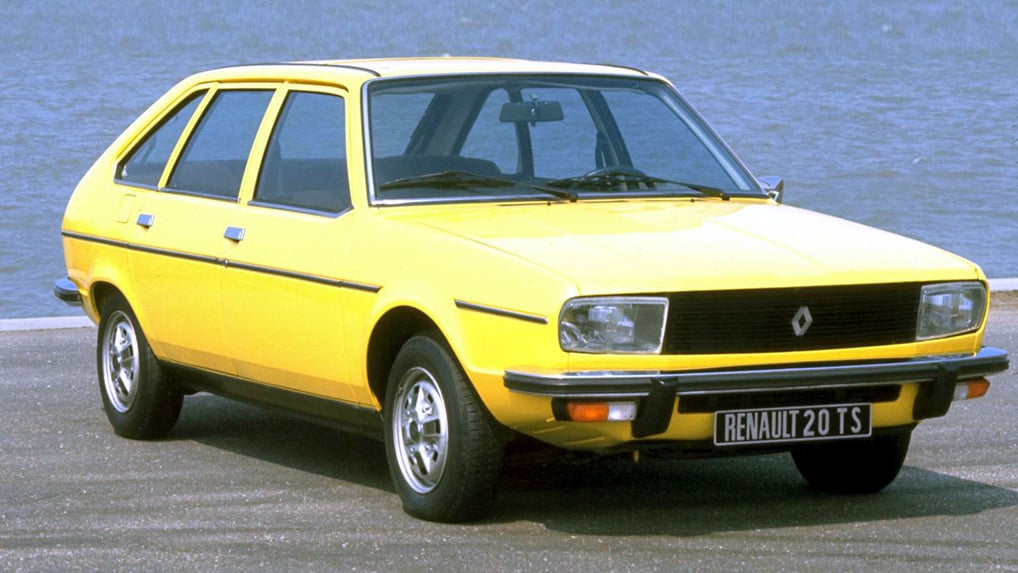
Renault 20TS
A high price takes the 20 out of the reach of those people who enjoyed its predecessor, the 16, and beyond even its logical competition from Europe. Which is a pity for it is a fine car, if mildly disappointing in its noise levels. Certainly its appearance is less controversial than the 16 but does it really do things that much better than the car which began the modern trend to hatchback bodies?
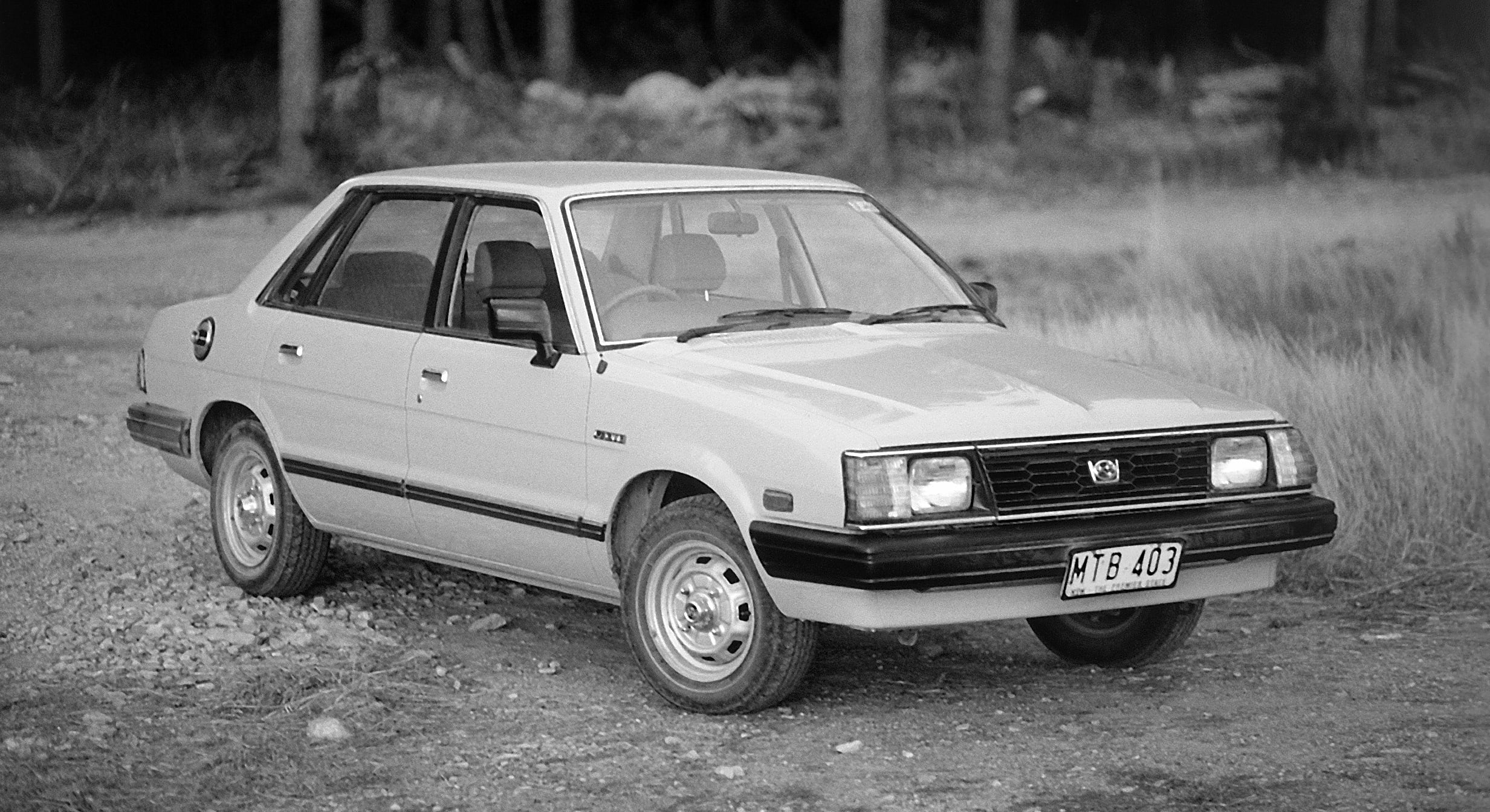
Subaru Leone
Great expectations thwarted. We always believed that if Subaru gave the car a new body it could become an excellent little car. Now that’s happened and the result still doesn’t work as well as it should for there are major flaws in the seats, performance, steering and its price is too high despite the recent price cuts.
Why the XD Fails
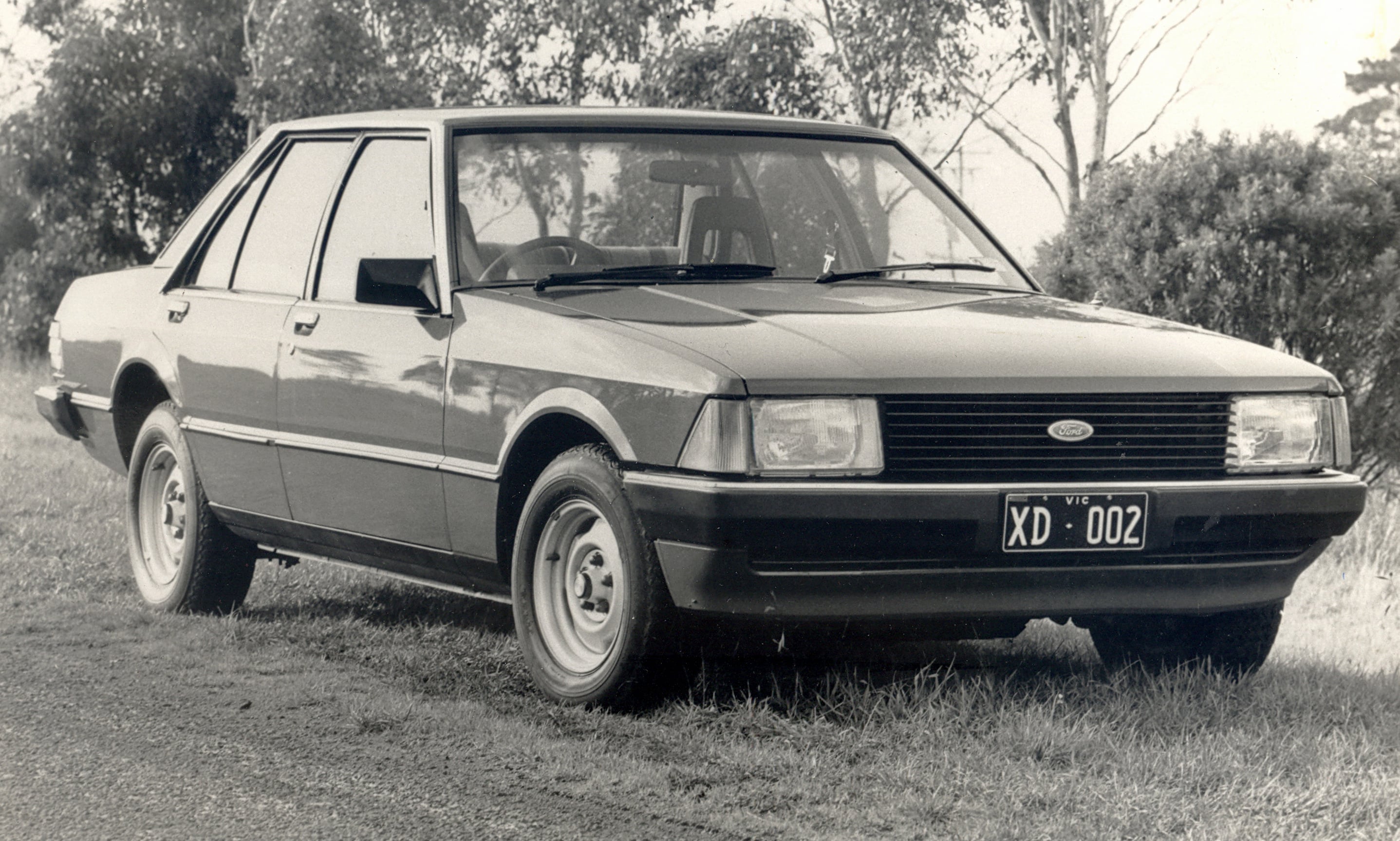
As the last indigenous Australian car it can’t hope to cope with the world cars Ford’s XD Falcon represents the pinnacle of Australian automotive engineering. No arguments, despite what Fishermen’s Bend might half-heartedly believe. Therefore, however, the XD is being asked to carry the philosophical vanguard for over 30 years of Australian cars in the face of an almost total switch by Holden to the world car theme. And Holden invented Australia’s Own.
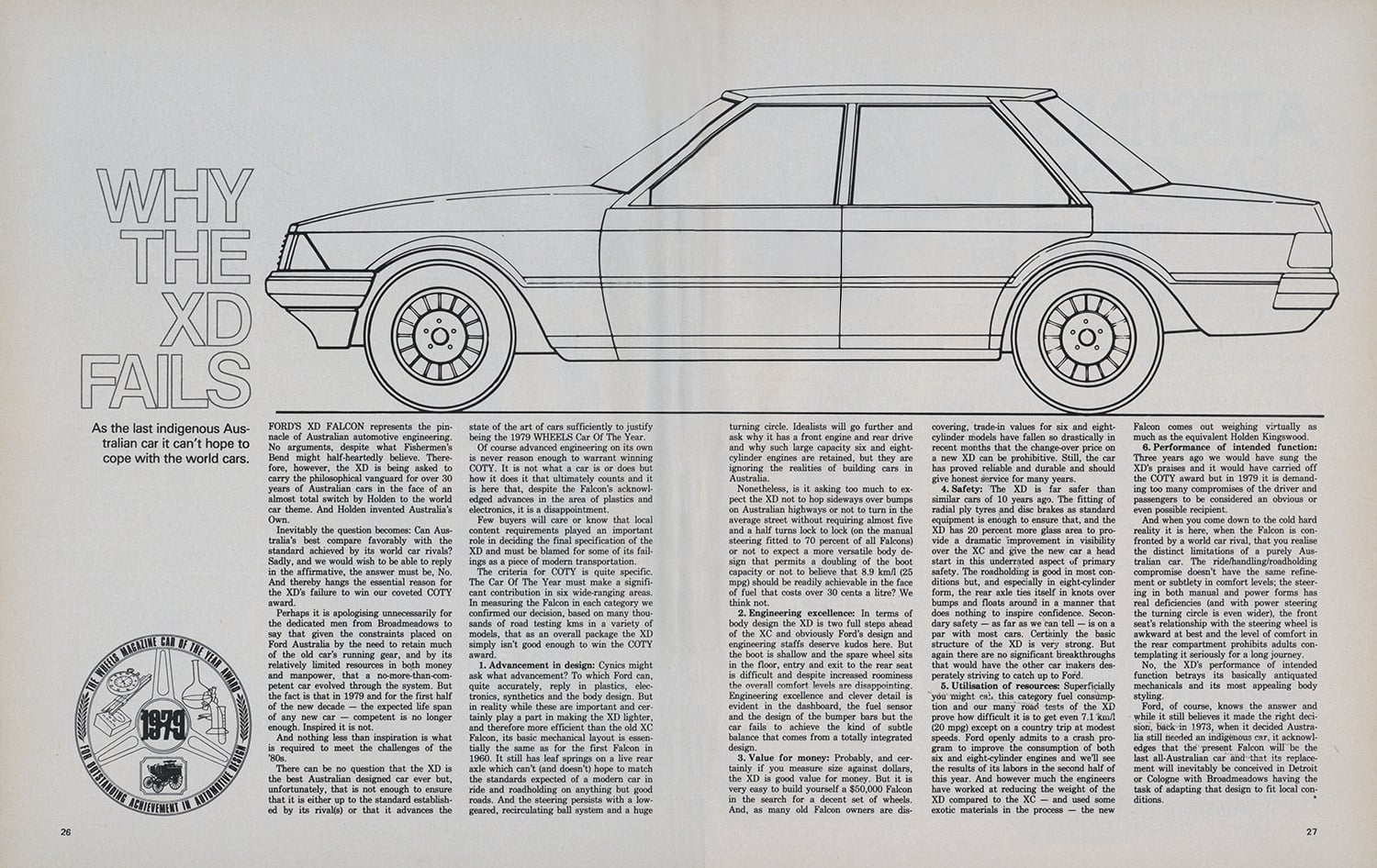
Inevitably the question becomes: Can Australia’s best compare favourably with the standard achieved by its world car rivals? Sadly, and we would wish to be able to reply in the affirmative, the answer must be, No. And thereby hangs the essential reason for the XD’s failure to win our coveted COTY award.
Perhaps it is apologising unnecessarily for the dedicated men from Broadmeadows to say that given the constraints placed on Ford Australia by the need to retain much of the old car’s running gear, and by its relatively limited resources in both money and manpower, that a no-more-than-competent car evolved through the system.
But the fact is that in 1979 and for the first half of the new decade – the expected life span of any new car – competent is no longer enough. Inspired it is not. And nothing less than inspiration is what is required to meet the challenges of the ’80s.
There can be no question that the XD is the best Australian designed car ever but, unfortunately, that is not enough to ensure that it is either up to the standard established by its rival(s) or that it advances the state of the art of cars sufficiently to justify being the 1979 Wheels Car Of The Year.
Of course advanced engineering on its own is never reason enough to warrant winning COTY. It is not what a car is or does but how it does it that ultimately counts and it is here that, despite the Falcon’s acknowledged advances in the area of plastics and electronics, it is a disappointment.
Few buyers will care or know that local content requirements played an important role in deciding the final specification of the XD and must be blamed for some of its failings as a piece of modern transportation.
The criteria for COTY is quite specific. The Car Of The Year must make a significant contribution in six wide-ranging areas. In measuring the Falcon in each category we confirmed our decision, based on many thousands of road testing kms in a variety of models, that as an overall package the XD simply isn’t good enough to win the COTY award.
1. Advancement in design: Cynics might ask what advancement? To which Ford can, quite accurately, reply in plastics, electronics, synthetics and the body design. But in reality, while these are important and certainly play a part in making the XD lighter, and therefore more efficient than the old XC Falcon, its basic mechanical layout is essentially the same as for the first Falcon in 1960.
It still has leaf springs on a live rear axle which can’t (and doesn’t) hope to match the standards expected of a modern car in ride and roadholding on anything but good roads. And the steering persists with a low-geared, recirculating ball system and a huge turning circle. Idealists will go further and ask why it has a front engine and rear drive and why such large capacity six- and eight-cylinder engines are retained, but they are ignoring the realities of building cars in Australia.
Nonetheless, is it asking too much to expect the XD not to hop sideways over bumps on Australian highways or not to turn in the average street without requiring almost five-and-a-half turns lock-to-lock (on the manual steering fitted to 70 per cent of all Falcons) or not to expect a more versatile body design that permits a doubling of the boot capacity or not to believe that 8.9 km/l (25mpg) should be readily achievable in the face of fuel that costs over 30 cents a litre? We think not.
2. Engineering excellence: In terms of body design the XD is two full steps ahead of the XC and obviously Ford’s design and engineering staff deserve kudos here. But the boot is shallow and the spare wheel sits in the floor, entry and exit to the rear seat is difficult and despite increased roominess the overall comfort levels are disappointing.
Engineering excellence and clever detail is evident in the dashboard, the fuel sensor and the design of the bumper bars but the car fails to achieve the kind of subtle balance that comes from a totally integrated design.
3. Value for money: Probably, and certainly if you measure size against dollars, the XD is good value for money. But it is very easy to build yourself a $50,000 Falcon in the search for a decent set of wheels. And, as many old Falcon owners are discovering, trade-in values for six- and eight-cylinder models have fallen so drastically in recent months that the change-over price on a new XD can be prohibitive. Still, the car has proved reliable and durable and should give honest service for many years.
4. Safety: The XD is far safer than similar cars of 10 years ago. The fitting of radial ply tyres and disc brakes as standard equipment is enough to ensure that, and the XD has 20 per cent more glass area to provide a dramatic improvement in visibility over the XC and give the new car a head start in this underrated aspect of primary safety. The roadholding is good in most conditions but, and especially in eight-cylinder form, the rear axle ties itself in knots over bumps and floats around in a manner that does nothing to inspire confidence.
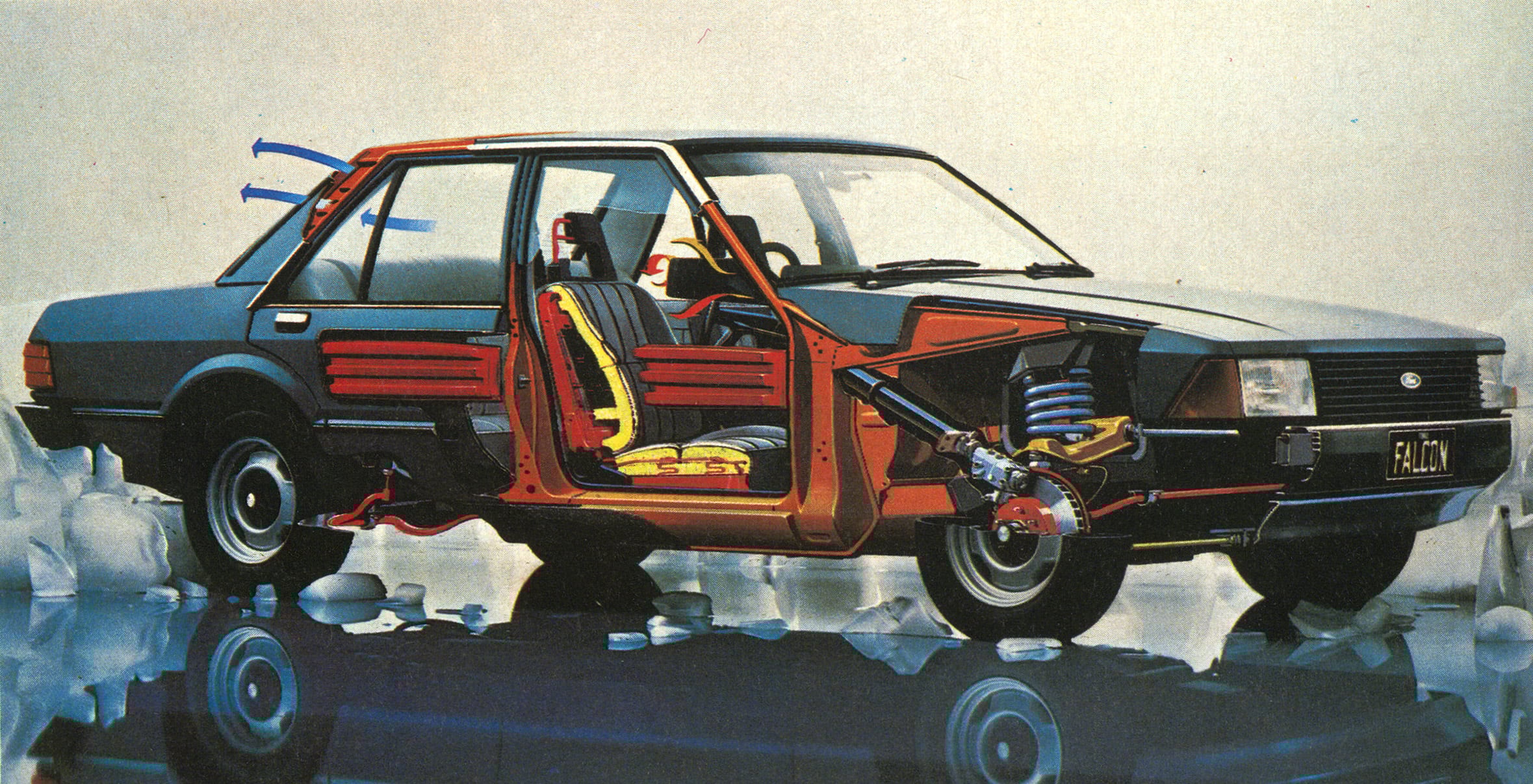
Secondary safety – as far as we can tell – is on a par with most cars. Certainly the basic structure of the XD is very strong. But again there are no significant breakthroughs that would have the other car makers desperately striving to catch up to Ford.
5. Utilisation of resources: Superficially you might call this category fuel consumption and our many road-tests of the XD prove how difficult it is to get even 7.1 km/l (20 mpg) except on a country trip at modest speeds.
Ford openly admits to a crash program to improve the consumption of both six- and eight-cylinder engines and we’ll see the results of its labours in the second half of this year. And however much the engineers have worked at reducing the weight of the XD compared to the XC – and used some exotic materials in the process – the new Falcon comes out weighing virtually as much as the equivalent Holden Kingswood.
6. Performance of intended function: Three years ago we would have sung the XD’s praises and it would have carried off the COTY award but in 1979 it is demanding too many compromises of the driver and passengers to be considered an obvious or even possible recipient.
And when you come down to the cold hard reality it is here, when the Falcon is confronted by a world car rival, that you realise the distinct limitations of a purely Australian car.
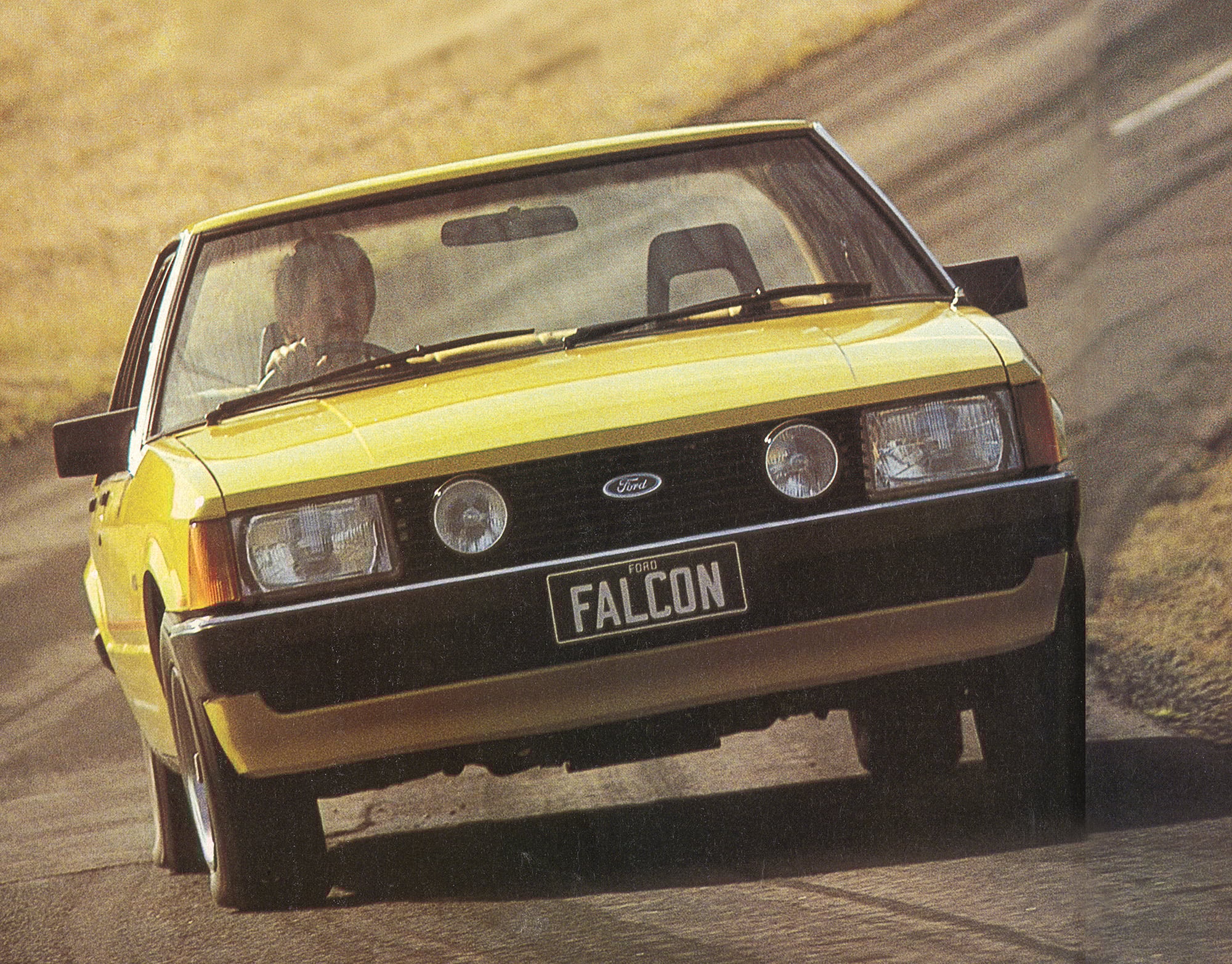
The ride/handling/roadholding compromise doesn’t have the same refinement or subtlety in comfort levels; the steering in both manual and power forms has real deficiencies (and with power steering the turning circle is even wider), the front seat’s relationship with the steering wheel is awkward at best and the level of comfort in the rear compartment prohibits adults contemplating it seriously for a long journey. No, the XD’s performance of intended function betrays its basically antiquated mechanicals and its most appealing body styling.
Ford, of course, knows the answer and while it still believes it made the right decision, back in 1973 when it decided Australia still needed an indigenous car, it acknowledges that the present Falcon will be the last all-Australian car and that its replacement will inevitably be conceived in Detroit or Cologne with Broadmeadows having the task of adapting that design to fit local conditions.
Australians are just days away from entering 2026, and drivers across the country are being warned to brace for another wave of significant road rule changes. After a year that saw lower speed limits, sharper penalties and the rollout of AI-powered enforcement, more reforms are locked in for the year ahead as governments respond to stubbornly high road tolls.
In a report by Yahoo News Australia on the changes, it’s clear most are aimed squarely at improving safety, but motorists who fail to keep up could be hit with hefty fines. Sydney-based lawyer Avinash Singh told the publication that many drivers are unaware of how extensive the reforms already are – and how much more is coming.
Victoria is preparing for a major overhaul of how fine defaulters are penalised. From July 1, 2026, new Fines Reform and Infringements Regulations will change how quickly penalties escalate and how payments are enforced. The state has also expanded its 40km/h passing rule, which now applies not only to emergency vehicles but also to roadside assistance workers, a change that took effect in 2025.
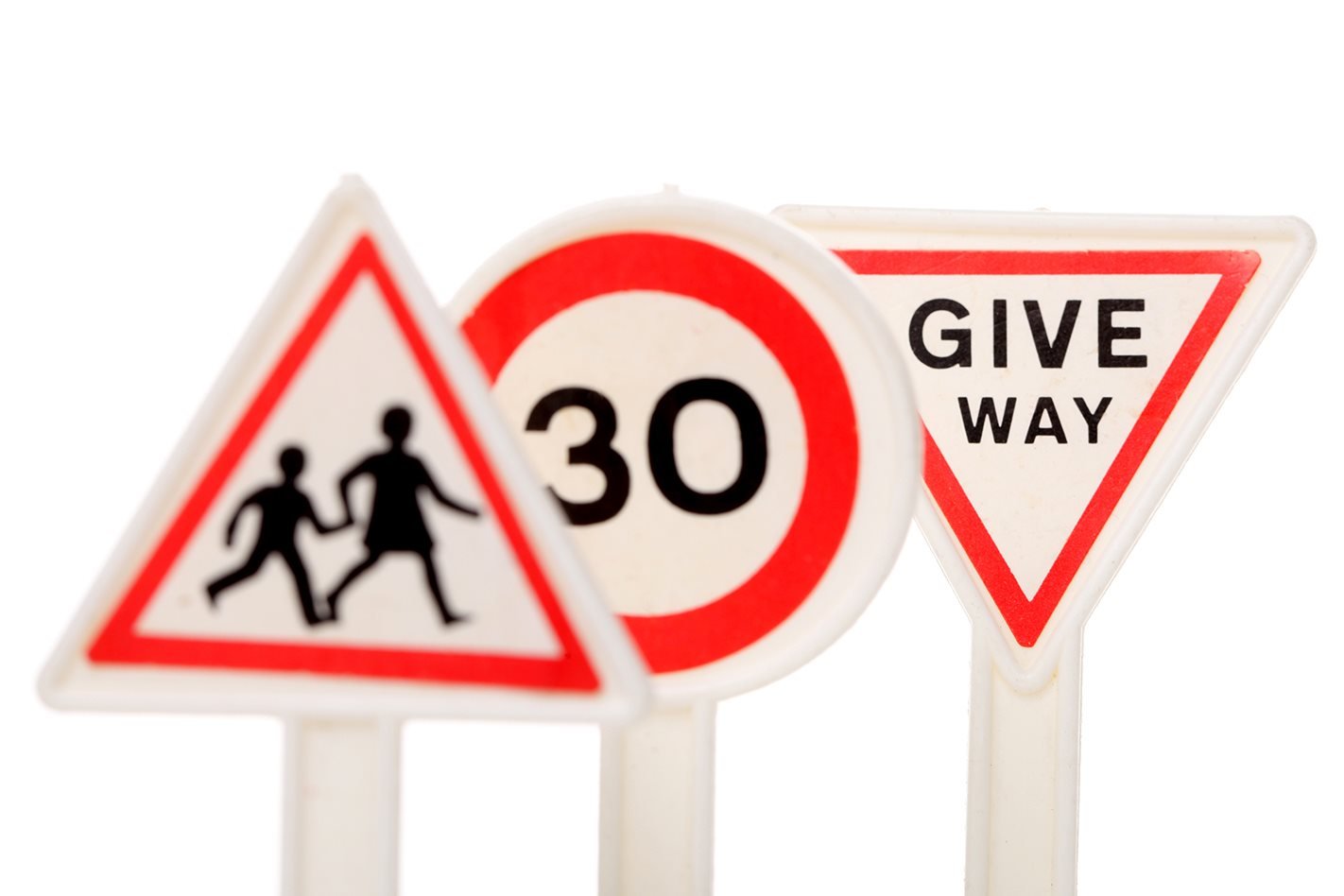
In New South Wales, novice motorbike riders are set to face tougher requirements under changes to the Motorcycle Graduated Licensing Scheme. Expected to take effect mid-2026, the reforms would mandate protective gloves and high-visibility vests in addition to helmets. NSW is also reviewing school zone and high pedestrian area speed limits, with a proposal before Parliament to allow 30km/h limits in more locations.
Queensland is among the states continuing to lower speed limits in busy urban areas. Several locations have already seen limits drop from 50km/h to 40km/h under existing regulations, with authorities pointing to reduced crash rates. Areas such as the Hervey Bay Esplanade and parts of the Cairns CBD are already affected, and further reductions are expected across the state in 2026, particularly in high-traffic and pedestrian-heavy zones.
Tasmania is entering the final year of its Towards Zero Road Safety Strategy (2017–2026), with the state currently off track to meet its target of fewer than 200 serious injuries and deaths annually. In response, enforcement campaigns are being ramped up and a new Speed Management Strategy is set to be introduced. This could see lower posted speed limits rolled out in high-risk areas from early 2026, including potential moves to reduce school zones from 40km/h to 30km/h.

The ACT has already moved ahead with AI-powered traffic cameras, which began enforcing seatbelt compliance in late 2025. The technology automatically detects drivers and passengers not wearing seatbelts correctly and is now fully operational across the territory.
South Australia is expanding 40km/h time-based school zones on major arterial roads, with all identified school-adjacent routes expected to be covered by the end of 2026.
Meanwhile, a national framework introducing stricter medical checks for older drivers is nearing full rollout. Most eastern states began implementing the system in late 2025, with Western Australia and the Northern Territory set to complete adoption by early 2026. Drivers aged 75 and over now face mandatory health assessments, with annual checks required from age 80.
The message for motorists is clear: 2026 will bring tougher rules, closer scrutiny and less tolerance for non-compliance on Australian roads.
Mick Doohan does not stop. He cannot stop.
A monster crash might have put a red line through his career as a MotoGP racer, but what it also did was to spark the start of his second life as a super-successful businessman.
Doohan now splits his time and his life between the monied world of Monaco and his home base on the Gold Coast in Queensland, where you might expect him to throttle back to enjoy the surf and sunshine. Not likely.
He is still flat-out on the next deal, as well as guiding the motorsport career of his son Jack and looking for junior’s next opportunity after Argentine Franco Colapinto stole his seat at Alpine before he got a fair crack at Formula One. He is an aviation entrepreneur, a financial wizard and more. The phone never stops.
Doohan has recently turned 60 but is still super-fit, focussed, and chasing success.
“I’m happy, but I’m not a billionaire. I enjoy what I do, and that’s the main thing,” Doohan tells Wheels. “The game of business is what I enjoy. I was fortunate to race bikes, and I enjoyed that. I grew up racing bikes. But do you want to finish third and be happy, or do you want to win? I enjoy business and I get as much buzz out of doing a deal, and winning a deal, as I did when competing.”
Doohan is spending the southern summer months in Australia as usual with his wife Selina and will be joined at some point by Jack and their daughter Alexis, who works in IT.
“We’re enjoying spending time here. I spend anywhere up to six months a year still in Europe. It’s for business and with Jack,” he says.
Their home base is a sprawling compound at Coomera, at the northern end of the Gold Coast,
although there is also a beach house that Jack has often used for surfing.
Bright new houses are marching up from the M1 freeway towards the virgin bushland surrounding the Doohan home, which was once an isolated oasis along a narrow country road. But the driveway still looks more like the entrance to a luxury resort, and it opens out to the multi-storey main house with pool, smaller houses for guests or workers, a tennis court, a huge shed that includes his office and even a go-kart track.
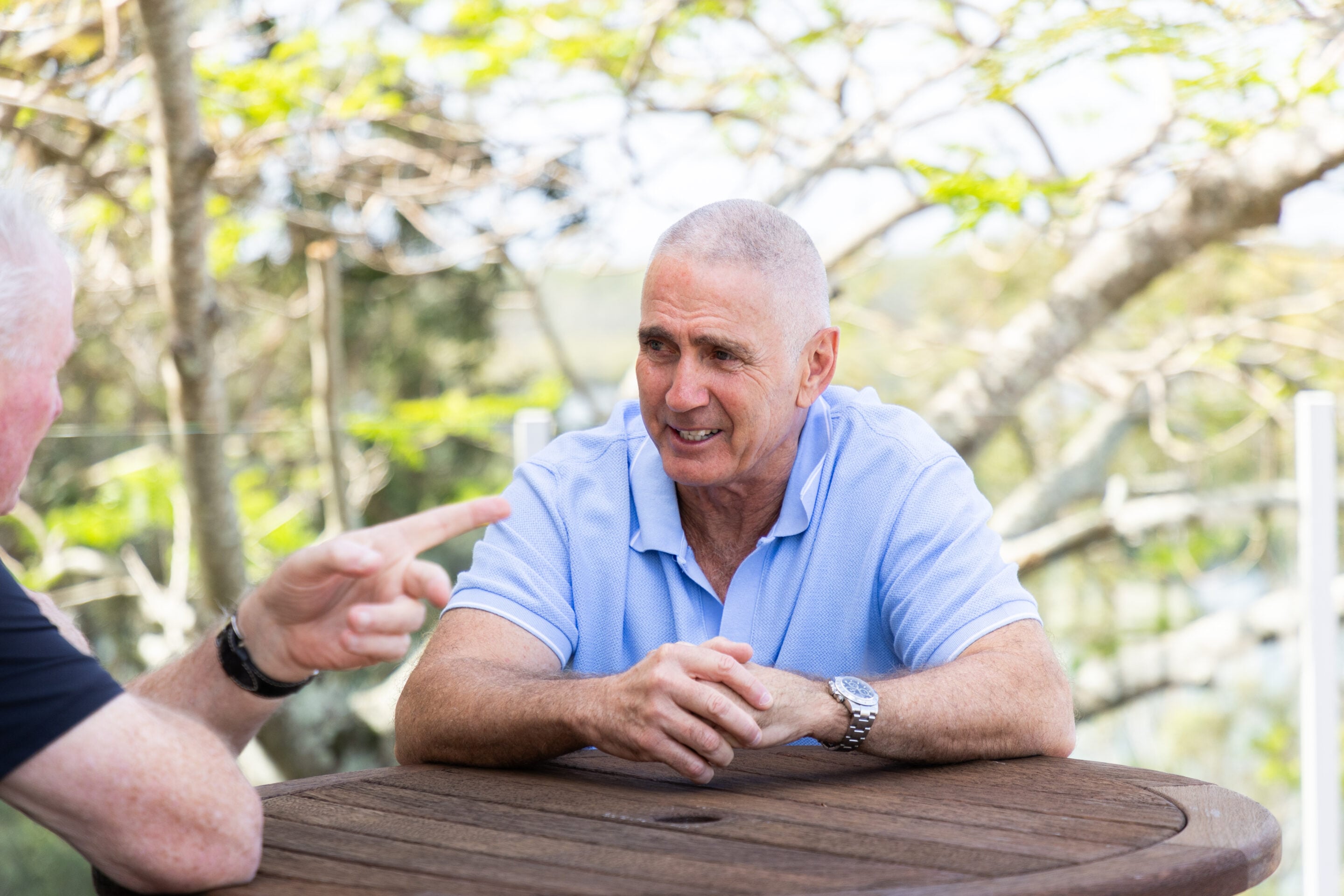
Apart from the Doohans and a string of their family guests over the years including Michael Schumacher, the home is well known for hosting A-list celebrities during Australian visits for movie making. Johnny Depp was one, also Angelina Jolie and Brad Pitt, who Doohan flew in his personal helicopter.
The house was finished back in the mid 2000s and has been on the market for a time, with a price tag somewhere over $30 million that would set local real estate records, but that’s no longer a priority.
“It’s not on the market. If somebody wants to buy it, then it’s for sale. It’s mostly only Selina and I living here these days,” he says.
The garage houses a couple of AMG master-blasters, as Doohan has been a brand ambassador for the go-faster division at Mercedes-Benz for more than 20 years, although his upside-down exit from Targa Tasmania is not something to re-visit. There is a MotoGP inspired Honda road bike, too.
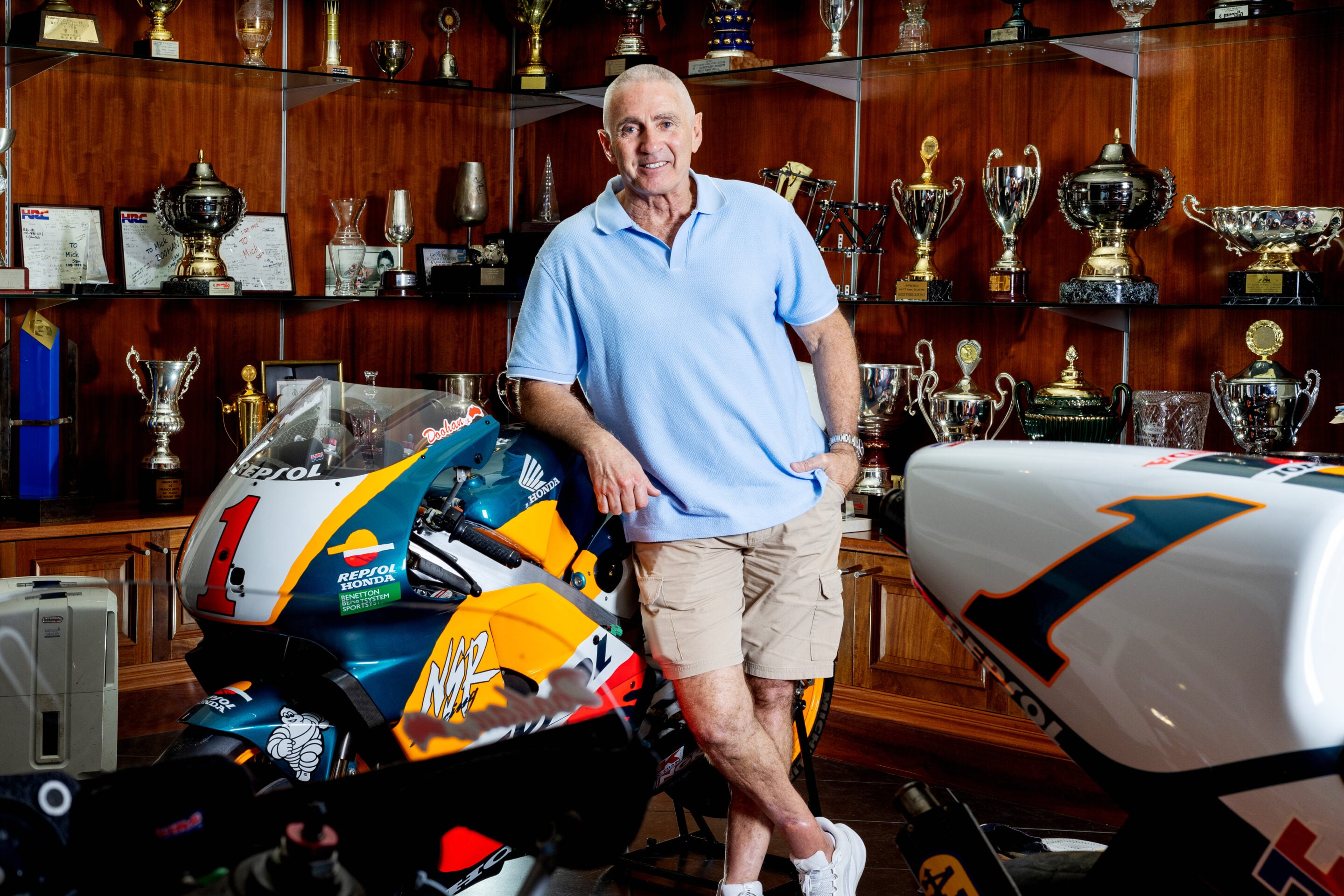
The house also includes Doohan’s trophy room, a vast shiny collection of championship winning
motorcycles, cups and plaques. There are also a few special helmets swapped with mates, including one from Schumacher, as well as the evil-looking contraption that was attached to Doohan’s leg – to be wound out every morning to try and lengthen his smashed bones – through his final recuperation.
It’s been a couple of months since Doohan, a Gemini – “I guess so, I don’t take too much notice” – passed his 60th milestone but he barely seems to care.
“I feel the same as 59 really. It doesn’t bother me. So long as I’m still mobile and healthy,” he casually says.
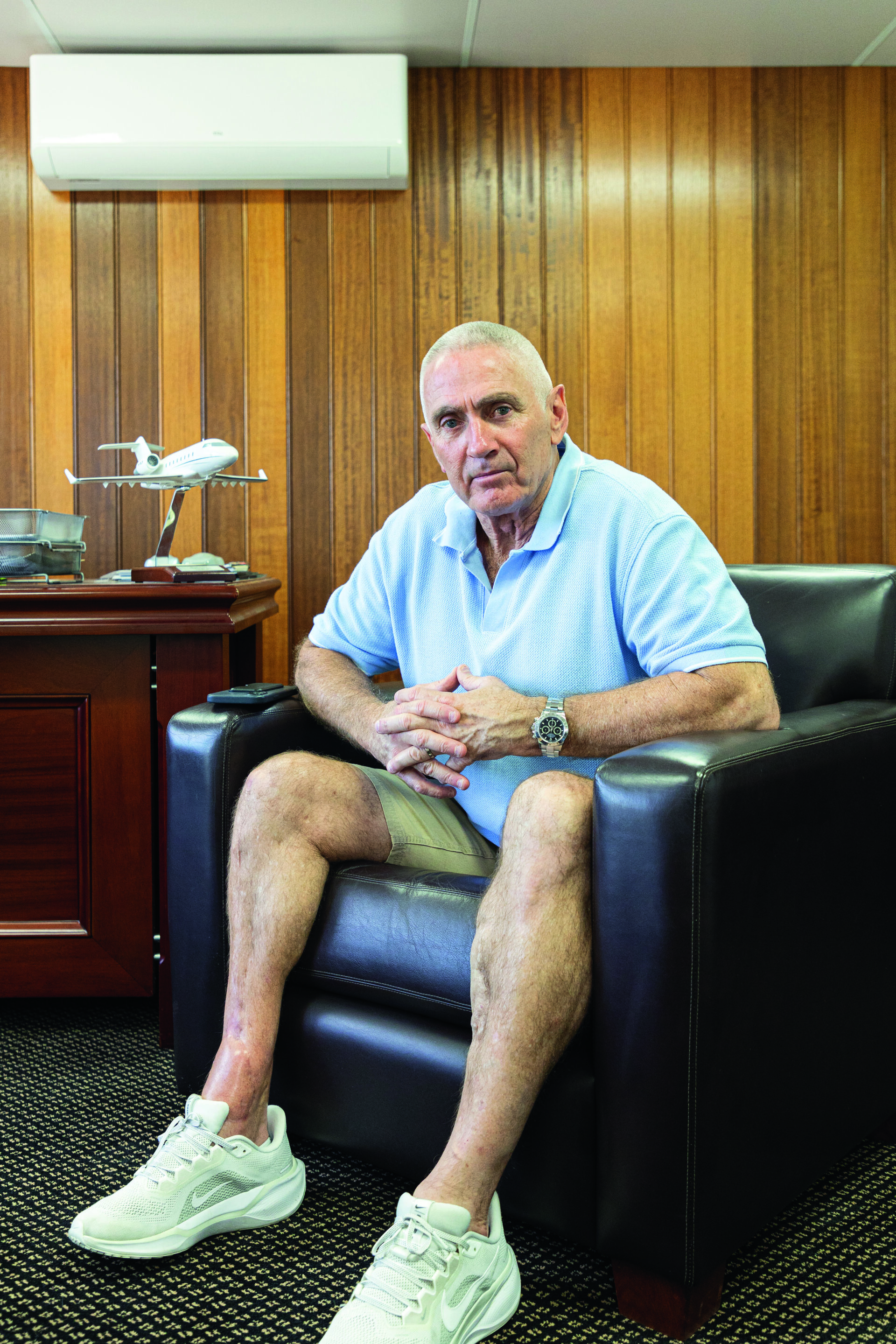
That’s a big deal for Doohan, whose legs still look like they’ve been through a meat grinder after a series of evil crashes on the wicked two-stroke Hondas that delivered him his five world titles and the cash to transition to life after racing (above). Is he still in pain?
“No. At the moment, everything seems ok so hopefully that continues for a while,” he responds. “No doubt I will slow up at some point. Although my legs and the scars look pretty bad, eventually the doctors who put me back together did a good job. Continuing to do some activity helps with that. Stretching is the main thing as you get older. You become a little bit stiffer.
“I’m still living life as I always have. I’ve got a gym here. Normally I try do things here in Australia,
cycling if I’m in Europe. Just enough so I don’t rust.”
Physical status accounted for, he was keen to move on to other topics.
“Remaining nimble is the key,” he said, talking about business as much as exercise.Winding back, Mighty Mick was forced to retire in 1999 after another monster crash when the back wheel of his bike skidded on a white line and he was flicked off. Most people think it was leg injuries which stopped him, but there was also a shoulder injury – a bolt from a sign penetrated his back – that compromised his ability to ride. Does he still miss it?
“No, not at all,” Doohan begins. “Whilst you’re doing that, nothing else seems important. To be that focussed is important. I enjoyed what I did, but I only enjoyed winning. You could tell if I wasn’t happy. You can’t be good and not like what you’re doing – you’ll burn yourself out.
“Even though I did it for 10 seasons, and that is a long career in motorcycle racing, sport is a pretty narrow window of your overall life.”
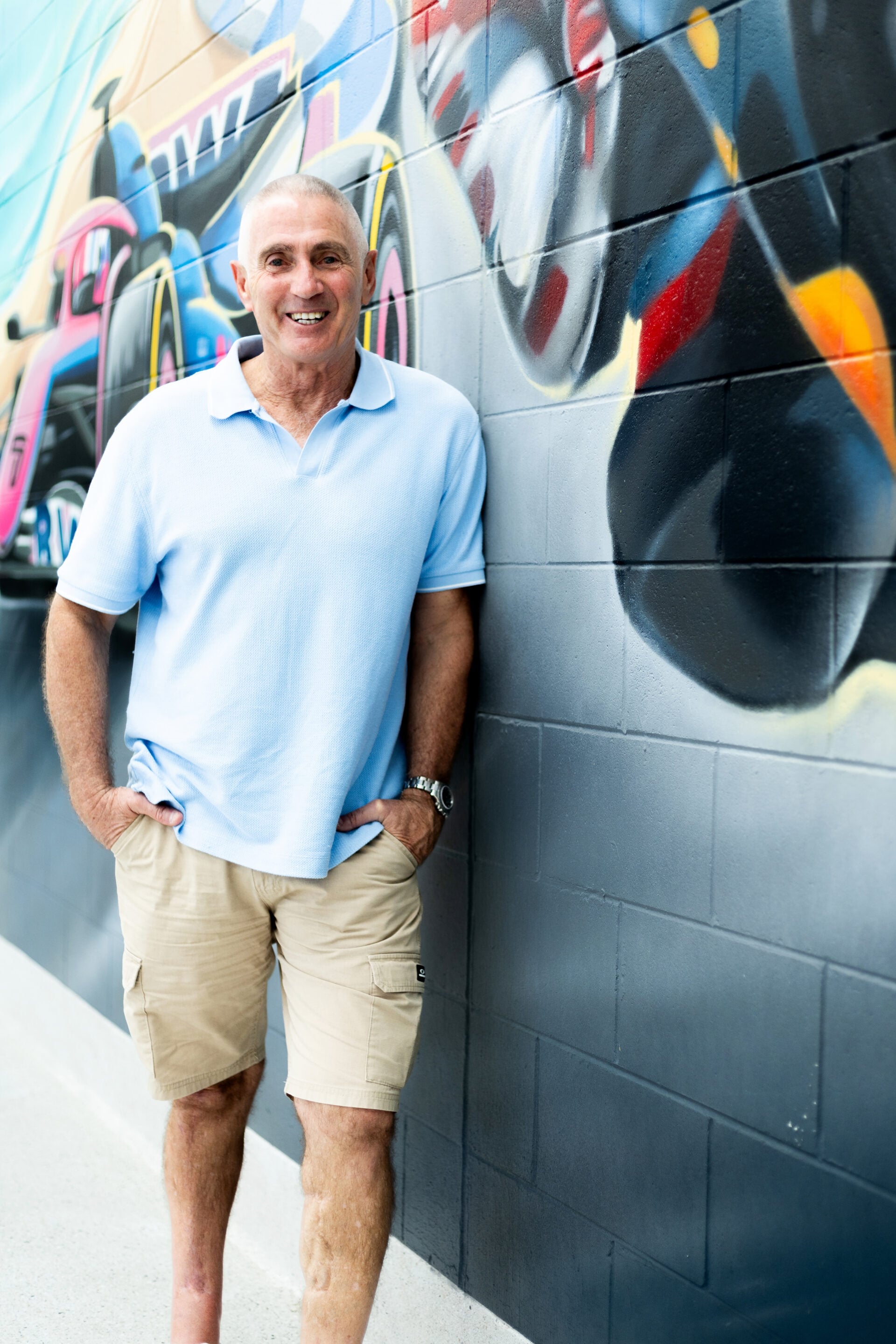
What came next was predictable for anyone who had seen Team Doohan in action.
“Like anyone in sport, when it’s been your profession, there is always a transition. But having good
people around me, I was always aware that I had to plan for an exit.
“I had some stuff going on here and also in Europe, because that’s where we were residing predominantly in the mid to late 2000s.”
So, what does winning look like in 2025?
“I’m just a businessman,” he says. “But it depends how you want to clarify a businessman. I’m very focussed on what we do, which is investment and aviation. But my occupation is more than just an investor.”
These days Doohan is a senior executive with Jetcraft, after buying into the international aviation powerhouse.
“I bought into the company years ago, but it’s been going for 62 years,” he explains. “It started in the US but is now based in the UK. There are sales, charter operations, managing aircraft here in Australia. We’ve got aircraft flying around the world. This year we’re on track to sell 190 corporate aircraft. We’re a global business. We’ve got about 130 staff. Thirty offices around the world.”
His passion for aviation is reflected in the scale models of helicopters and private jets dotted around his office. He can quote the specifications of all the front-line private jets, their range and running costs, as well as the prices. He talks about aircraft the way most people talk about cars.
“The aviation takes up a lot of time on what we do. And then there’s the investment group, which is run out of Brisbane. We have a company called City Finance, and I’m one of the investors in that.”
Doohan also owns FBO operations – it stands for Fixed Base Operator and covers fuel, parking and hangar space – at the Gold Coast and in Melbourne. He was once a certified jet pilot and owned a series of aircraft but has wound back a bit. He retains his helicopter licence and had been flying just a couple of days before the Wheels visit, although the giant hanger below his office is missing the Airbus helicopter which once filled the space.
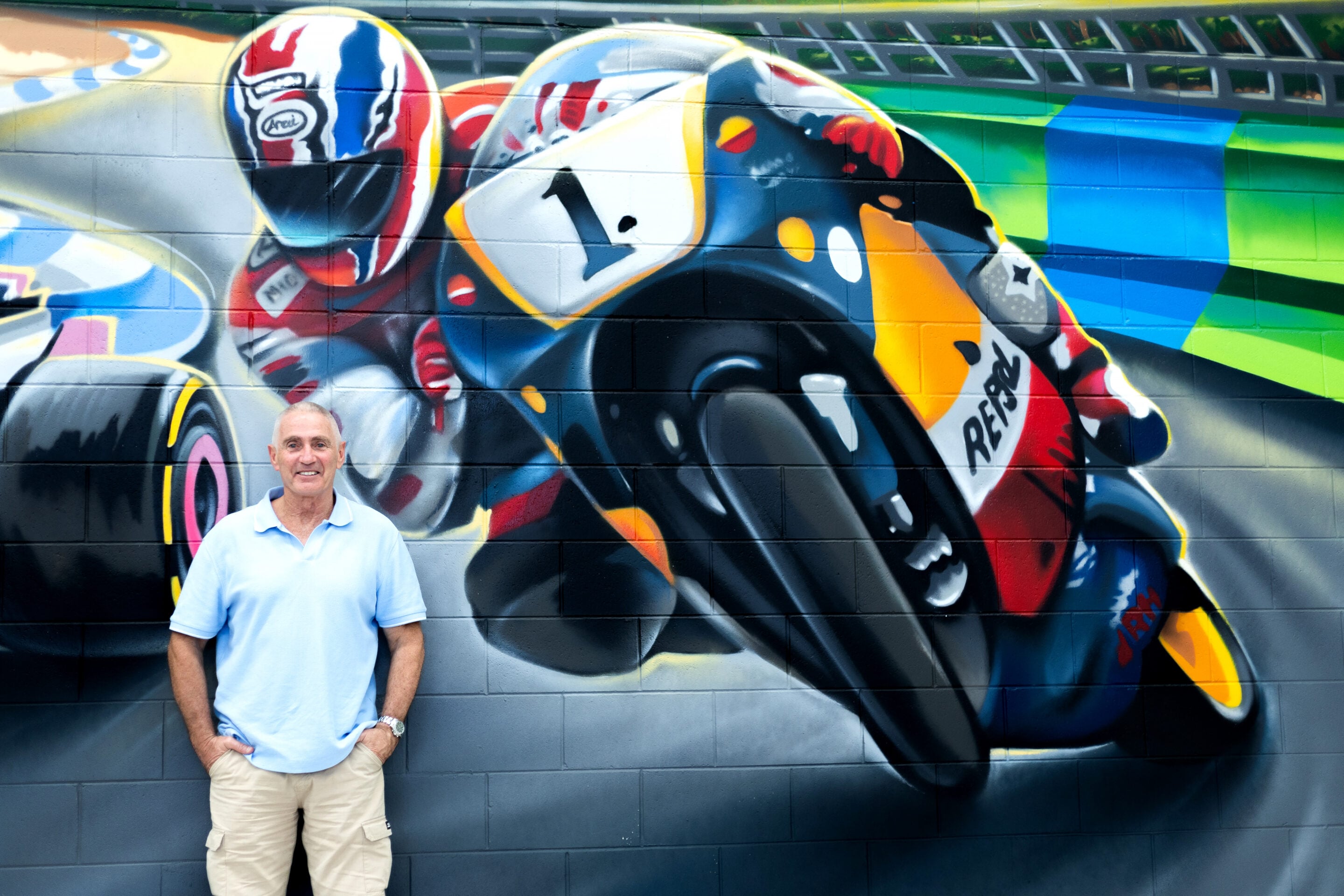
It’s now dominated by a giant mural painted on the back wall showing Mick and Jack in action. Mick is on his Honda 500cc GP bike and Jack is at the wheel of the Alpine F1 car he briefly raced. There are also go-karts and road bikes, as well as the cute Fiat 500 that Alexis used while learning to drive. Can he tell us anything about what’s happening with Jack (below)?

Doohan is reluctant to provide any detail, as rumours swirl in the F1 paddock that Jack will be the reserve driver for the Haas team in 2026 and could also be racing powerful single seaters in Super Formula, in Japan, to keep sharp.
“Jack is highly regarded within that industry. Unfortunately, there are only 20 seats in Formula One,” said Doohan. “He was a paid F1 driver with a three-year contract. Unfortunately, the leadership of the team changed and some other things changed.
“He’s fine. He knows he wasn’t ousted because of performance. He out-qualified Pierre Gasly in China in only his second race. He was already there. He just needed a bit more time, luck, and some mileage.”
Doohan said Jack’s long-term plan is still in motorsport, although when the subject of Supercars in Australia was raised, he quickly replied with “I wouldn’t think so”.
How does he rate his son?
“When you’re winning consistently… he put himself in that position. I’ll let the statistics write the story.”
One of Australia’s bona fide sporting legends, Doohan now seems in a fulfilling place leading dual lives in motorsport and business, in Australia and Europe.
His condominium in Monaco overlooks the start-finish straight and the harbour, and is a familiar home.
“Most of my adult life has been in and around Monaco,” he reflects. “I know everyone there, I know which restaurant to go to. If I’m in Europe that’s where I will be – I’m not a big fan of London.
“It [Monaco] is as central to everything today as it was when I was competing. You can go everywhere, and in the summer the motorsport is there, and in aviation, a lot of our clients are around. You’re much more connected with business.
“Here in Australia, you’re a lot more isolated. There are 17,000 corporate aircraft in the US but only 240 in Australia,” he said.
Doohan is still the master of the stare-down, and he uses it to answer – or avoid – questions about his friends, his business associates, and even his personal bucket list. But he fires up again when the talk returns to Jetcraft.
“We create opportunities for people, both selling and buying,” he says.
It all boils down to the same thing that took him to the top of MotoGP racing.
“We’re fully transparent. We never over-promise and under-deliver. We just don’t mess people around.
“It’s all about ‘How do we do this?’ and then getting the result.”
Driving the MY25 Nissan GT-R T-Spec in Japan feels like closing the final chapter of an automotive legend. It is, quite simply, the best-balanced R35 GT-R we’ve experienced – though it’s worth stating upfront that any GT-R remains a jaw-dropping machine.
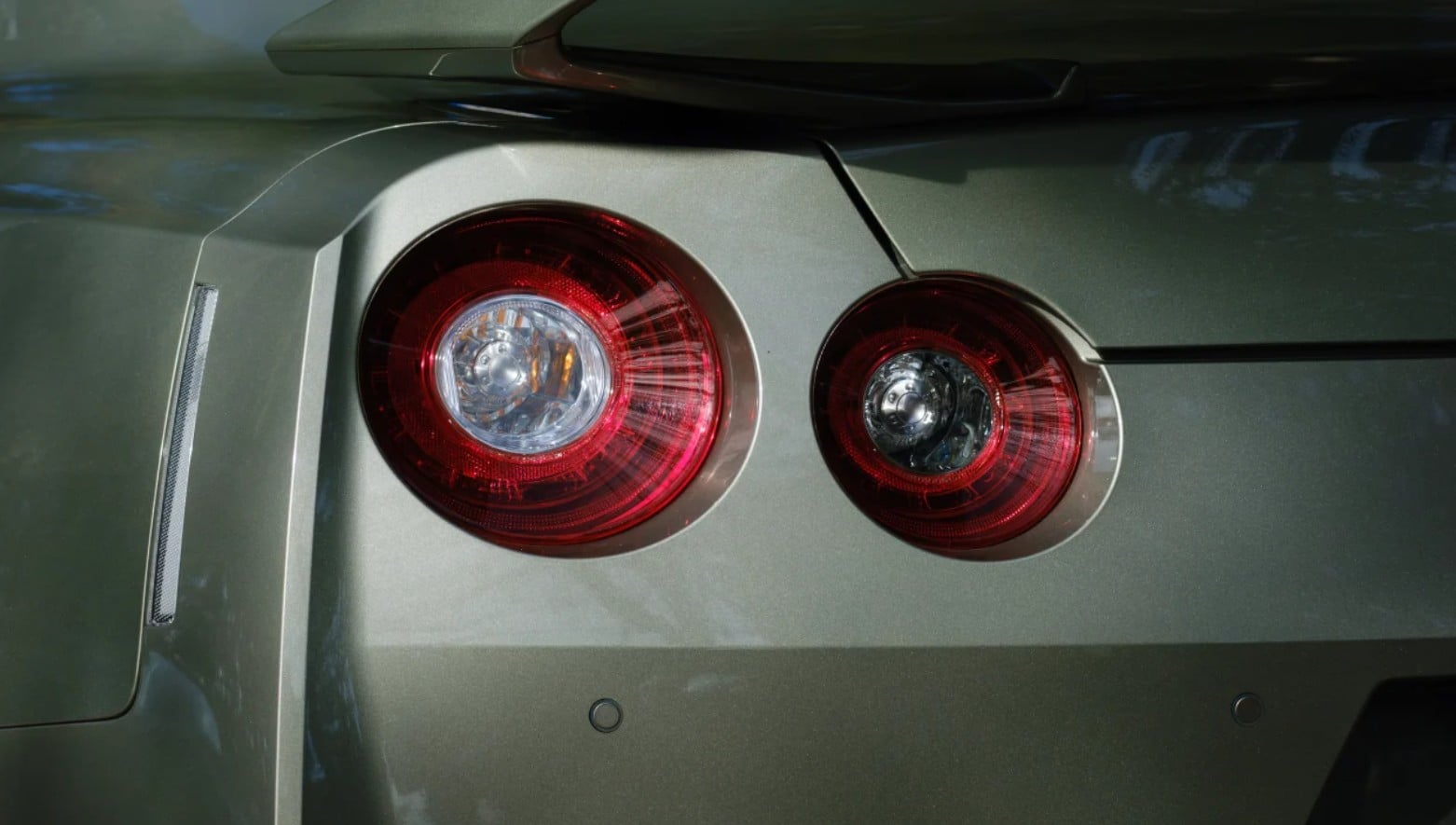
While the GT-R officially left the UK market in 2023 and Australia in 2021 (because of ADR 85), it continued on elsewhere, culminating in this final MY25 T-Spec. Finished in the iconic Millennium Jade with gold magnesium wheels, carbon-ceramic brakes and subtle 2025 visual tweaks, it’s a collector-grade send-off. More importantly, it represents the most rounded execution of Nissan’s super-sports icon.
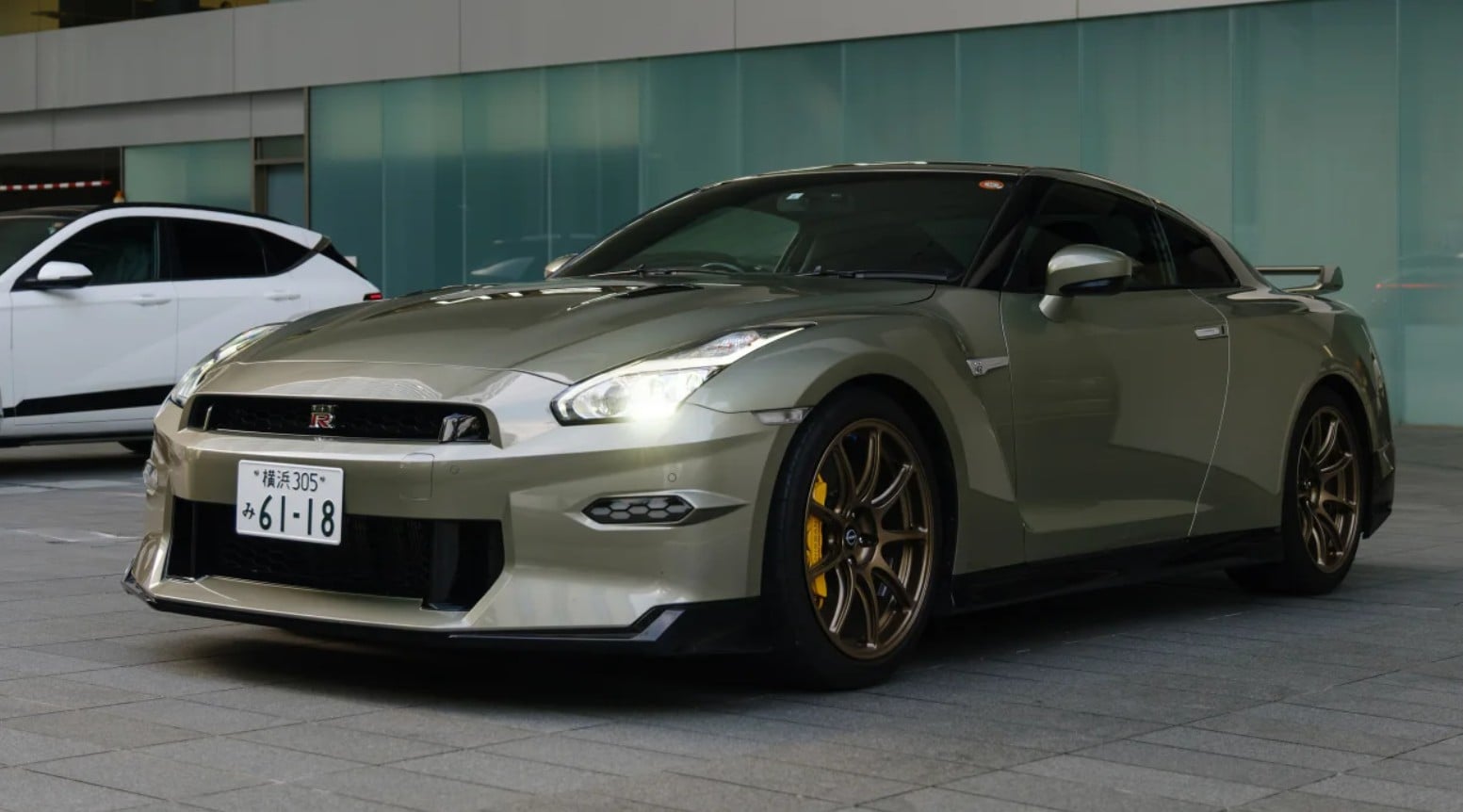
The GT-R story stretches back to the late 1960s as a high-performance offshoot of the Skyline, but its modern mythology was forged in 1989 with the R32. Built during Japan’s “gentleman’s agreement” era, its twin-turbo straight-six officially claimed around 206kW, though reality suggested much more. With all-wheel drive, space for four and supercar-slaying pace, it earned the name “Godzilla” and rattled Europe’s performance elite.
When the R35 arrived in 2007, Nissan tore up the rulebook. The Skyline link was severed, and the GT-R became a bespoke machine from the ground up. Its front-mounted twin-turbo V6 – initially producing around 353kW – fed an astonishingly complex all-wheel-drive system via a rear-mounted dual-clutch transaxle. Active differentials and a second driveshaft completed a drivetrain that looked absurd on paper but devastating on road and track.
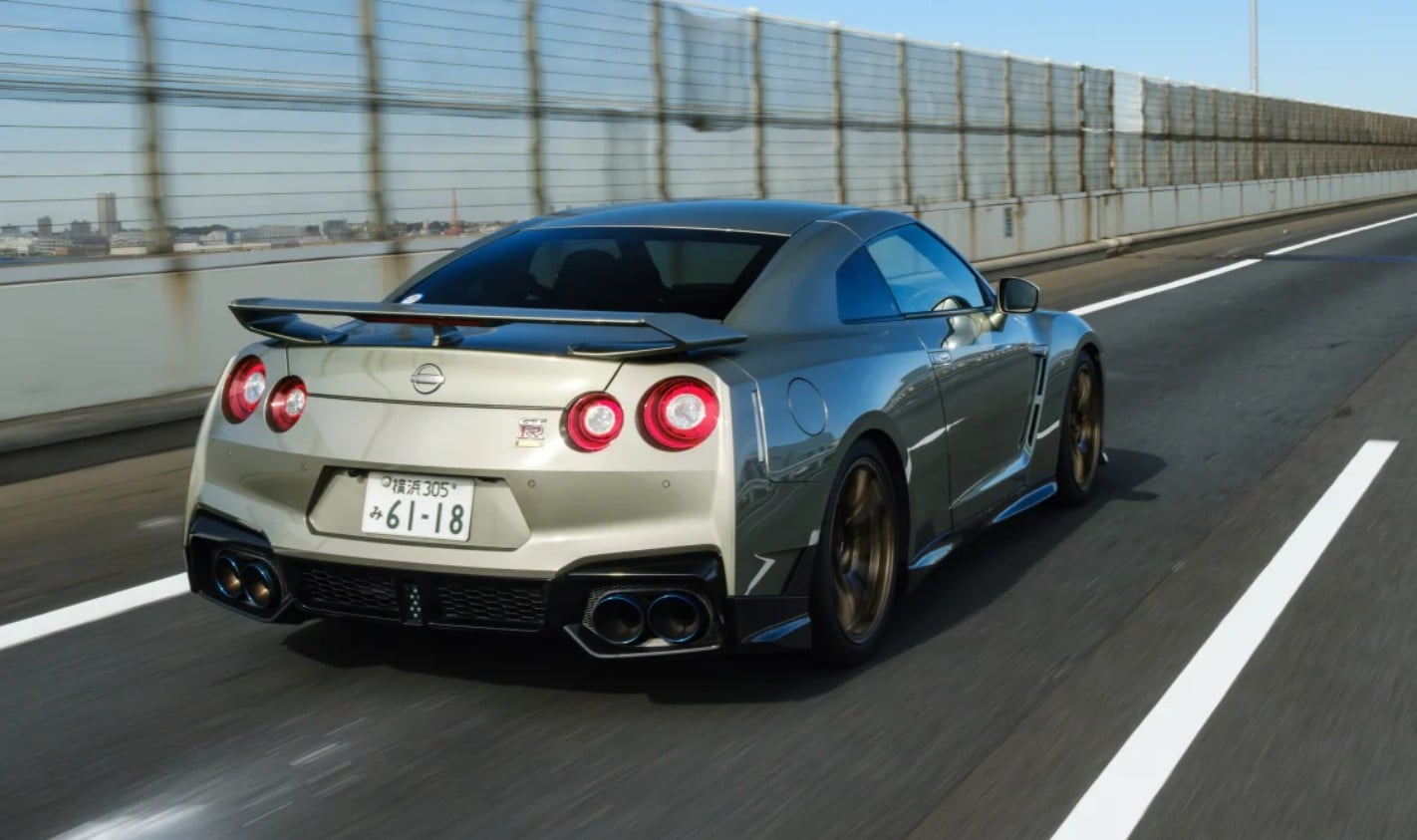
Over an 18-year lifespan, the R35 evolved through countless updates, Track Pack editions and hardcore Nismo variants pushing as much as 441kW. The MY25 T-Spec sits just below that summit, combining key Nismo hardware with a more forgiving setup. Output is rated at around 419kW, with kerb weight at 1760kg.
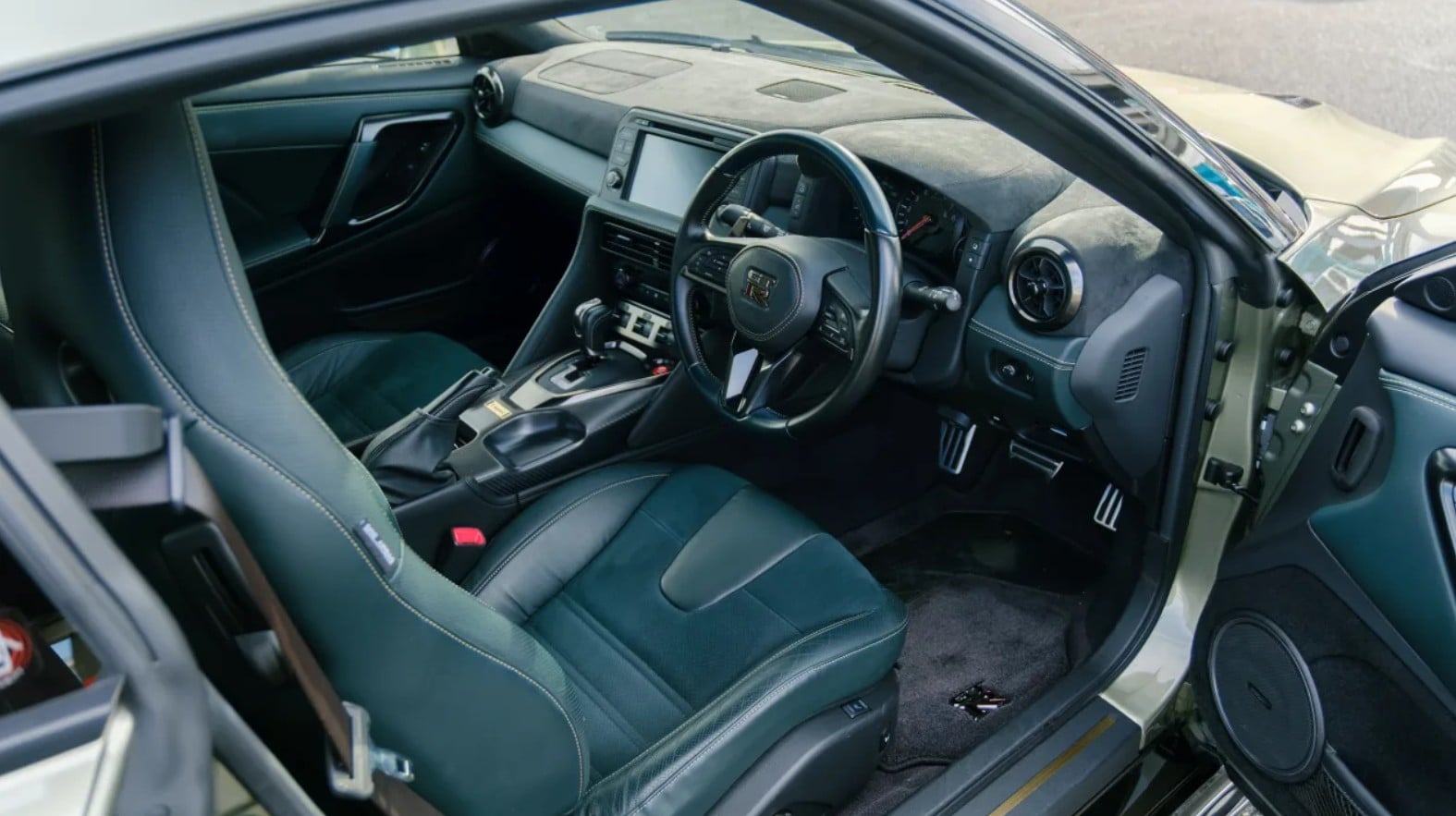
Inside, the GT-R is instantly familiar: the towering central rev counter, physical handbrake, mechanical gear selector and trio of drivetrain switches are reminders of its late-2000s origins. Yet that analogue feel is part of its charm. This is no softly polished modern performance car.
On the move, it’s anything but sanitised. From Nissan’s Yokohama HQ to the mountain roads near Nagoya and Osaka, the GT-R feels alive, demanding commitment. Turbo lag exists, but once boost arrives the acceleration is immense and deeply physical. The steering, slightly heavy at low speeds, comes alive at pace, communicating grip levels that feel almost limitless on warm Toyo rubber.
Rain later revealed the T-Spec’s true brilliance. With a few extra throttle liberties, the rear-biased all-wheel drive allows controlled oversteer, delivering excitement without intimidation. Crucially, the suspension tuning is the revelation here. Gone is the brittle edge of earlier R35s; in its place is a fluid, controlled ride that remains composed even on rougher roads. It’s still ferociously capable, but now genuinely usable.
As Nissan looks toward an uncertain electrified future, the GT-R’s absence looms large. A successor remains undefined, yet driving this final R35 is a reminder of why the name matters – not just to enthusiasts, but to Nissan itself. The GT-R is legacy made metal. Let’s hope Nissan remembers that.
The influx of new brands and new models to Australian shores in 2025 alone has been astounding. Seemingly every day, there’s a new model to memorise and research, so much so that you wonder how such a relatively small market can sustain so many offerings.
But while there are new models in the market, there have also been casualties with at least 10 pulled from sale in 2025. Here are the ones we’ll miss the most:
Mazda6
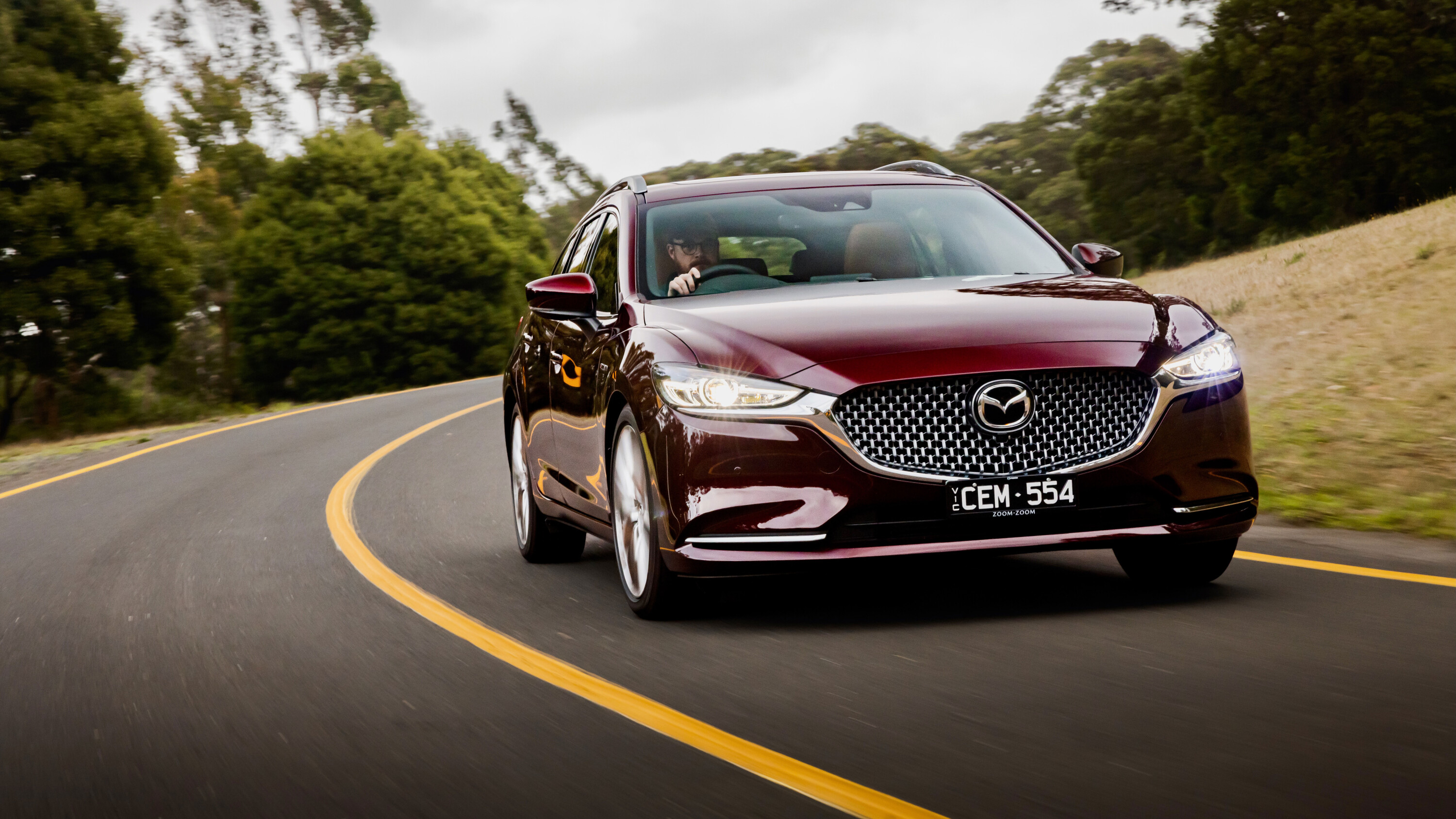
Why it died: It came to the end of its 13-year life cycle amid low sedan sales globally, meaning that developing a true replacement was too costly.
Replacement: The 6e electric sedan, which is due in Australia in 2026.
Why we’ll miss it: It was one of the best mid-size sedans/wagons over its three-generation career.
Produced since 2002, the Mazda6 was one of the best mid-size sedans/wagons/liftbacks (the latter only in the first and second generation) on the market in its three generations. One of the first products under Mazda’s then-new “Zoom-Zoom” marketing that revitalised the brand, the Mazda6 was sportier and more fun to drive than many of its competitors, and was also a handsome and practical car. The third-generation model lived since 2012 and with competitors falling by the wayside, Mazda kept it going as long as it could before eventually pulling it from Australia in 2025.
Mitsubishi Pajero Sport and Eclipse Cross

Why it died: Meeting new Australian Design Rules (ADRs) for autonomous emergency braking systems was likely too costly, plus both were long in the tooth.
Replacement: Nothing directly just yet, though a new Pajero Sport-like SUV has been spied multiple times and there’s a new – fully electric – Eclipse Cross for European markets based on the Renault Scenic E-Tech.
Why we’ll miss it: The Eclipse Cross PHEV was the cheapest of its kind and the Pajero Sport was a good value off-road SUV.
In today’s market, it seems crazy that a car maker would kill off any SUV, yet that’s what Mitsubishi was forced to do earlier in 2025 because its Pajero Sport, older ASX and Eclipse Cross, didn’t meet stricter Australian Design Rules (ADR 98/00) for autonomous emergency braking (AEB) systems and it was deemed financially unviable to re-engineer them, so they were culled. There is still stock of both models in Mitsubishi dealers as the cars were produced in 2024.
Porsche 718
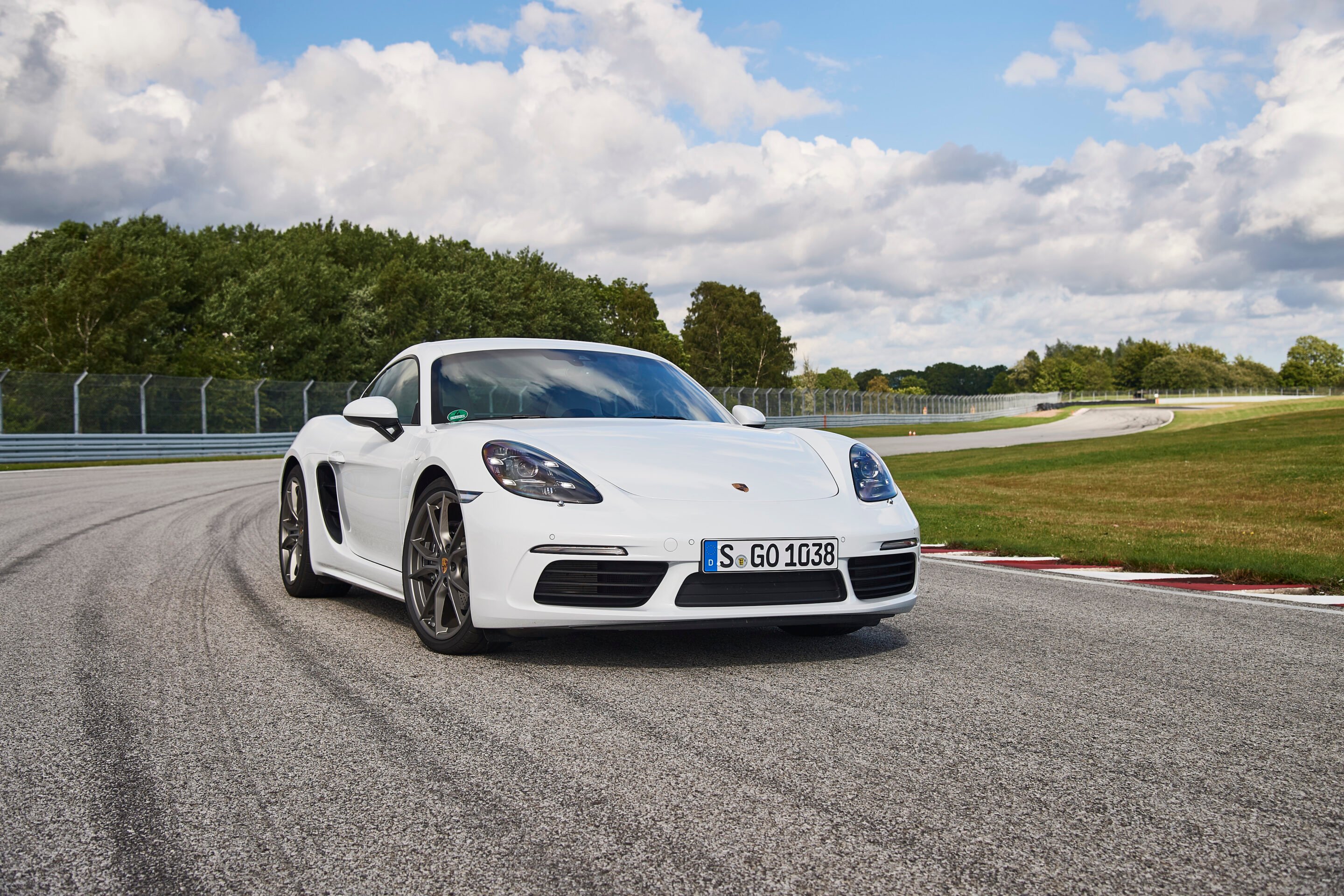
Why it died: New EU cybersecurity laws that made updating the 718’s existing platform too costly.
Replacement: A new generation model is reportedly due in the next few years… with electric power.
Why we’ll miss it: It’s a sublime sports car, no matter which model.
Production for the Porsche 718 Boxster roadster and Cayman coupe ended in October, officially thanks to new European Union cybersecurity laws. Sitting underneath the iconic 911 in the Porsche line-up, the Boxster and Cayman were still wonderful sports cars that, like the Cayenne SUV, helped save the company from extinction. A new generation model has been confirmed for 2027 (maybe), but in a loss for enthusiasts, it’ll include electric power for the first time.
Volvo S60/V60

Why it died: Australia’s appetite for SUVs meant low sales.
Replacement: None, though some could argue the Polestar 2 is a good S60 replacement.
Why we’ll miss it: The S60 was an fantastic luxury mid-size sedan and the V60 was one of the few remaining wagons.
One of the few remaining mid-size cars on the market, the Volvo S60 sedan and V60 wagon were excellent products. The S60 was launched locally way back in 2001, while the V60 was added in 2011 when the second-generation S60 went on sale. Both took the fight to the big German three but their sales were never in the same league, unfortunately, and the axe fell on both in Australia earlier this year. They’re still produced for global markets, but given how popular SUVs are now, we aren’t sure how much longer they’ve got left in them. A big, big shame.
Toyota GR Supra
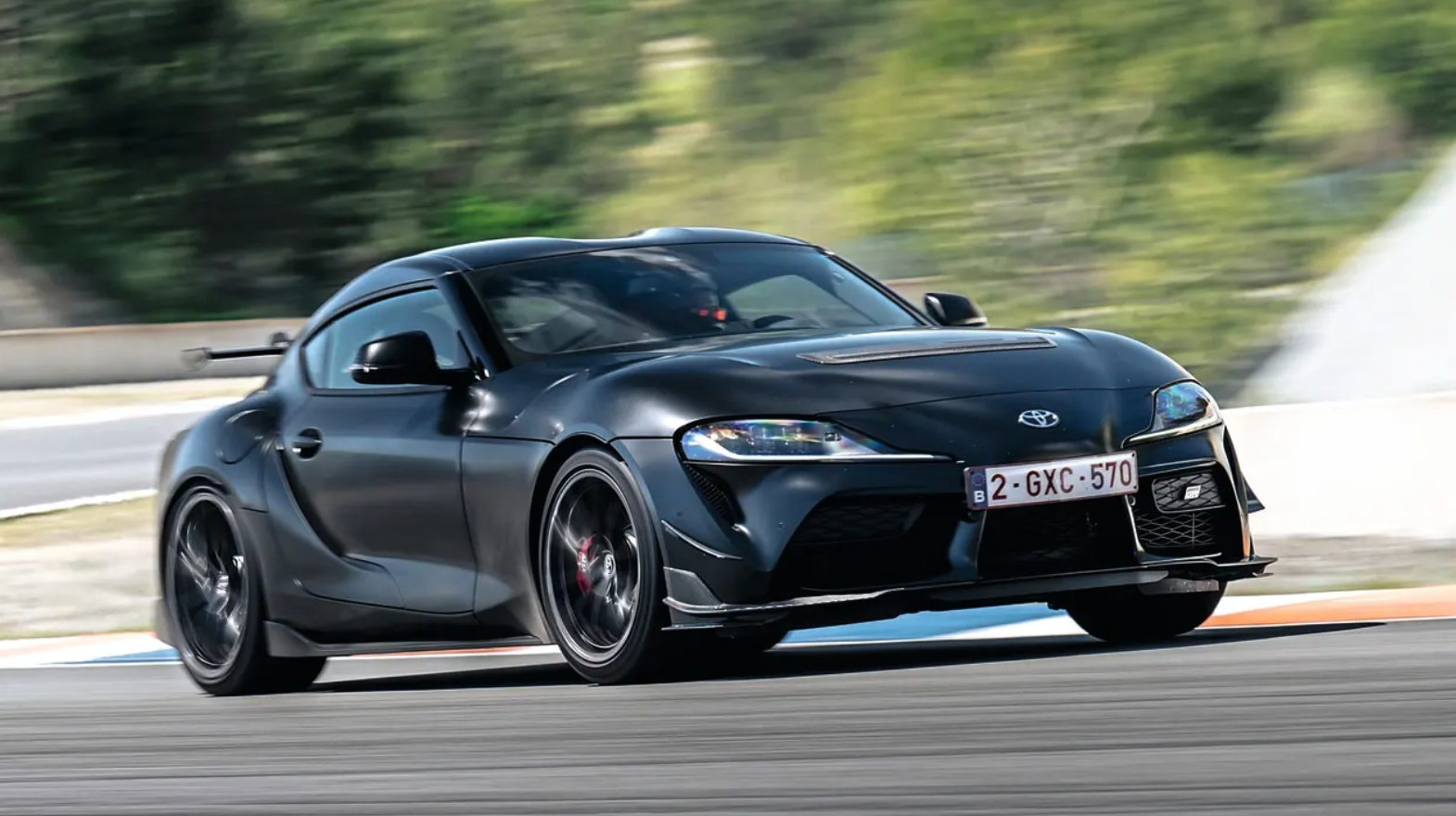
Why it died: It came to the end of its life cycle and the end of a deal with BMW means that both it and the Z4 roadster will end production soon.
Replacement: Nothing confirmed yet, though a new all-Toyota replacement is likely in the next few years.
Why we’ll miss it: It was a fantastic sports car.
The Toyota Supra is a legendary sports car that first appeared in 1978. Originally just a longer version of the Celica, the Supra morphed into a high-performance sports car in its latest fifth-generation form that was launched in 2019 after a 17-year gap. But this time, the Supra wasn’t a Toyota-led project, instead using the same platform and engines as the BMW Z4, and being built in Austria. That didn’t stop it from being a great car: it was very quick, handled well and looked great.
Volkswagen Tiguan Allspace
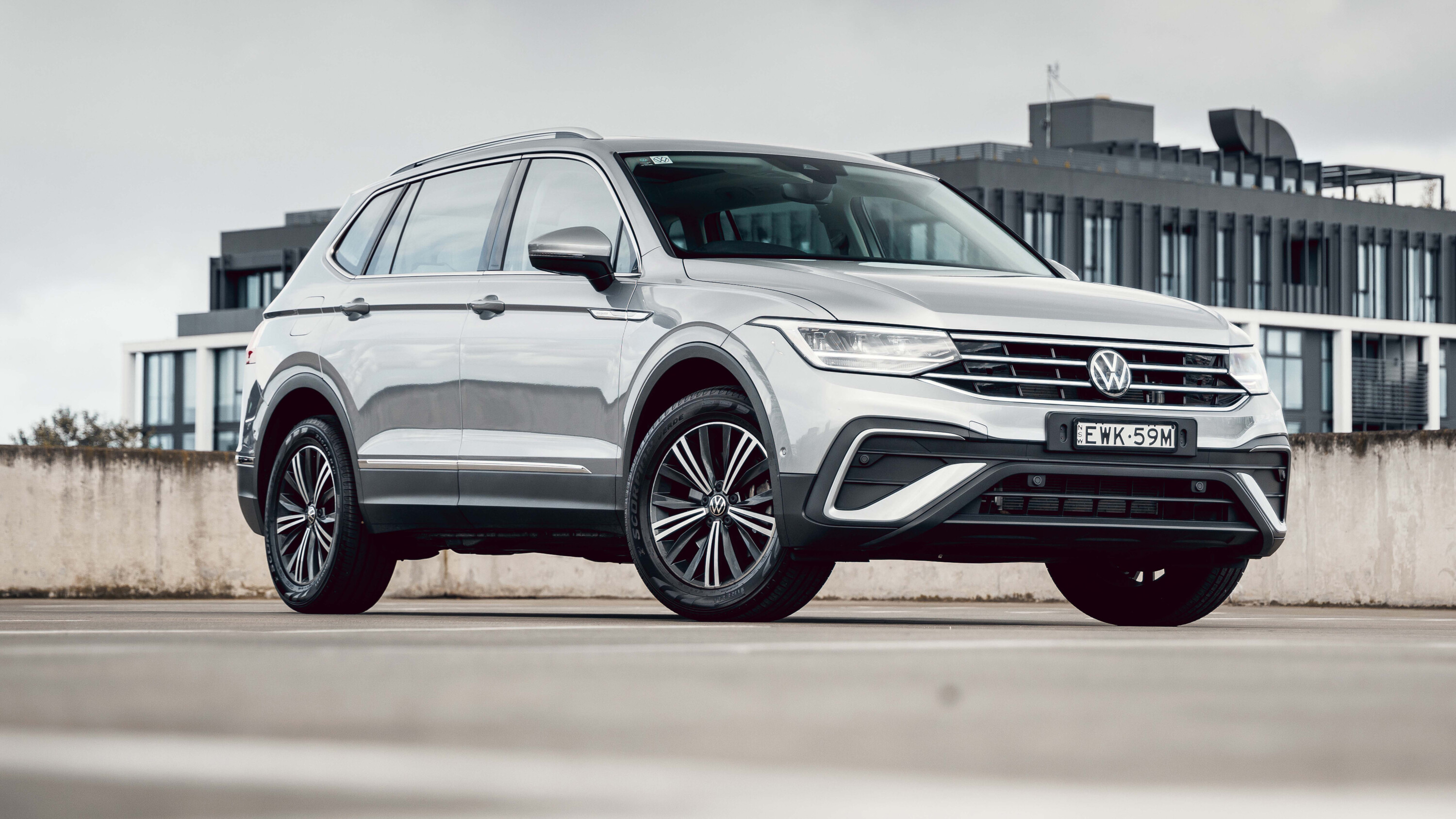
Why it died: A new generation Tiguan arrived.
Replacement: The Tayron, which is the same concept but based on the new Tiguan instead.
Why we’ll miss it: It was a good all-rounder for those who didn’t need a massive seven-seater SUV, and was properly cheap at the end of its life.
The Volkswagen Tiguan Allspace, the extended-wheelbase five/seven-seat version of the Tiguan mid-size SUV, went on sale in Australia in 2018. Produced in Mexico, unlike the German-made Tiguan, the Allspace was good value for money throughout its life cycle. Its value equation and attractive sizing made it popular, especially during the Covid-19 pandemic (and the chip shortage that resulted from it) when it was the only Tiguan available in short notice in Australia. Alas, 2025 was its last year and the Tayron – which is the same concept but with a different name – is now in showrooms instead.
Toyota Granvia
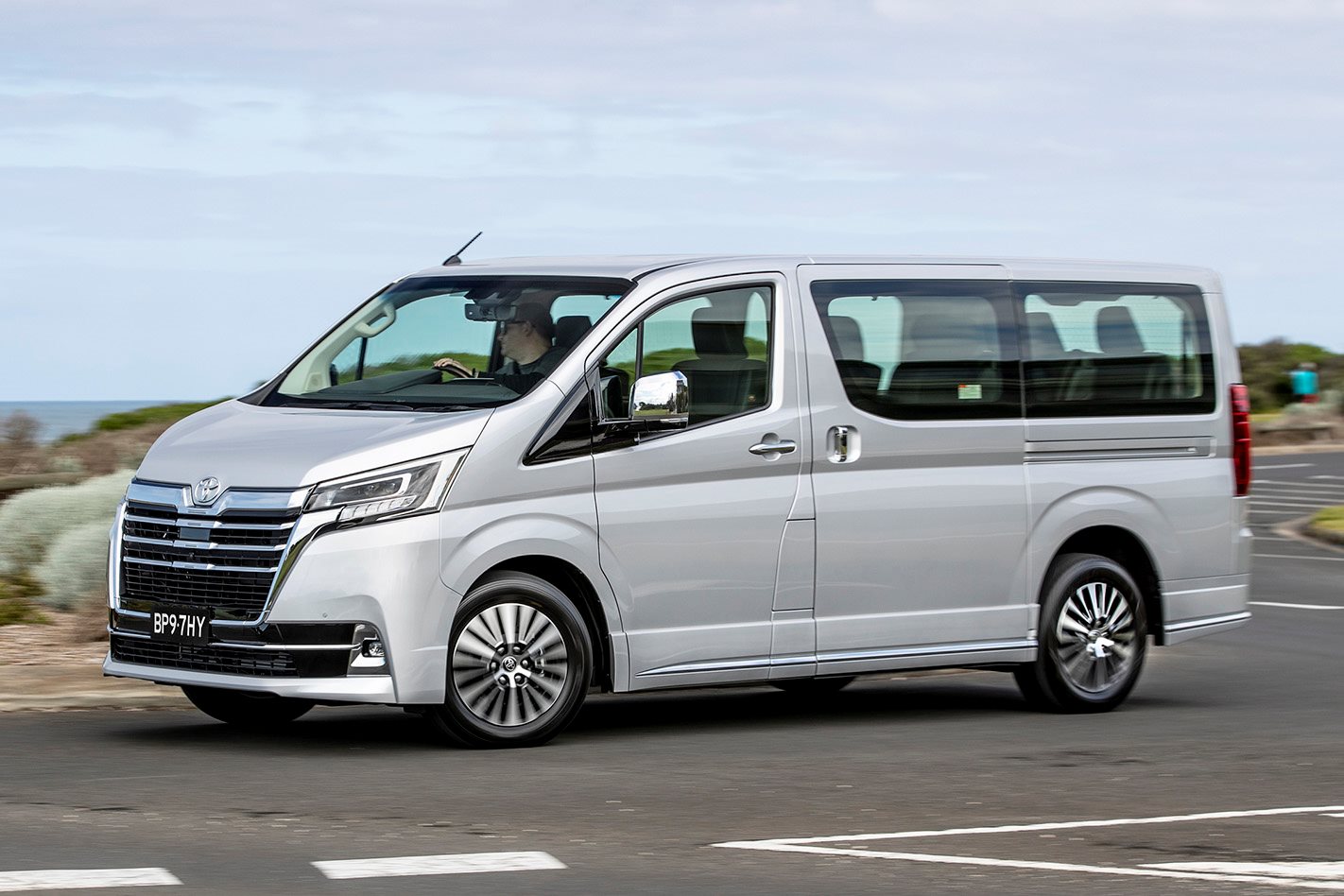
Why it died: Very slow sales.
Replacement: None, though Toyota would argue cars like the Prado fill its place in the line-up.
Why we’ll miss it: Honestly, we won’t. The Granvia was no Tarago replacement.
The Toyota Tarago people mover was a legendary product in Australia and over its almost-40 year career locally, the brand sold over 100,000 units. The company expected similar things for its replacement, the Granvia, but only around 1000 units of it were sold during its six-year run. Perhaps it was because the Granvia was really just a more upmarket HiAce Commuter van, or that the Kia Carnival steals the vast majority of the people mover sales in Australia, but the Granvia was a rare failure from Toyota’s local division.
Hyundai i30 hatchback
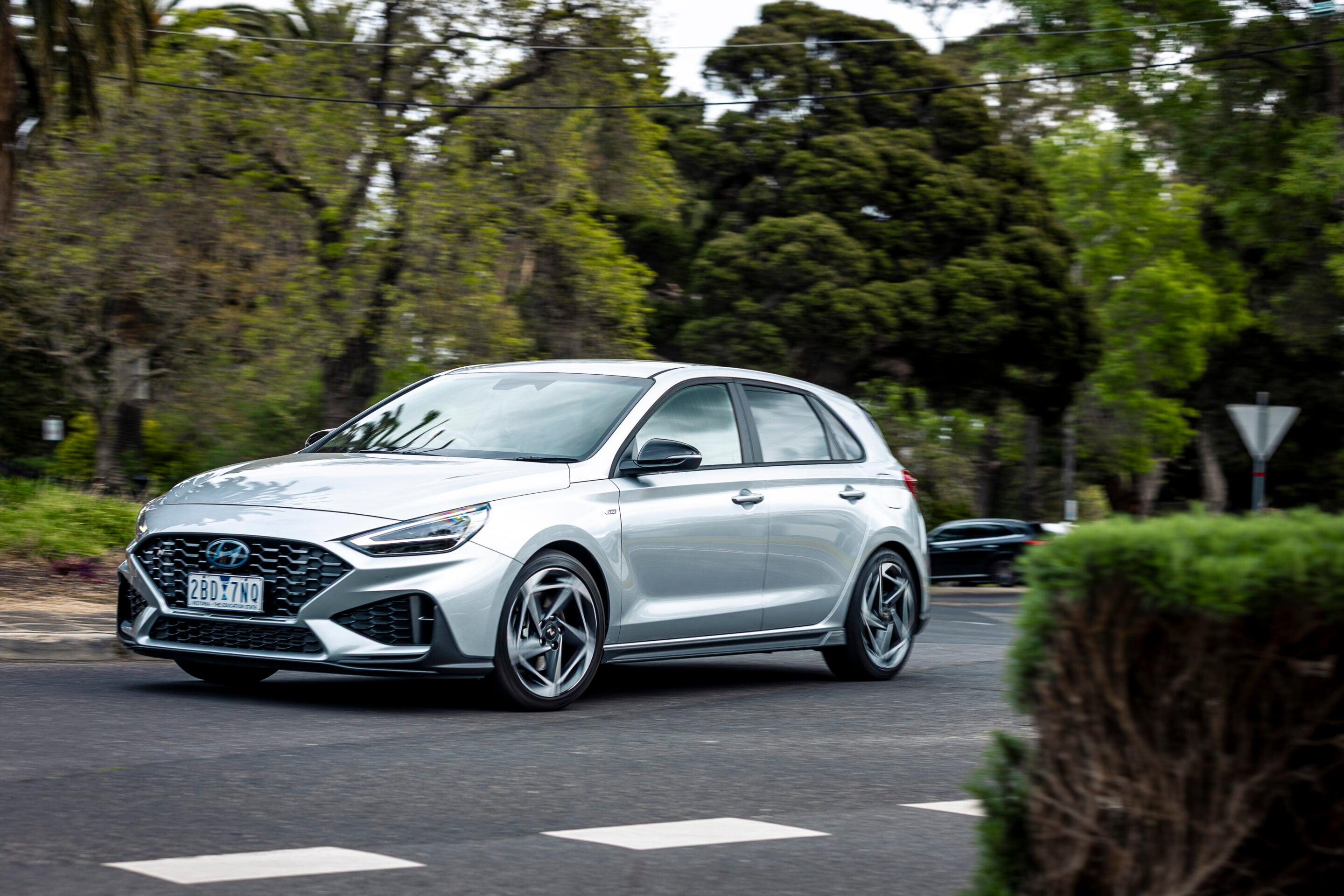
Why it died: A number of factors, but mostly that Hyundai switched production from South Korea to the Czech Republic, pushing up the cost significantly.
Replacement: The i30 sedan is still available, as is the i30 N hatchback.
Why we’ll miss it: It’s yet another small hatchback death.
The i30 is the car that really propelled the Hyundai brand when it was launched way back in 2006. Aimed at Europe, it was a well-rounded small hatchback that won the hearts of thousands of Australians – over 20,000 were sold locally in 2022 alone, for example. Yet thanks to a number of factors, the i30 hatchback has been discontinued for Australia, with the sedan and i30 N hot hatch carrying the nameplate on, which is a massive disappointment.
MG ZS EV
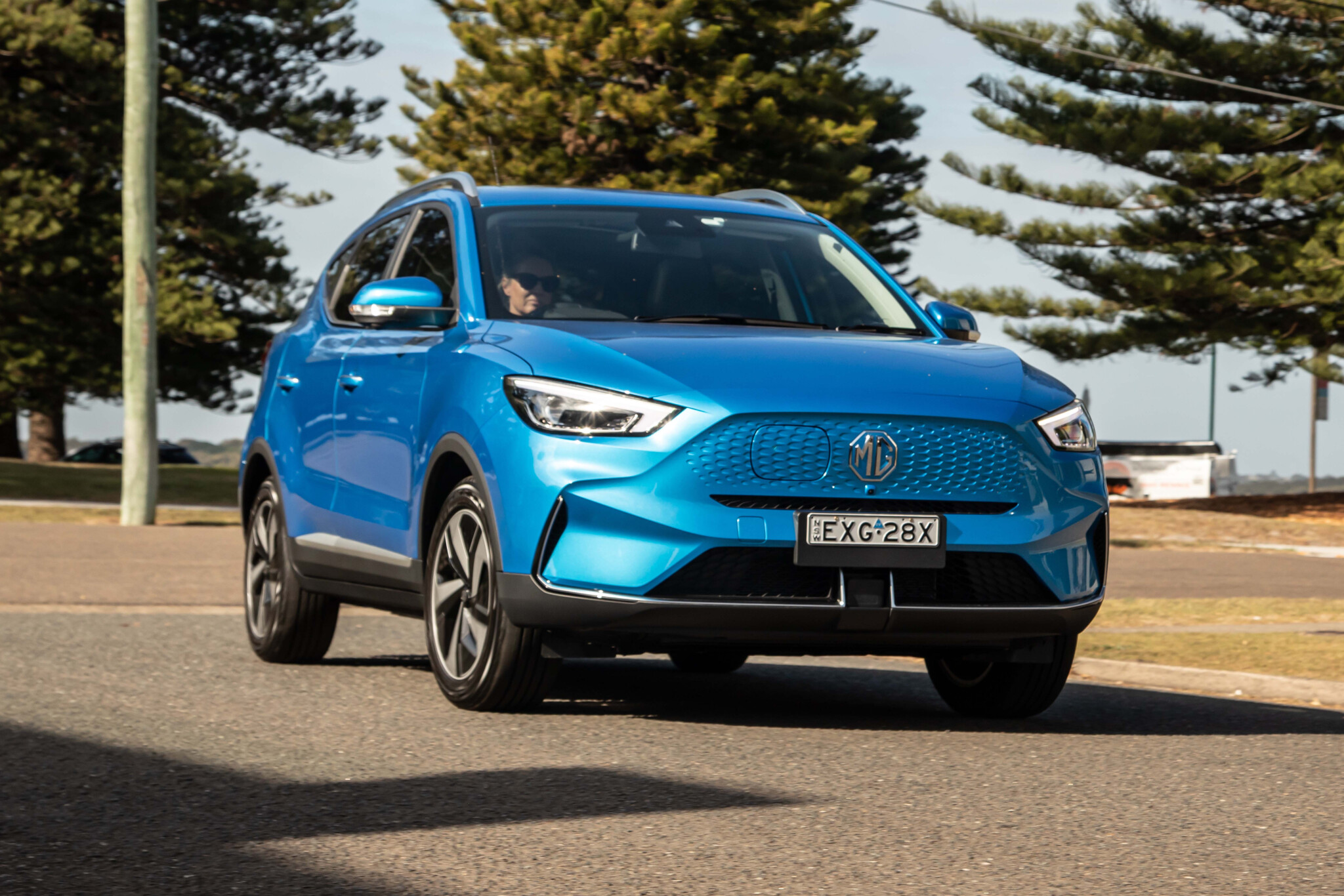
Why it died: It was replaced by a new model.
Replacement: The excellent MGS5 EV.
Why we’ll miss it: We won’t as the S5 is far superior.
The MG ZS EV is not a car you’re likely to be familiar with, as it wasn’t the biggest seller (at least in electric form) but it’s an important car for MG because it was the brand’s first electric vehicle sold in Australia and it was the cheapest EV available at the time. It went on sale locally in 2020 priced from $40,990 plus on-road costs and gave a reasonable 263km of WLTP range. It was updated with new styling, more features and more range, and was replaced by the – far superior – MGS5 EV in early 2025.
Ford Focus (globally)
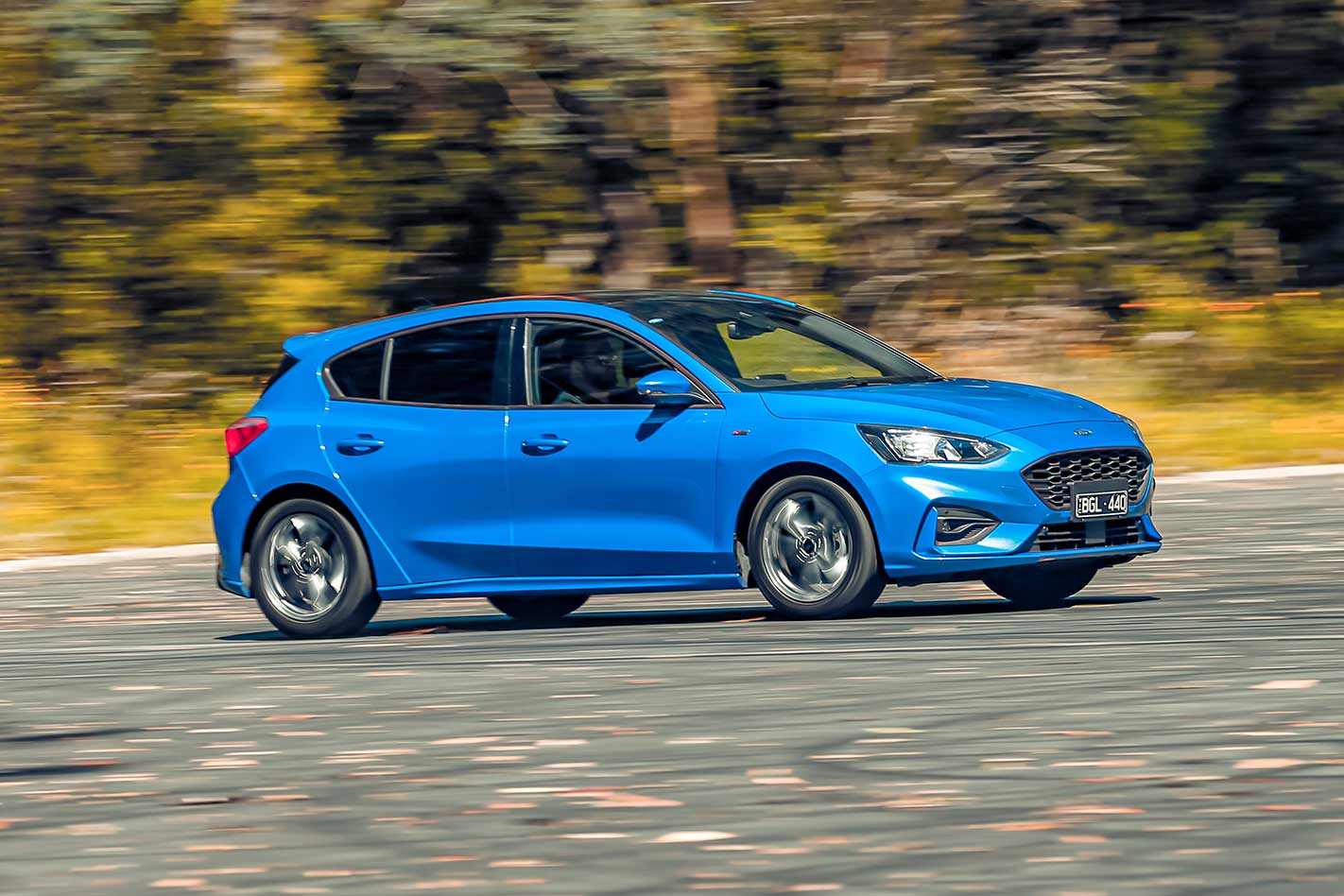
Why it died: Not sure about this one. Likely SUV sales, but the Focus still sold strongly in Europe until its death…
Replacement: Nothing, though a new small SUV is rumoured.
Why we’ll miss it: Yet another small hatchback death but also, yet another death of a fun, affordable car.
Though it left Australian shores back in 2022, 2025 marked the final year of production for the iconic Ford Focus, a death that enthusiasts are still reeling from. The Focus was a practical hatchback that drove like a sports car, with a wonderful ride and handling balance that put many far more expensive cars to shame. Various hot versions were produced, such as the ST and RS, but even the base model cars were a riot from behind the wheel. Alas, Ford decided to kill it globally with production ending a few weeks ago with no direct replacement in sight.
